The topic The Googlebook could finally bring Linux to mainstream users, if Google gets out of… is currently the subject of lively discussion — readers and analysts are keeping a close eye on developments.
This is taking place in a dynamic environment: companies’ decisions and competitors’ reactions can quickly change the picture.
Linux has never been a mainstream option when it comes to operating systems, but the platform has been experiencing something of a surge in recent years, thanks in big part to the Steam Deck, which propped up Linux as a great platform for PC gaming. And things have been building up more and more, but Linux is still not a big enough platform to earn mainstream support from developers and publishers.
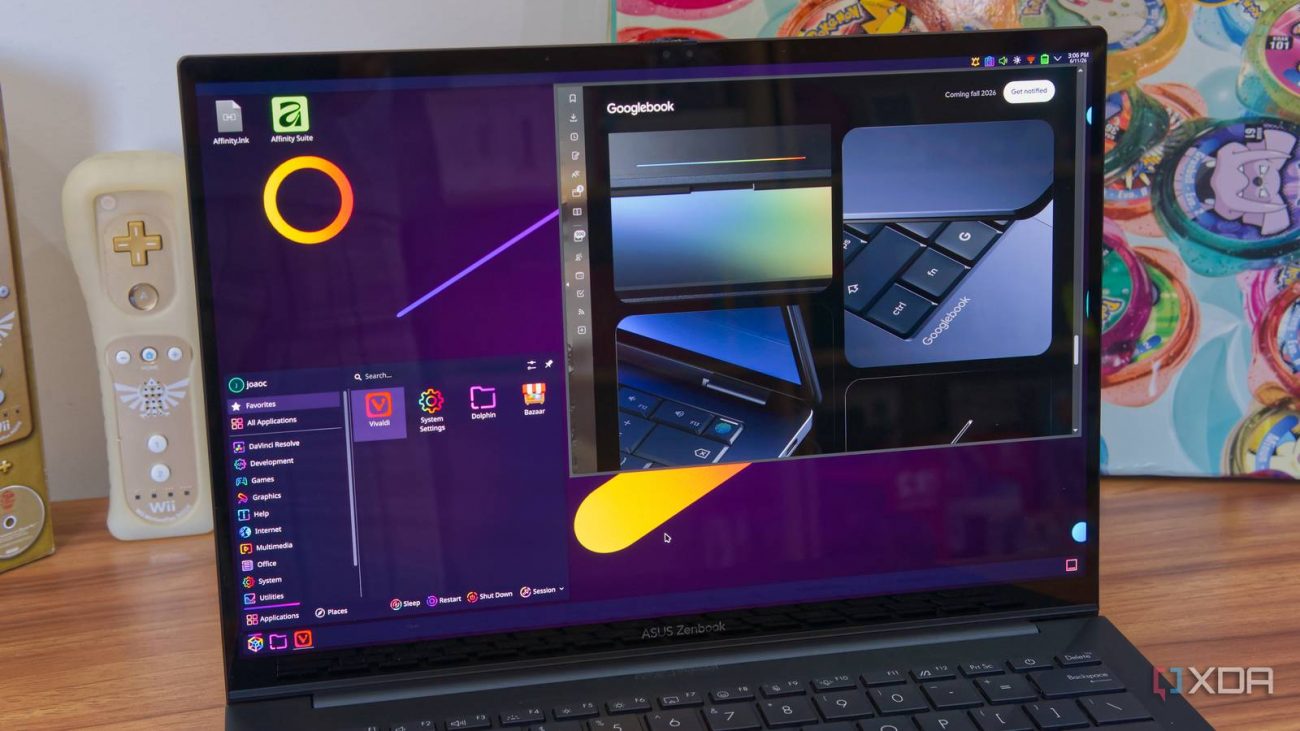
But with Google’s recently-announced Googlebook, Linux could push even further into the mainstream audience… if only Google can swallow its pride and embrace Linux. Realistically, this would benefit everyone.
Linux may be a great platform in many ways, and I love it myself, but there’s no denying that very few people would be interested in giving it a shot if it wasn’t for SteamOS and the Steam Deck. When that device came out with Valve’s software experience, it showed that Linux can be not only just as good as Windows for gaming, but even better. The gaming UI was the big focus, but the Steam Deck also makes for a great desktop, and it kind of eases you into that experience by using the gaming UI first.
But this was only possible thanks to Valve’s efforts in not only developing a software frontend for gaming, but also in making the gaming experience itself much better on Linux. The company spent years before the Steam Deck came out investing in Proton, its real-time translation layer that enabled Windows games to run on the Steam Deck at near-native performance.
Valve was able to do that because it has a lot of money and it can increase its revenue further by selling its own hardware and more games on Steam for Linux users. Not a lot of companies have that kind of money or that kind of incentive to put effort into making Linux better. But Google has both. It arguably has more money than any other company in the world, and it could directly benefit from investing in Linux.
The freedom of choice and the flexibility of Linux are a big part of what makes the platform so great, but they’re also what holds it back from mainstream popularity. There are dozens of different Linux distros out there, and numerous package managers that aren’t easily compatible with each other. Developing apps for Linux is hard because not only is the overall audience fairly small, but to cater to all of it, developers may need to package apps in a wide range of different ways. So, not only is it possible that many apps don’t support Linux in the first place, installing them can be more difficult than necessary.
A Googlebook that embraces Linux could improve all of this. For one thing, Google could push for some sort of unity around what platform developers should target for publishing. Even if they’re not big market hits, Googlebooks would easily be the best-selling Linux PCs for consumers, so whatever Google ends up supporting would likely gain a lot of traction as a standard. Ideally, the company would throw its weight behind a package manager like Flatpak, which is already widely supported in other Linux distros. This would almost certainly result in a lot of official apps hitting the platform, especially if Google puts some of its money to use to bring more support to its Googlebooks.
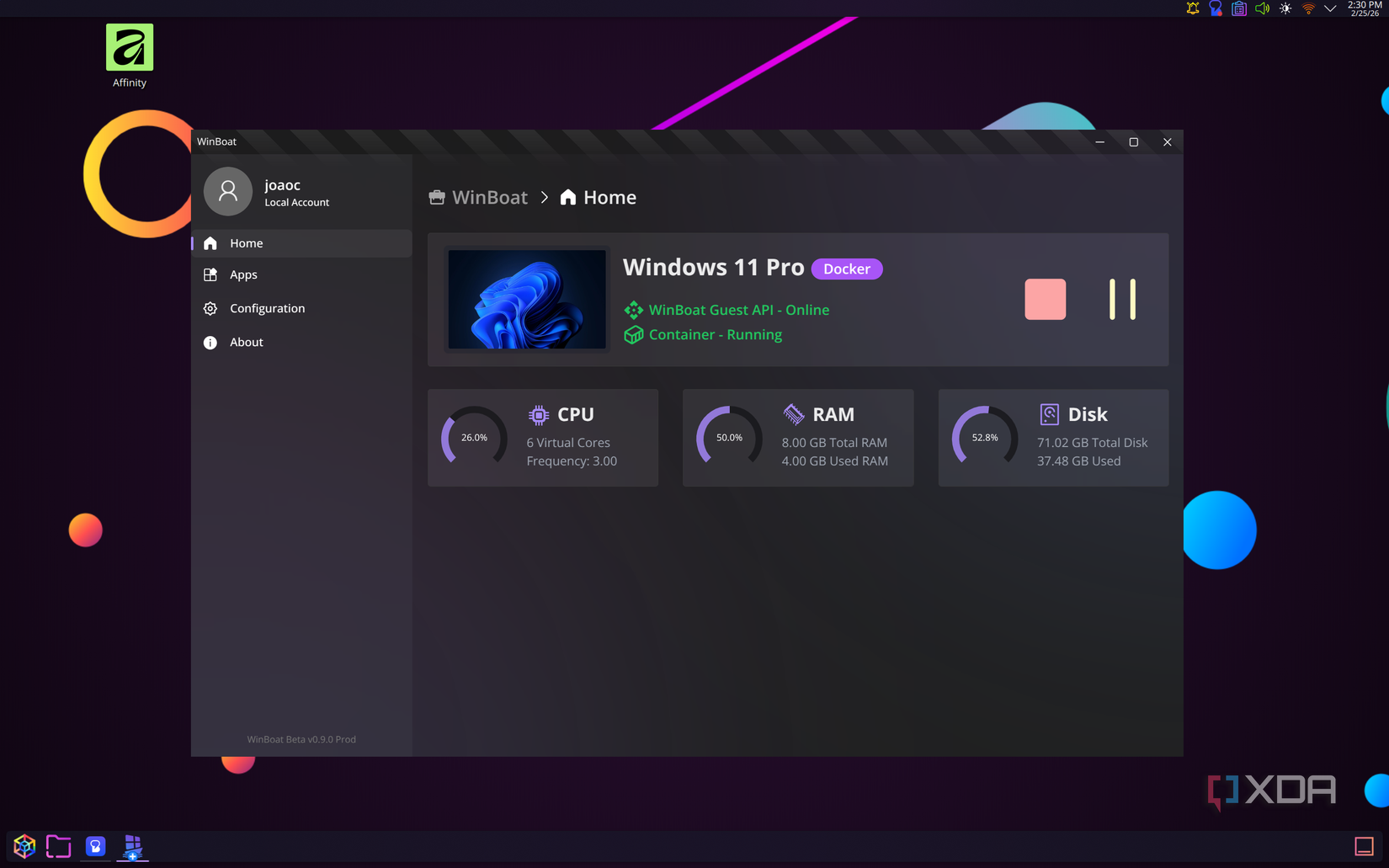
Google could also invest money in solutions like WinBoat or Looking Glass, or even Wine. It would be impossible for every Windows app to be ported to Linux in the near future, but if Google wants to put money into its PC platform, adding a way to run Windows apps on Linux with better performance would be huge. WinBoat already provides a great solution for this, and the Looking Glass project has done some admirable work in adding support for GPU passthrough, so all Google needs to do is help speed things up to make these tools more reliable and accessible to regular users.
These are things that would hugely benefit the entire Linux community, and help said community grow. Google has the resources to do it, and it could gain a lot from it as well.
The Googlebook isn’t Google’s first foray into computers, and in fact, the company’s Chromebooks have achieved a moderate level of success among younger students and the schools they attend. Chromebooks are great if you just need web-based tools, and more modern ones can also run Android apps, greatly extending their capabilities.
However, for the typical PC users, this simply hasn’t been enough, and the appeal of Chromebooks is very limited. The Googlebook seems to want to change this by leaning heavily into AI and Google Gemini, but I strongly believe this is a failing strategy. Users are not buying PCs for the built-in AI capabilities, and I don’t believe Google can change that.
The real hurdle in Google’s path to success in the PC market is the ability to do things only PCs can really do. Running the desktop versions of Adobe Photoshop or Premiere, tools like Affinity, streaming tools like OBS, playing games from Steam. Users expect to be able to do these things on a laptop, and Chromebooks just can’t do it in the way users want. Those are things only a proper desktop platform can do, and that means Google needs Linux.
Chromebooks already let you install a Linux subsystem for running Linux apps, but this is considered a developer option, and it requires using the terminal to get started. The Googlebook needs to embrace Linux in a much more natural and integrated way. Have the terminal set up by default, but also include an app store with access to Flathub or whatever platform Google ends up using for Linux apps, so users can get proper apps like OBS, VLC media player, alternate web browsers, and so on. Give users a way to access real PC apps on the Googlebook, and it will instantly become a more viable competitor to Windows machines.
Embracing and supporting Linux truly feels like a win-win scenario for Google and Linux community as a whole. Google gets a PC platform that can actually use PC-level apps, and it benefits from having more of them due to the sheer popularity of its products. At the same time, it brings more developers to Linux, which benefits the entire ecosystem, including Google itself. It could create a positive feedback loop that helps the platform grow exponentially.
The real question is whether Google is ready to swallow its pride and admit that its in-house solutions and web-based Chrome “apps” aren’t enough for PC users to convert. And I fear the answer might be no. The company has spent many years trying to convince users that you don’t need the typical desktop tools because Chrome’s web apps can do everything you need, and embracing Linux could be seen as an admission that this approach isn’t good enough. Google wants to keep pushing its own solutions, especially when it knows so much of its business model relies on collecting and selling user data, which it can’t do as easily if users are leaning more heavily on Linux apps.
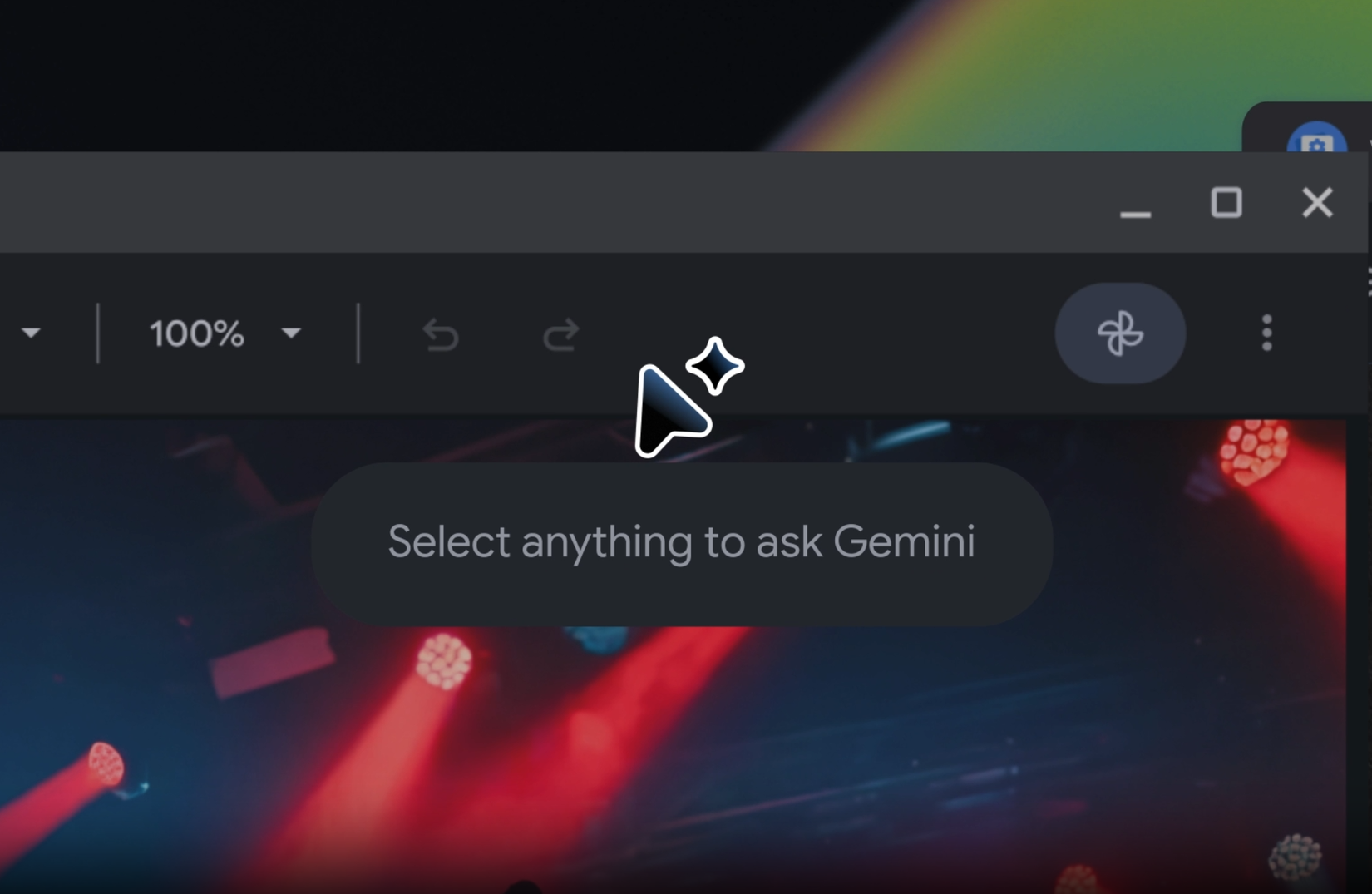
Still, I’d say the benefits outweigh the downsides here, and the Googlebook won’t achieve the level of popularity Google wants unless it can be a real PC. Web apps and Android apps haven’t made that happen, and neither will a pointless AI-powered cursor. But Linux could — and should — be the solution.
Chromebooks aren’t for everyone, but these features would make Windows so much better