The topic Your next song could soon carry an AI warning label, and the music industry is all… is currently the subject of lively discussion — readers and analysts are keeping a close eye on developments.
This is taking place in a dynamic environment: companies’ decisions and competitors’ reactions can quickly change the picture.
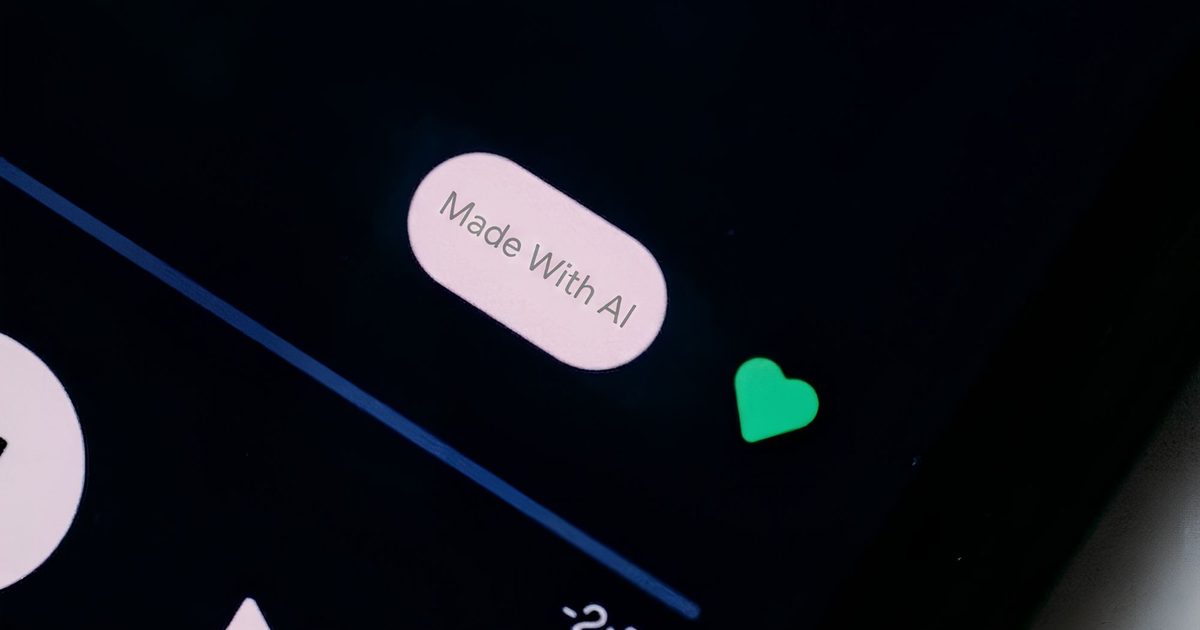
The music industry’s battle with artificial intelligence is entering a new phase. After spending the past two years fighting AI companies in court and pushing back against unauthorized training on copyrighted music, record labels are now turning their attention to something far simpler: transparency. A coalition representing major record labels, artists, and music organizations wants streaming services such as Spotify and Apple Music to clearly tell listeners when a song has been created with artificial intelligence.
The proposal, first reported by The Wall Street Journal, comes as AI-generated music becomes increasingly difficult to distinguish from songs created by human artists. Rather than banning AI music altogether, the industry is arguing that listeners deserve to know what they’re hearing before they hit play.

The initiative is being led by the Recording Industry Association of America (RIAA) and the International Federation of the Phonographic Industry (IFPI), alongside organizations including the Recording Academy (the Grammys), SAG-AFTRA, the American Association of Independent Music, and the Human Artistry Campaign. Together, they are proposing two separate labels for AI-generated music on streaming platforms.
The first label would identify songs that are entirely AI-generated, including tracks where AI created lead vocals or key instrumental performances. The second would identify AI-assisted songs – music created primarily by humans but with AI used as a creative tool during production. The idea is similar to the explicit-content labels already displayed on streaming services, making AI usage immediately visible without affecting how the music is distributed.
The labels would initially focus on the audio itself and would not cover AI-generated lyrics, album artwork, music videos, or composition. Participation would also be voluntary, with artists, record labels, and distributors responsible for disclosing AI usage when submitting tracks.
The proposal builds on work already underway. Spotify has begun surfacing AI-related information in song credits, while Apple Music has introduced transparency metadata that allows distributors to indicate whether AI was used in recordings, artwork, or videos. The new proposal aims to make that information far more visible to everyday listeners instead of burying it behind credits menus.
The proposal reflects a broader shift in how the music industry views AI. Many artists now accept AI as another production tool, much like synthesizers, Auto-Tune, or digital audio workstations. The real concern is whether fans can tell the difference between human creativity and machine-generated content.
That concern has only grown as streaming services battle an influx of low-quality AI-generated tracks designed to exploit recommendation algorithms. Platforms including Spotify have already removed thousands of suspected AI spam songs in recent years, while record labels continue pursuing legal action against AI companies accused of training models on copyrighted music without permission.
RIAA CEO Mitch Glazier argues the solution isn’t restricting creativity but providing transparency. Artists who want to incorporate AI into their workflow should be free to do so, he says, but listeners should have the information needed to make their own choices. Meanwhile, the Digital Media Association, whose members include Spotify and Apple Music, says richer AI metadata will only work if every participant – from creators to distributors and streaming services – contributes accurate information.
Whether these labels become an industry standard remains uncertain, particularly since the system depends on voluntary disclosure. But as AI-generated music becomes increasingly common, transparency could become just as important as audio quality or bitrate in helping listeners decide what deserves a spot in their playlists.
For many listeners, including myself – probably yes. AI labels won’t stop people from enjoying AI-generated music, but they’ll offer valuable context about how a song was created. Just as explicit-content labels help users make informed choices, AI tags could build trust, encourage transparency, and let listeners decide whether they prefer human-made music, AI-assisted creativity, or fully AI-generated tracks.
An AI label wouldn’t stop me from listening to a great song, but it would give me the context to decide whether I’m hearing human creativity, AI assistance, or something generated almost entirely by a machine.