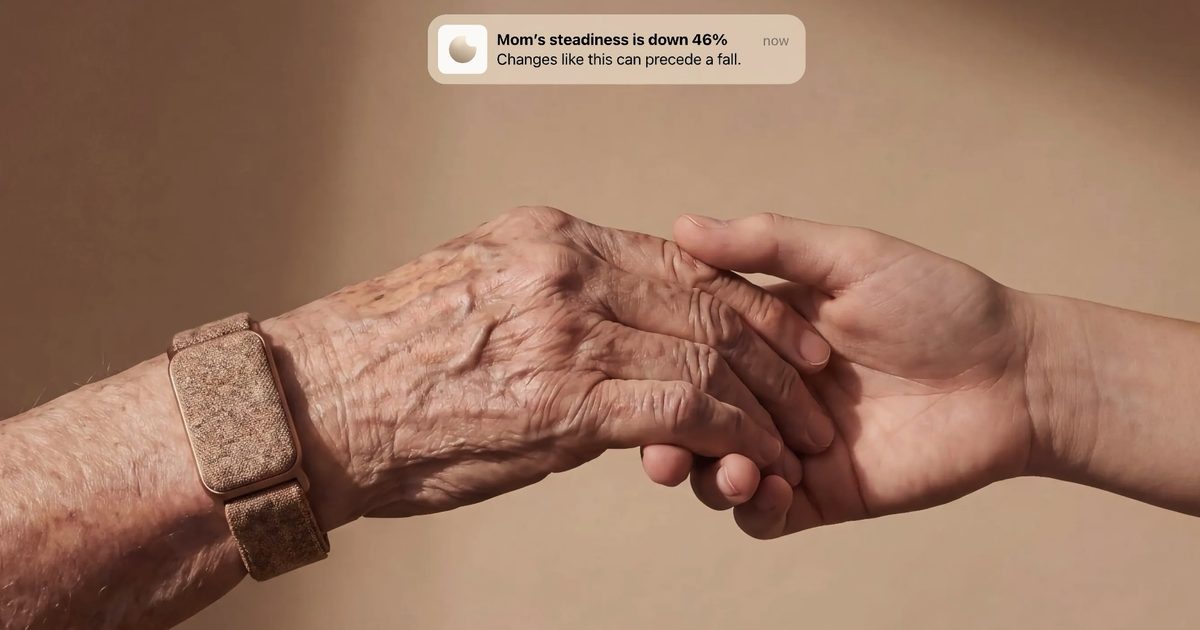
The topic Carely’s new wearable watches over aging parents so you don’t have to is currently the subject of lively discussion — readers and analysts are keeping a close eye on developments.
This is taking place in a dynamic environment: companies’ decisions and competitors’ reactions can quickly change the picture.
Checking in on aging parents usually means playing a proactive game. Are they okay? Did they sleep well? Would you even know if something was wrong before it became serious? You have to be constantly vigilant and check in with your elders. Carely wants to remove that guesswork entirely, and it does so without a screen, an app your parents need to open, or a single daily check-in call.
JUST IN: @meetcarely is turning elder care into passive alerts instead of constant check-ins.It’s a screenless wearable that learns normal routines, tracks key health signals, and alerts the family when something seems off.– detects falls, SOS button presses, and safe zone… pic.twitter.com/ebbba8oP57
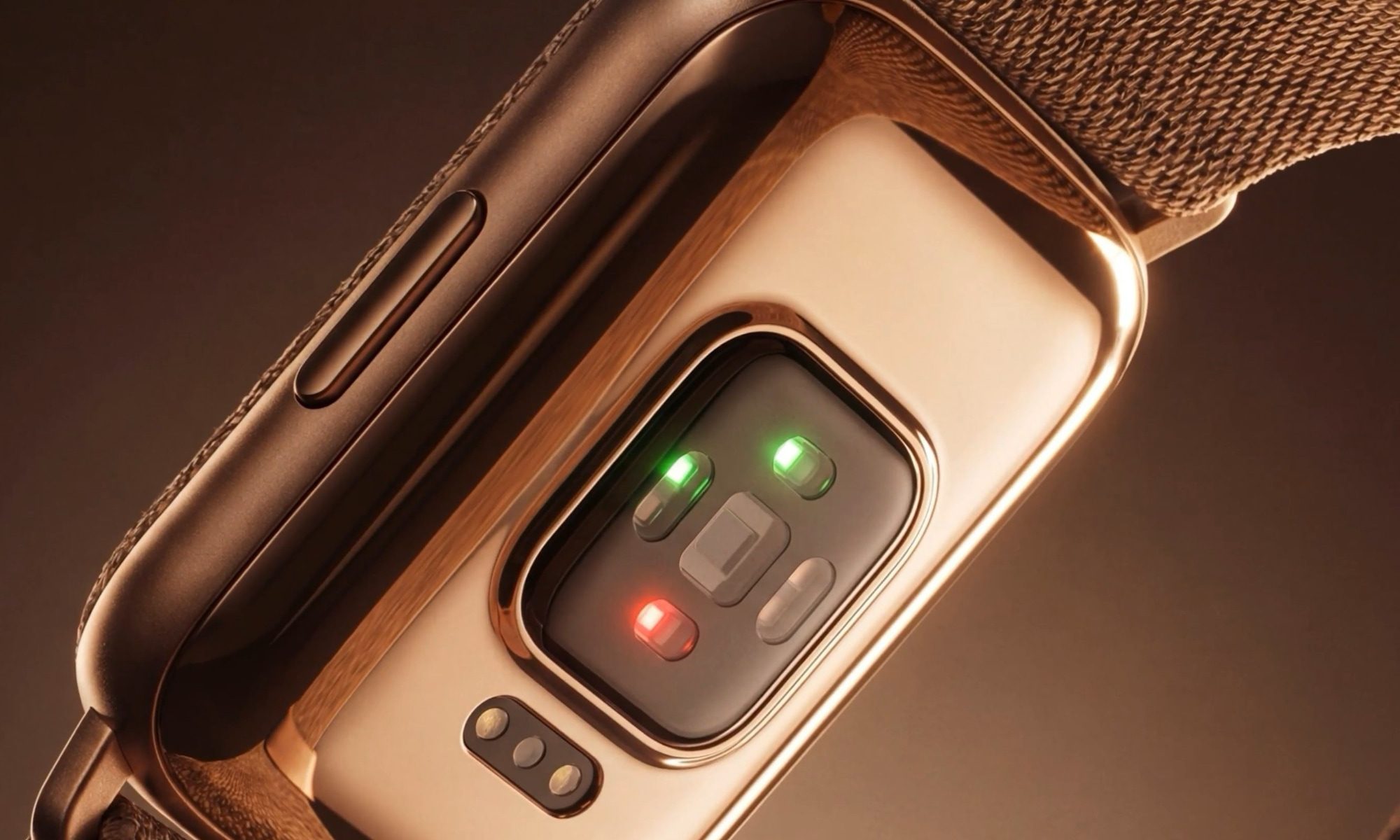
The wearable packs six biometric sensors that monitor heart rate, blood oxygen saturation, skin temperature, and motion, and uses these sensors to collect health data on your parents. The device uses this data to study your parent’s routine over time, learning their usual sleep patterns, activity levels, and vital signs. Once it establishes your parent’s baseline health, it can flag the moment something changes, often before the person even notices.
Carely doesn’t wait around for a scheduled check-in. It keeps watch for falls, SOS button presses, and even alerts you if your parent wanders outside a safe zone you’ve set up. The moment it detects something deviating from the pattern, such as an irregular heart rhythm or a decrease in steadiness, your family gets notified directly, giving everyone the same information at the same time.
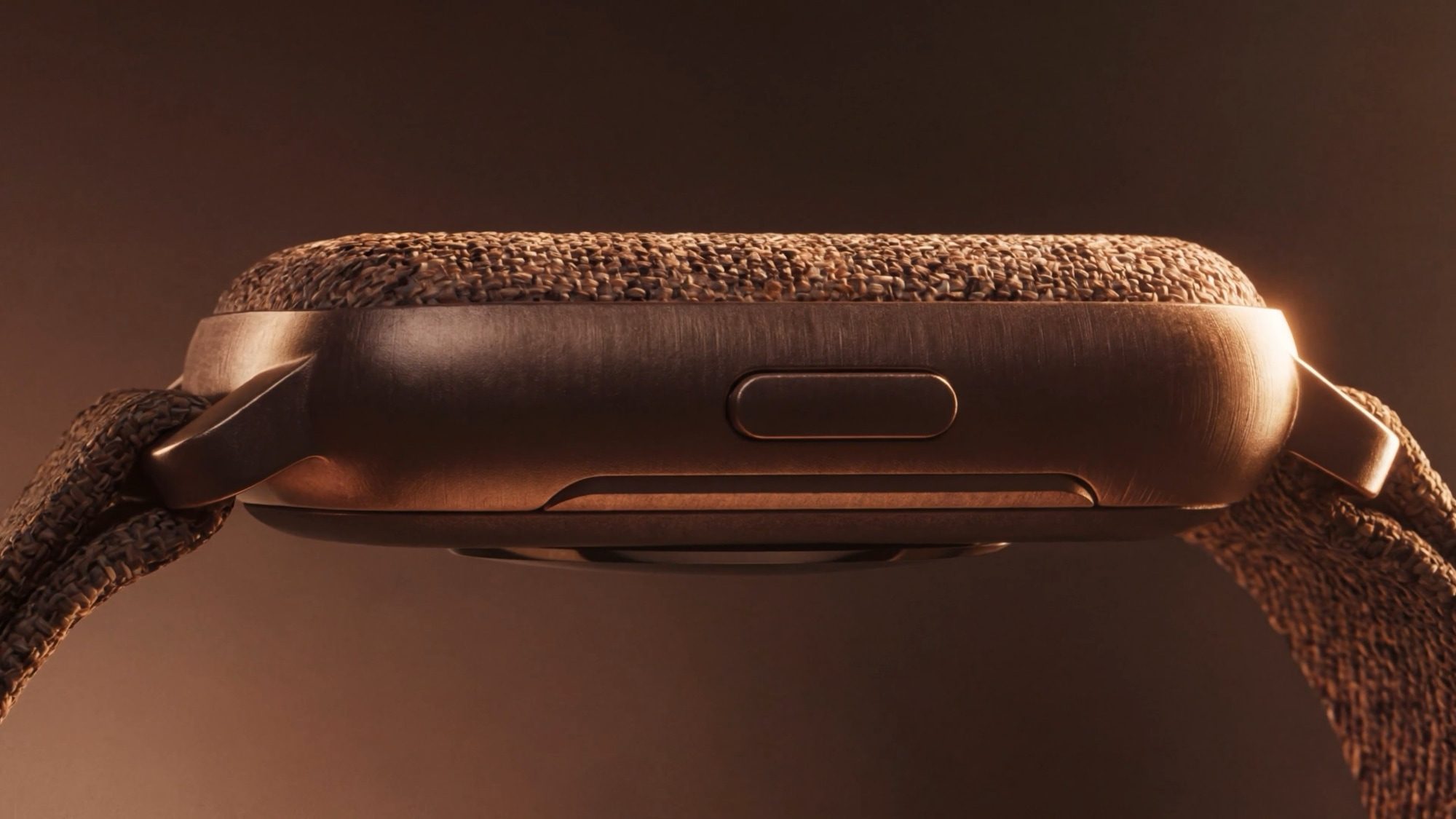
What’s genuinely convenient here is that Carely doesn’t lean on a smartphone, Wi-Fi, or Bluetooth to function. It works independently, which means fewer things that can go wrong and fewer setup headaches for parents who aren’t exactly tech-savvy. Battery life is rated at up to 10 days, and it charges right on the wrist.
That said, the device is still on the waitlist, and we would love additional information about how it works without a smartphone or charges on the wrist. If these features work as advertised, this might be the best device to keep tabs on your parents’ health.