The topic What should a ‘Google Home Display’ be now that Google Home Speaker has set the… is currently the subject of lively discussion — readers and analysts are keeping a close eye on developments.
This is taking place in a dynamic environment: companies’ decisions and competitors’ reactions can quickly change the picture.
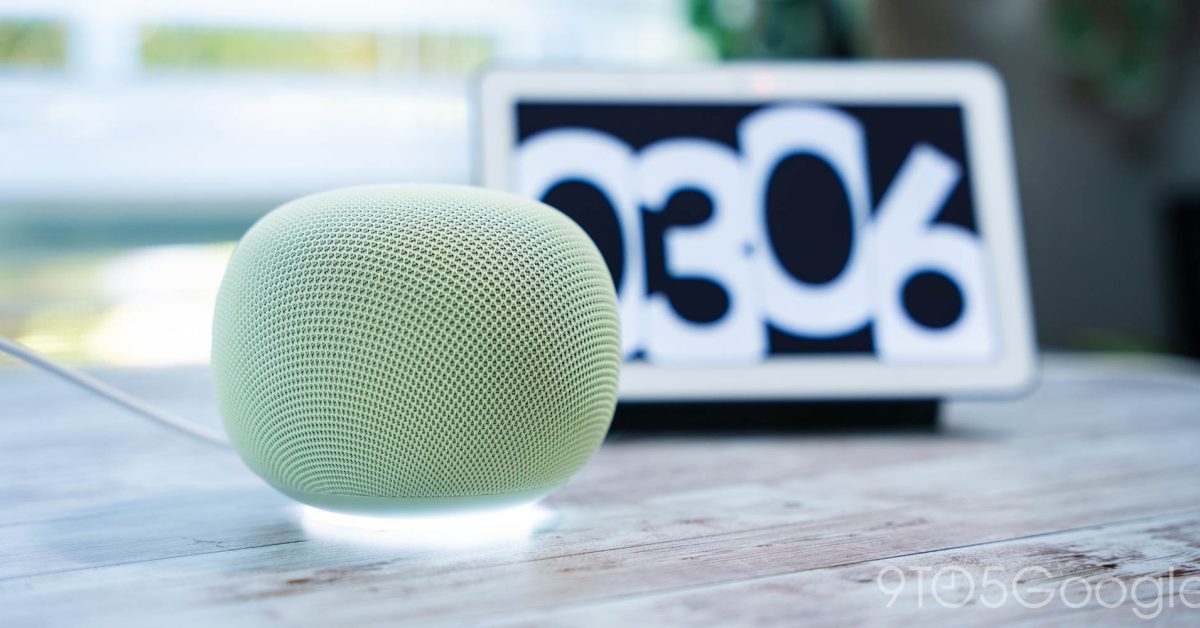
The next generation of Google’s smart home era has arrived, with the Google Home Speaker having set the stage. With an inevitable “Google Home Display” likely in the pipeline, what does that look like?
While Google has released some smart home hardware over the past few years, 2021 was the last time the company released any central pillars to the smart home. I’m talking about smart speakers and displays, which served for years as the hub both of control and functionality for Google’s smart home efforts for years. 2020 saw the latest smart speaker release in the Nest Audio, where 2021 saw the second-gen Nest Hub smart display released. It was all quiet beyond those until the launch of the Google Home Speaker last month.
Gemini, while not a perfect step forward, finally took the experience out of stagnation and into an era of active improvement. The Google Home Speaker is a pretty perfect physical representation of that, offering a fresh new look that builds on a familiar experience, while not necessarily nailing every aspect.
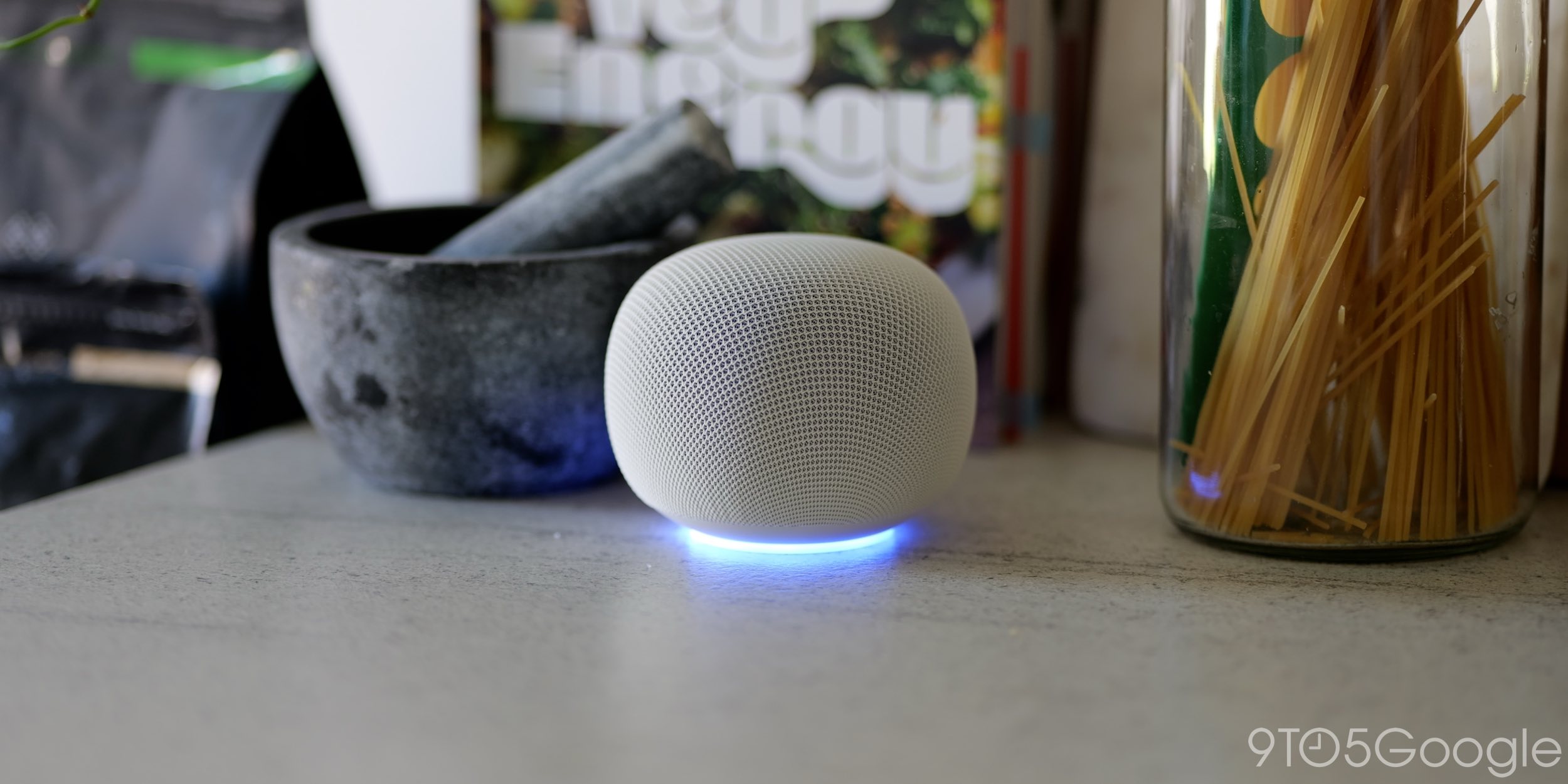
But what it really makes me excited for is what’s next, and that’s inevitably a smart display.
A “Google Home Display” is pretty clearly on the horizon. Google Home’s chief alluded to the project prior to the Speaker’s launch, and the name “Google Home Display” has already made a code appearance. It’s very clearly happening, and it’s got me thinking both about what I want from such a device, and what’s reasonable to expect knowing what we got in the Speaker.
Google’s smart display efforts have taken effectively three forms over the past decade.
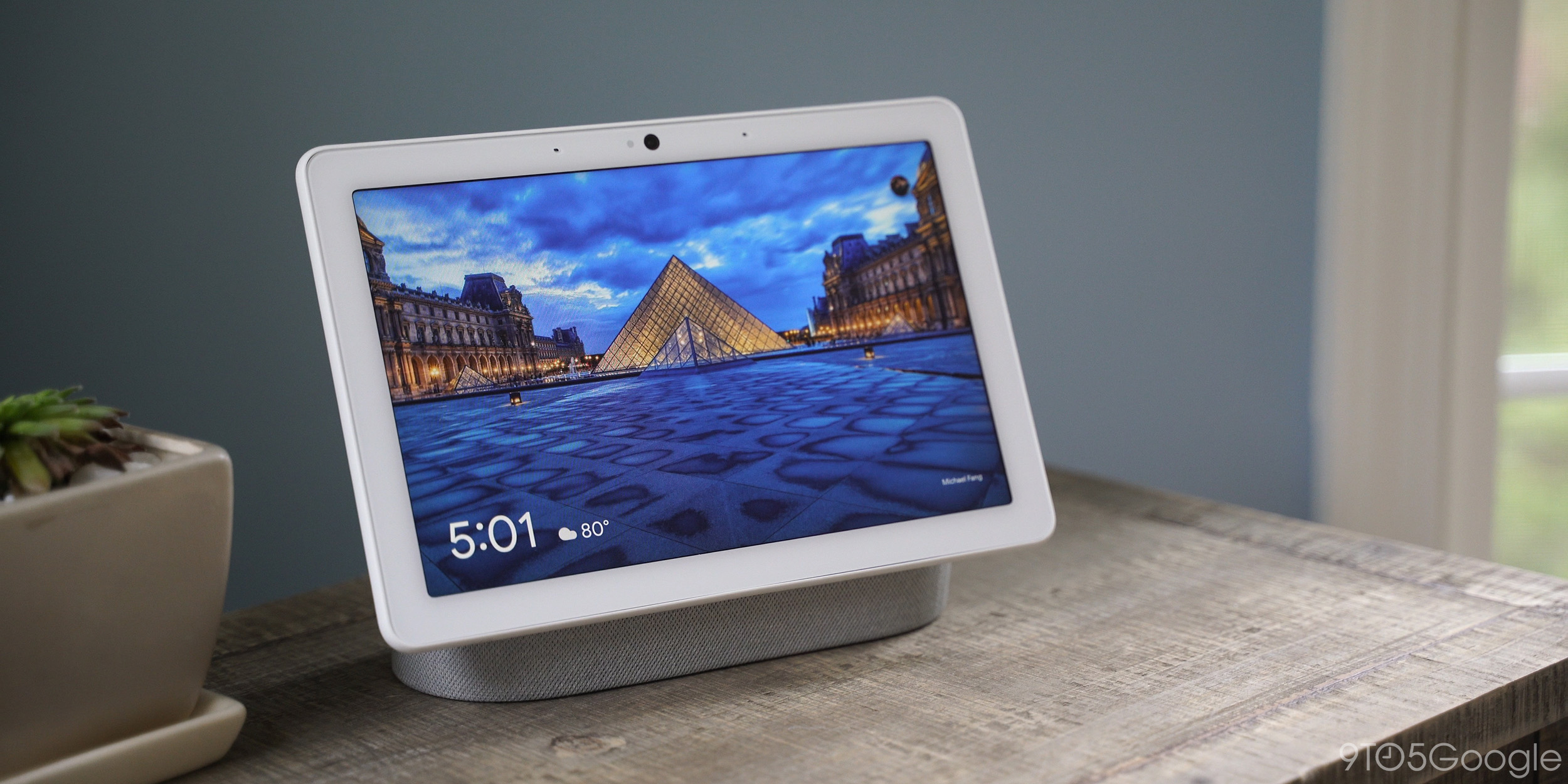
Looking back on those, I feel like the Nest Hub Max is the best model for Google to follow. The size isn’t as universal, but a modernized version of it could be a really good complement to the Google Home Speaker. It’d make more sense in the lineup too, given the Speaker is already at the smaller Nest Hub’s $99 price point.
A built-in Nest Cam might be at the top of my list for this new device, especially seeing as the Hub Max left so much room for improvement in that concept (like how it didn’t have night vision).
But this form factor is the one that really just makes the most sense of the three if Google doesn’t intend to release more than one device, which seems likely. That was a topic of discussion in a recent episode of our podcast, Pixelated, with our Abner explaining that he believes Google’s future of smart home hardware doesn’t go too far beyond the current Google Home Speaker and a “Google Home Display” for the forseeable future. While I’d love a proper Nest Mini replacement, I tend to agree with that take. We already know third-party brands are making a comeback, and it makes some sense for Google to set the template with its hardware and leave the variations to other brands.
But what do you think? What would you want out of a “Google Home Display” if it does indeed get released?
Google released a few new app updates and new apps on Pixel phones this week, including its new “Signatures” app and “Pixel Audio Services.”
With less than a month to go until its next Unpacked event, Samsung has started dropping the first Galaxy Z Fold 8 teasers on social media, confirming the foldable’s new form factor.
9to5Mac: iOS 27 breaks 15 years of muscle memory on iPhone and iPad
9to5Toys: How to score the new Google Home Speaker at 50% off with this Best Buy 4th of July promo
Electrek: Kia axed its affordable EV, but a replacement is set to go on sale soon