The topic NASA is investing $590 million in private contractors to build humanity’s first Moon… is currently the subject of lively discussion — readers and analysts are keeping a close eye on developments.
This is taking place in a dynamic environment: companies’ decisions and competitors’ reactions can quickly change the picture.
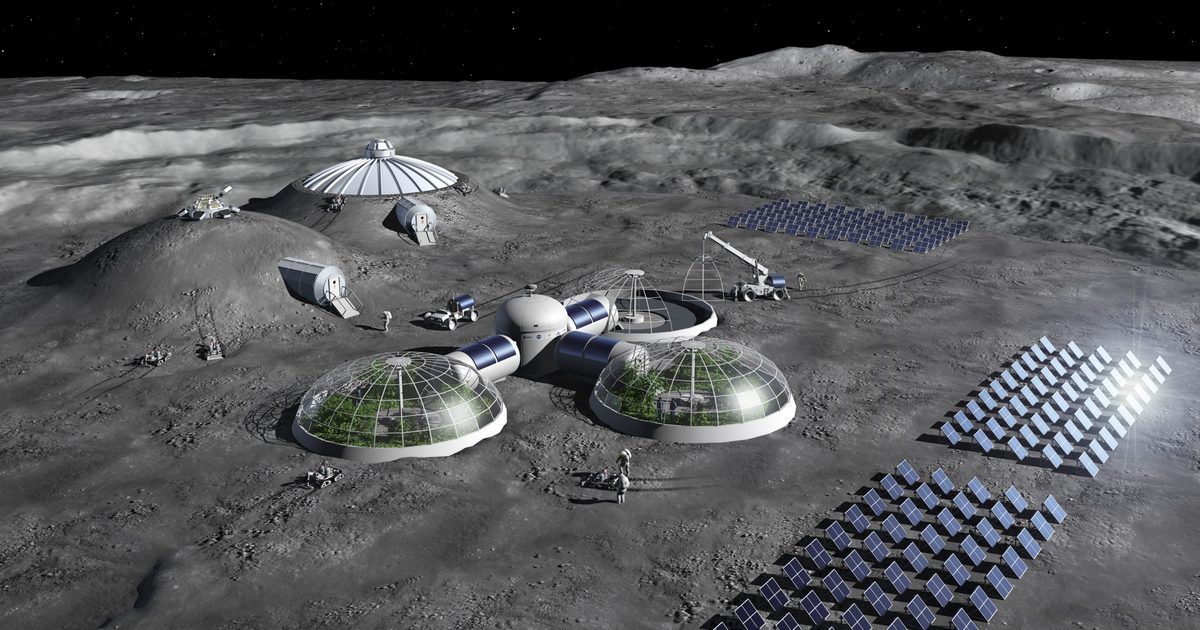
Building a permanent base on the Moon sounds like science fiction, but NASA is making it feel a lot more real. The agency just handed $590 million in contracts to three private companies for four uncrewed lunar lander missions launching in late 2028.
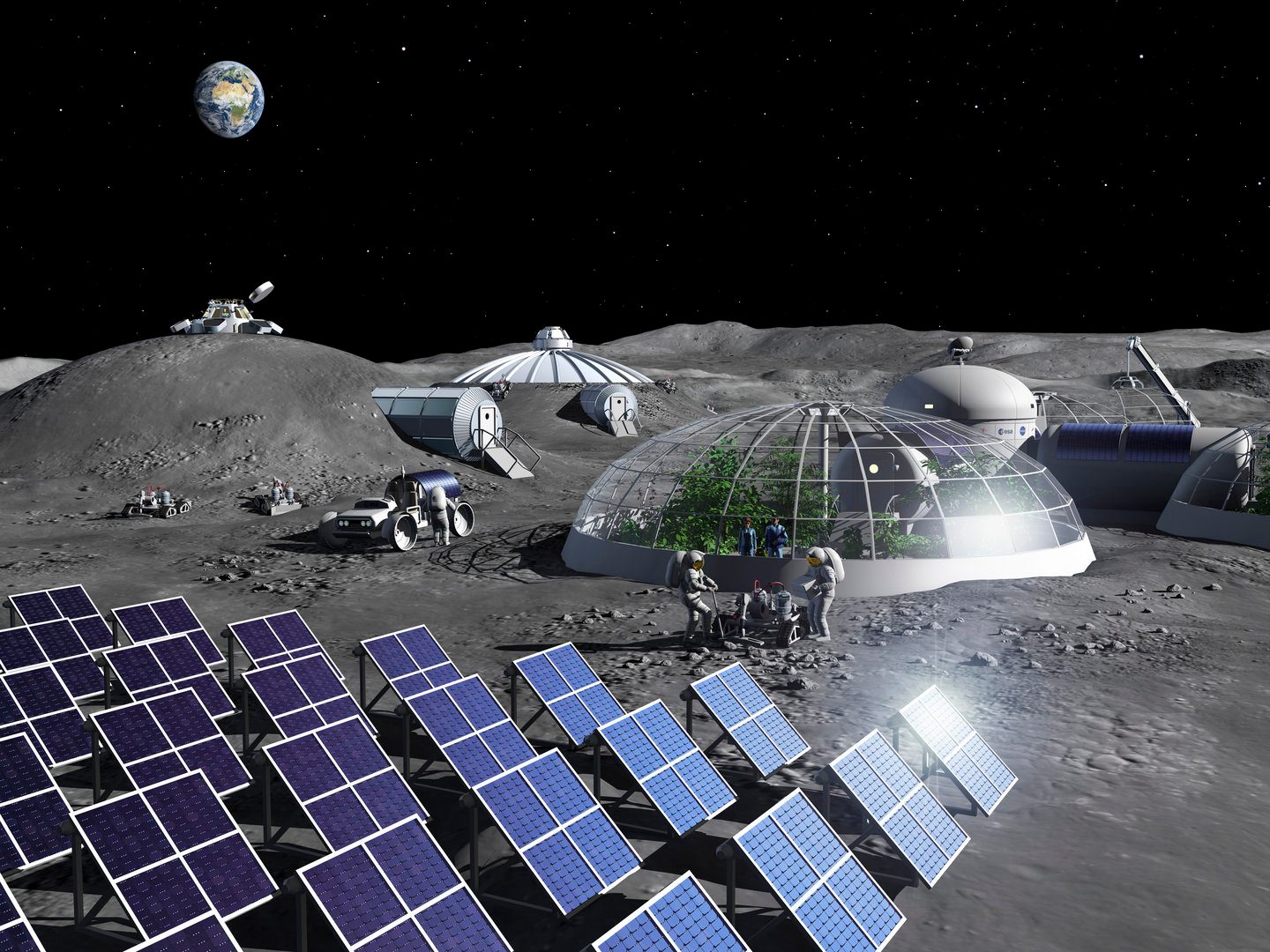
These missions are part of Phase 1 of NASA’s broader $30 billion Moon Base program, which needs to deliver landers, rovers, and scientific cargo up there before astronauts eventually move in. These efforts are closely tied NASA’s Artemis program, which sent humans on a lunar flyby in April for the first time since the Apollo era.
according to the data NBC News, Astrobotic received the biggest slice, $297.9 million, for two missions. Firefly Aerospace secured $144.2 million for one lander, while Intuitive Machines won $148.3 million for another. NASA says these repeated robotic trips are crucial because future human crews will depend on those systems working flawlessly.
However, the track record so far is a mixed bag. Firefly is the only private company to nail a clean Moon landing, with its Blue Ghost vehicle touching down upright in March 2025. Astrobotic’s Peregrine mission never made it past Earth orbit, while Intuitive Machines reached the surface twice but tipped over on both attempts.
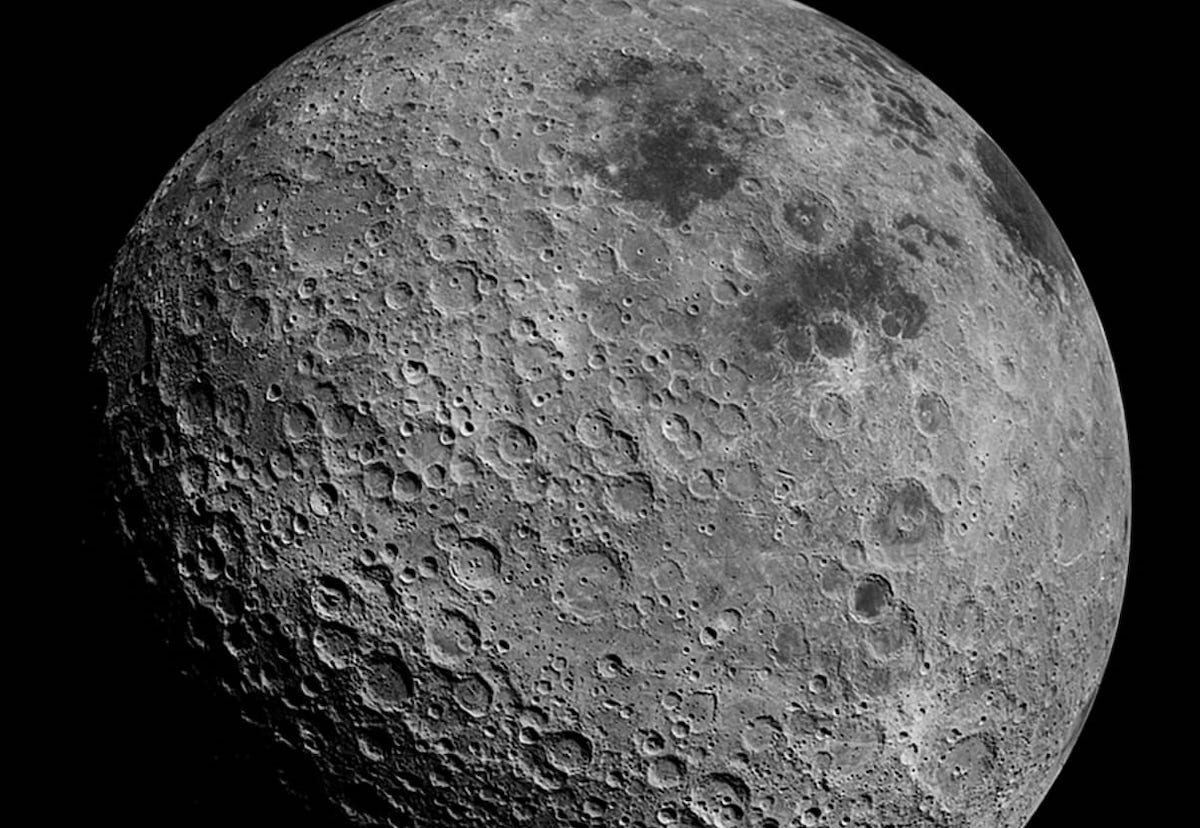
NASA is also exploring whether a Mars rover prototype called Promise could be repurposed for lunar missions, adding more science capabilities to the outpost effort.
This first phase will cost around $10 billion and run through 2028, but the urgency goes beyond engineering. China is rapidly expanding its lunar program, and both countries are targeting the Moon’s south pole because it may contain water ice that could be turned into drinking water or rocket fuel.
NASA is also dealing with setbacks. Blue Origin’s New Glenn rocket exploded on the launchpad in May, delaying its planned Blue Moon lander mission. NASA has already started exploring backup launch options to avoid losing time.
If all goes to plan, this Moon Base will grow into a settlement where astronauts live and work. It is expensive, risky, and years away, but NASA just made one of its most decisive moves yet toward getting there.