The topic The iPhone Air could get a second camera and a better chip in spring 2027 is currently the subject of lively discussion — readers and analysts are keeping a close eye on developments.
This is taking place in a dynamic environment: companies’ decisions and competitors’ reactions can quickly change the picture.
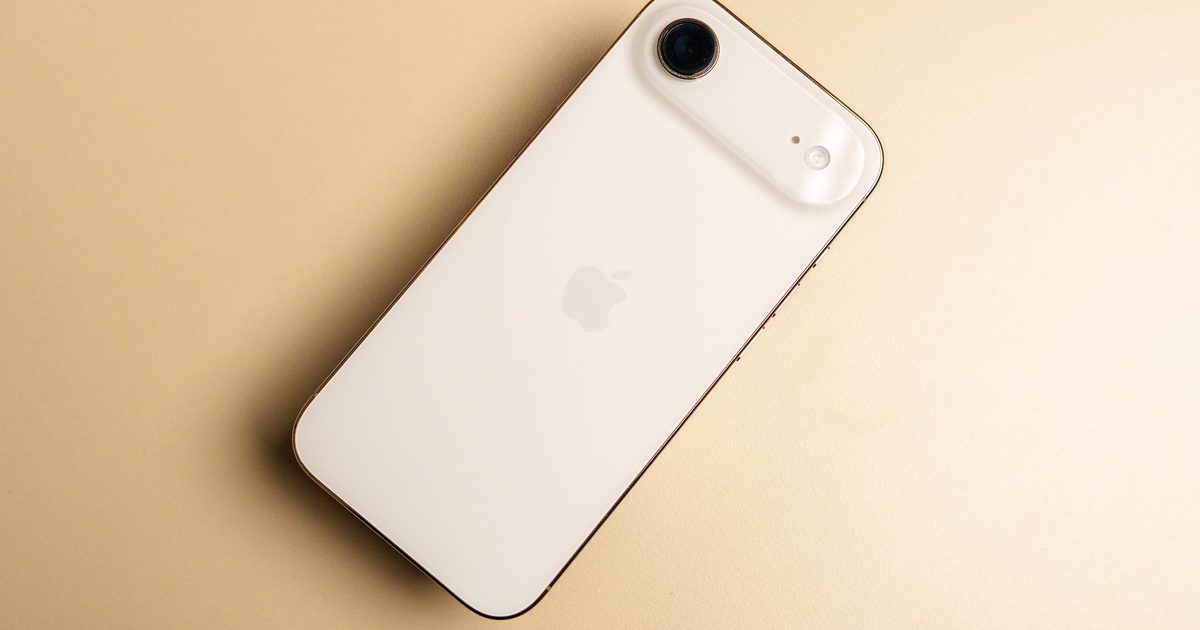
There have been plenty of rumors about the second-generation iPhone Air, but the most recent one sheds some light on the improvements it could bring and its launch window.
according to the data Bloomberg’s Mark Gurman, the second-generation iPhone Air, codenamed V62, is headed for a spring 2027 launch. This adds further detail to Apple’s already-reported staggered launch strategy for the iPhone 18 lineup.
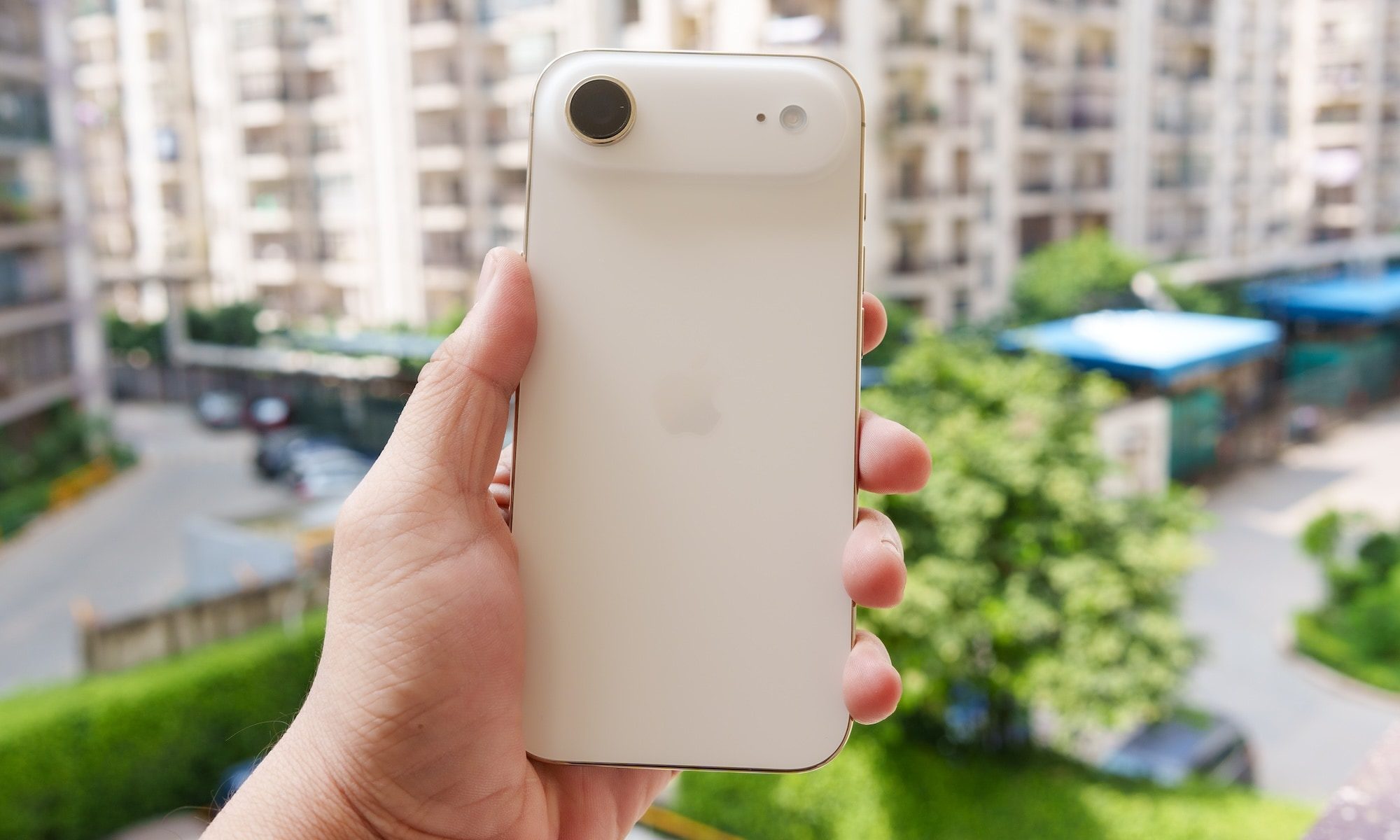
The single rear-facing camera on the iPhone Air has drawn the most customer complaints, Gurman claims, and Apple plans to fix that with an ultrawide camera. This will bring the iPhone Air 2 closer to the standard iPhone experience while keeping it distinct from the Pro.
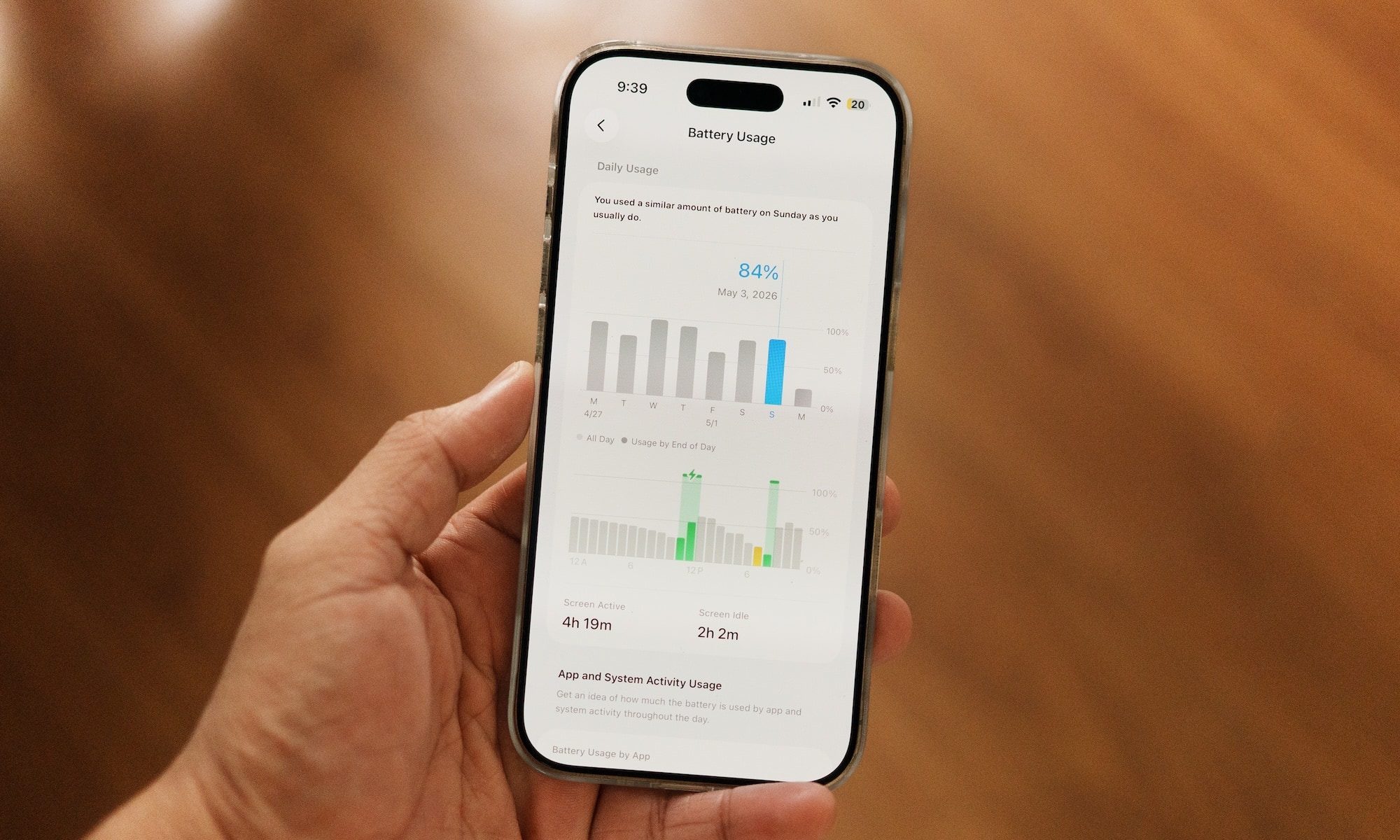
Apple is also working on battery life improvements for the second-generation Air, which is yet another weak point of the handset. It’s unclear whether that will come from a larger battery cell (which would be tricky given how slim the Air’s chassis is), from software and efficiency gains, or from both.
What’s clear, however, is the chip. The iPhone Air 2 will run on the A20 Pro chip, the same processor that powers the iPhone 18 Pro and iPhone 18 Pro Max this fall (via Bloomberg).
The spring 2027 timing reflects a bigger shift in how Apple will handle the iPhone releases this year.
At its September 2026 launch event, the company is expected to skip the standard iPhone 18 entirely, launching only the iPhone 18 Pro, iPhone 18 Pro Max, and its first foldable (likely called iPhone Ultra).
The standard iPhone 18 and the purported iPhone Air 2 could both arrive in spring 2027, roughly six months after the fall launch.
This approach will not only help spread revenue throughout the year, but also enable the company to compete more effectively with Samsung, which usually launches its mainstream flagships at the beginning of the year (around January-February).