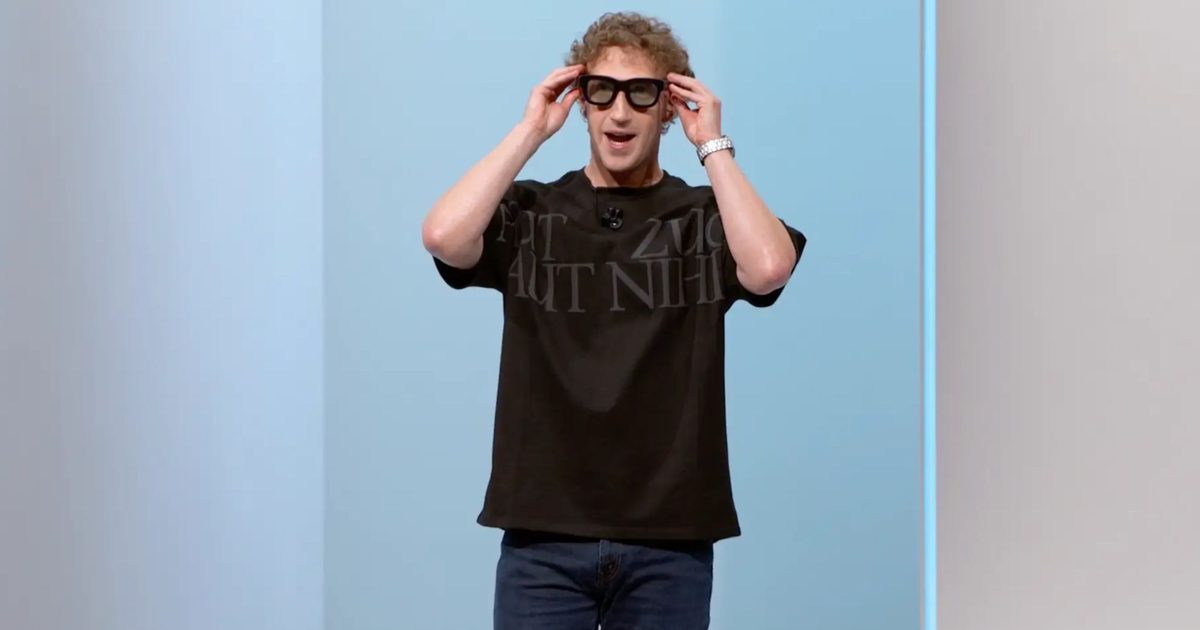
The topic Meta is testing smart glass facial recognition tech that’s also used by police and… is currently the subject of lively discussion — readers and analysts are keeping a close eye on developments.
This is taking place in a dynamic environment: companies’ decisions and competitors’ reactions can quickly change the picture.
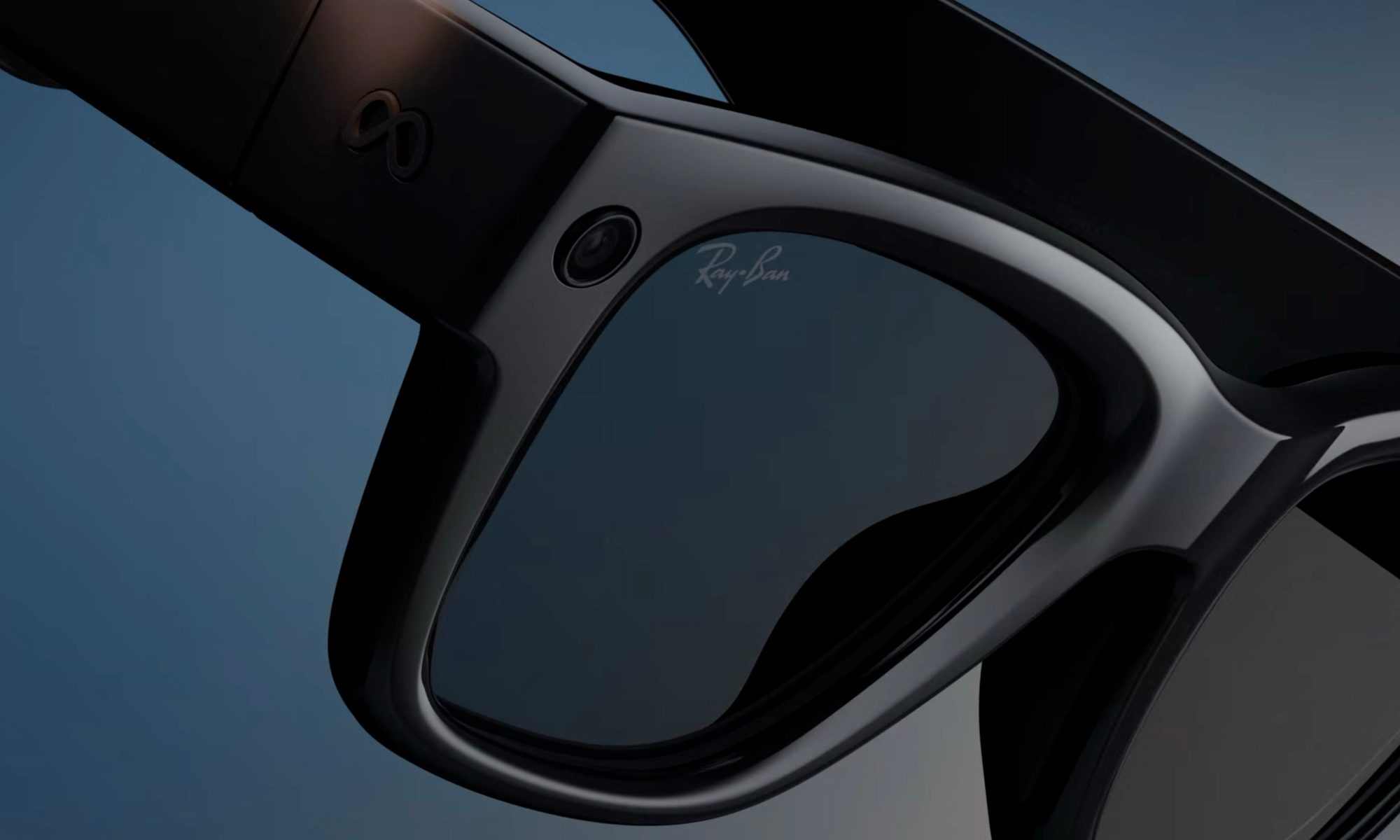
Meta seemed to be quietly testing face recognition software for its Ray-Ban and Oakley smart glasses. A new WIRED investigation reveals that the company licensed it from Rank One Computing, a Denver-based firm that earns roughly 80% of its revenue from government clients, including the US military and police departments nationwide.
This is the first known evidence of a business relationship between Meta and Rank One, and it raises serious questions about where consumer technologies ends and surveillance infrastructure begins.
Rank One is not your average tech company. It supplies face recognition to the US Marshals Service, the Naval Criminal Investigative Service, and the US Special Operations Command, which funded research that can reportedly identify a face from up to one kilometer away.

Its CEO previously ran the FBI’s biometric database division, and its board includes former CIA, FBI, and Pentagon officials. The company went public on the Nasdaq in February 2026.
The license Meta acquired covered Rank One’s face recognition software, along with liveness detection, a tool that checks whether a camera is looking at a real person instead of a photo. It supported up to 10 million facial templates.
WIRED found remnants of Rank One’s code sitting dormant inside a version of Meta’s AI app that shipped to more than 50 million phones this month. Meta also built its own internal face recognition system, called NameTag, into the same app. However, none of it was ever active for users.
Meta deleted both systems, one day after the news broke, and denied using facial scanning. The company also declined to say why it licensed the software or whether the arrangement is still ongoing. There are currently almost no national rules in the US governing face recognition, making the legal landscape murky around what Meta was testing.