The topic iOS 27 could change how your muscle memory swipes notifications on a phone is currently the subject of lively discussion — readers and analysts are keeping a close eye on developments.
This is taking place in a dynamic environment: companies’ decisions and competitors’ reactions can quickly change the picture.
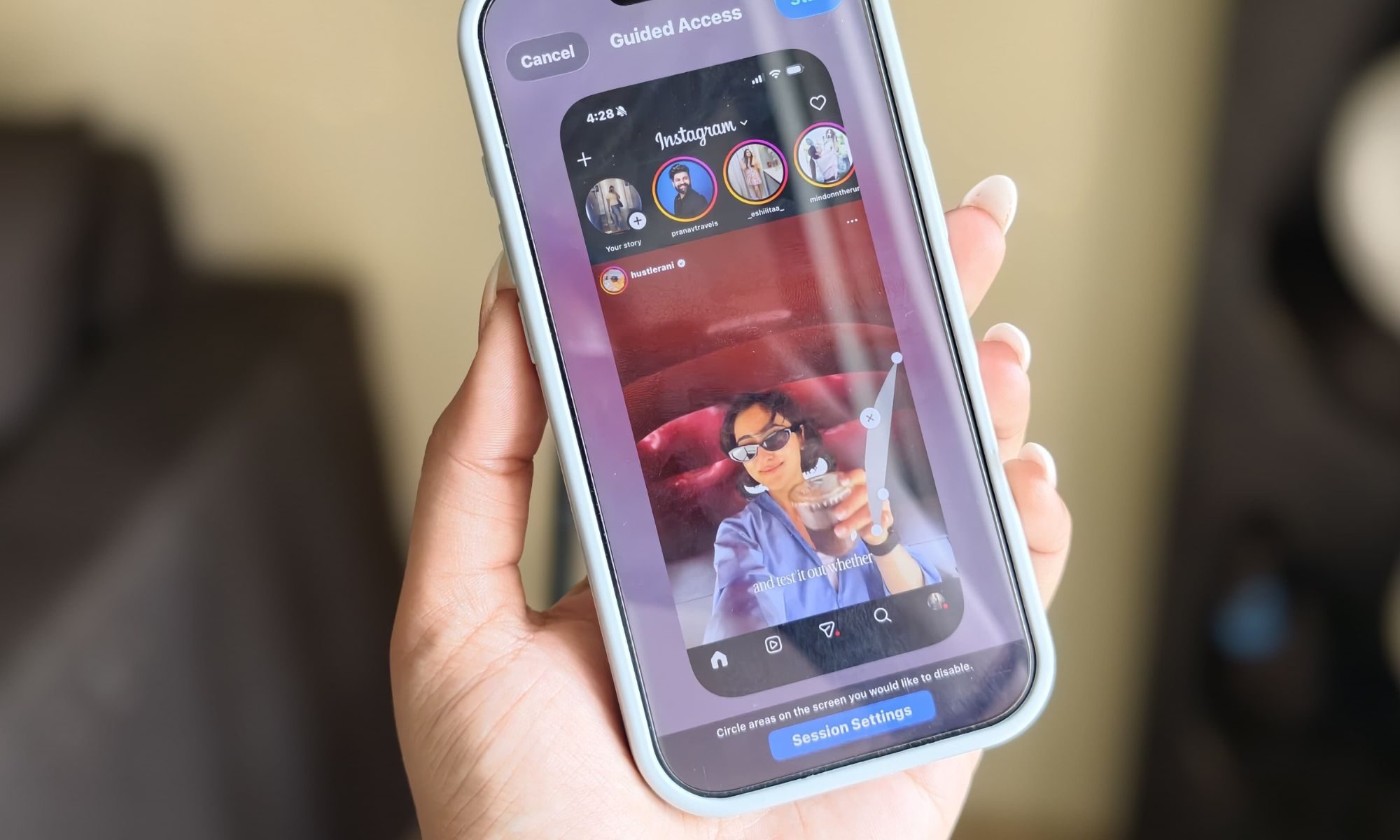
Apple is reportedly preparing a potentially disruptive change to how notifications work in iOS 27 and iPadOS 27.
according to the data Bloomberg’s Mark Gurman, incoming notifications now slide in from the left side of the screen in internal builds of the software. On its own, that might sound like a simple visual tweak. But it appears to be part of a much larger rethink of navigation gestures — one that could force longtime iPhone users to retrain years of muscle memory.
For years, iPhone users have relied on a simple gesture: swipe down from near the center of the screen to access notifications. That reportedly changes in iOS 27.
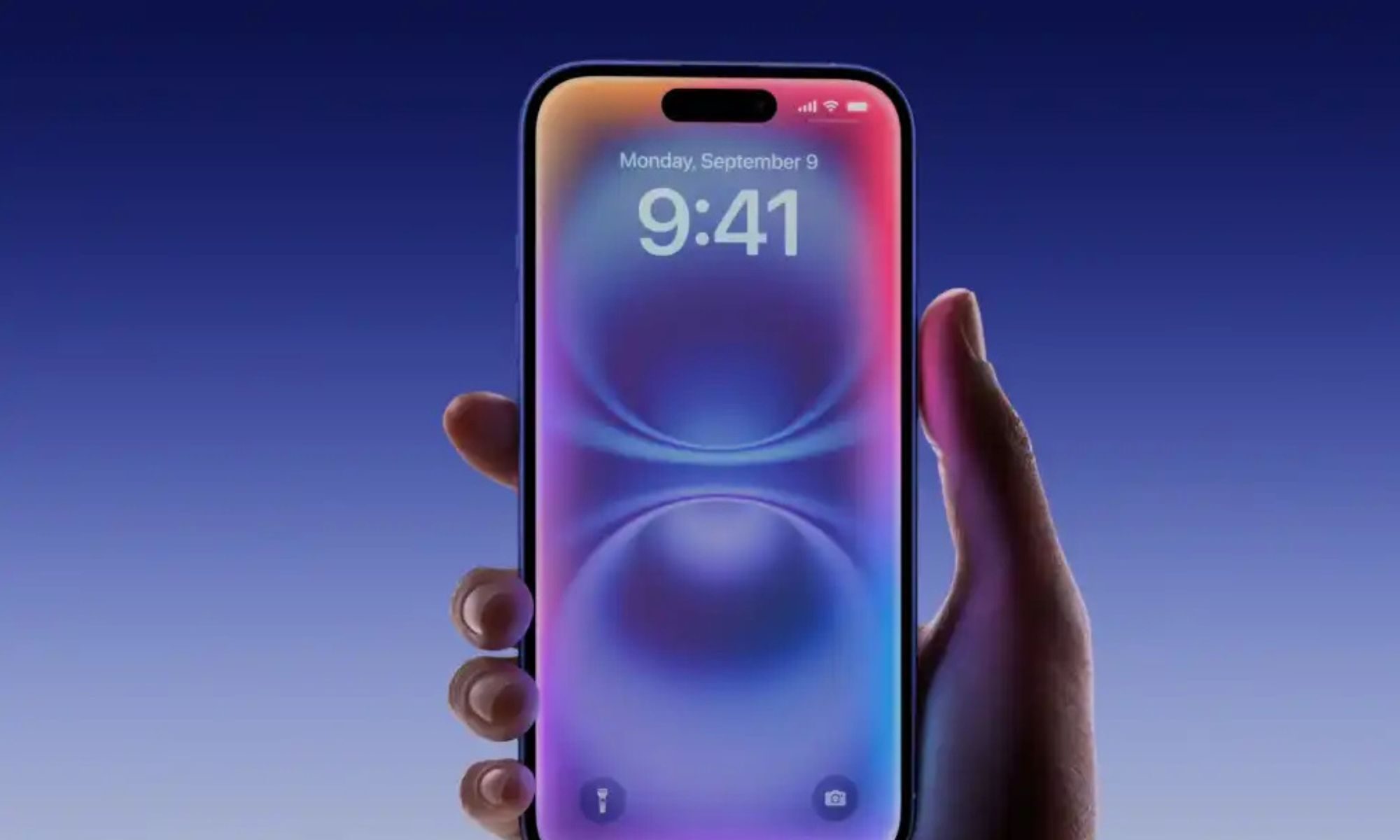
Under Apple’s new system, swiping down from the center would instead open Search or an AI-powered assistant panel. Notifications would move to a separate gesture, requiring users to swipe down from the left side of the display to access Notification Center. Anyone who has picked up a new smartphone after years on another platform knows how deeply ingrained these gestures become.
The reported redesign suggests Apple wants to give Search and AI features a much more prominent role in the iPhone experience. Rather than hiding AI tools behind buttons or menus, the company appears to be assigning them one of the most natural gestures on the phone. That’s a strong signal about where Apple sees user interactions heading.
The notification animation itself also seems designed to reinforce the new behavior. If alerts now arrive from the left side of the screen, the visual cue naturally matches the new swipe direction required to view them. Whether users embrace the change is another matter. History shows that even small adjustments to familiar gestures can spark strong reactions. But if the report is accurate, iOS 27 may not just look different — it could change how millions of people instinctively interact with their iPhones every day.