The topic The AI boom crushed PC building, but it’s the best thing that happened to home… is currently the subject of lively discussion — readers and analysts are keeping a close eye on developments.
This is taking place in a dynamic environment: companies’ decisions and competitors’ reactions can quickly change the picture.
The AI boom has made building a competitive new PC genuinely painful. Memory and storage prices have surged to levels we haven’t seen in years, and the parts that used to be afterthoughts now dominate the budget. So it feels almost contradictory to say that the same boom has made building a home server or lab easier than ever, but it truly has lowered the bar in ways that have nothing to do with price.
The expensive and glamourous parts of a PC build are largely irrelevant to a home server, and those are the parts that the AI boom has hit the hardest. You don’t need a flagship GPU or 64GB of the fastest DDR5 to run Jellyfin, Immich, Nextcloud, Vaultwarden, and a DNS sinkhole on one machine. You need a modest, efficient box that can stay on around the clock, and that category of machine has never been healthier.
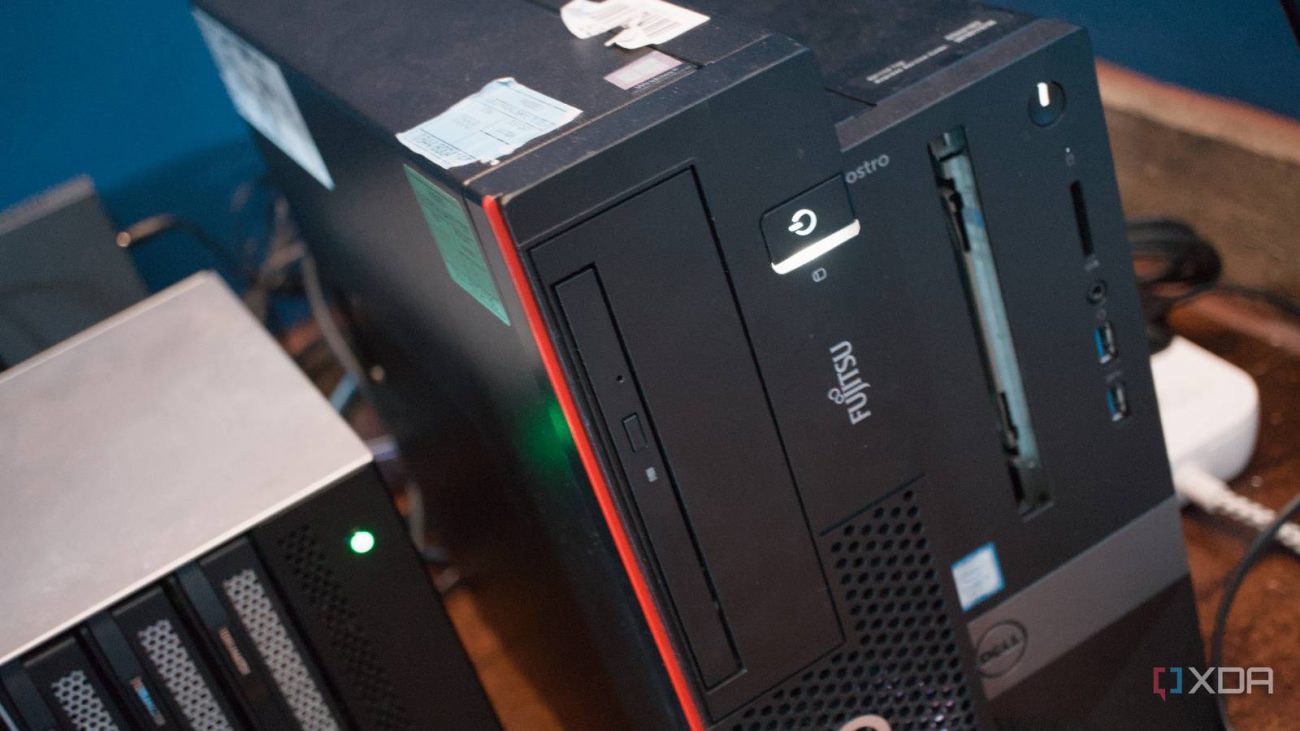
At the entry level, mini PCs built on Intel’s N100 and N150 chips sip power, cost very little, and comfortably handle a stack of containers. Step up from there and the used market does so much of the heavy lifting. eBay and local listings are chock-full of decommissioned workstations and SFF office machines. These kinds of computers will usually have a decent core count, memory, and only require a boot drive to get up and running. These decommissioned Dell Precision, HP Z, and Lenovo ThinkStation and ThinkCentre boxes are constantly being cleared out by businesses on a fairly regular cycle, and can be found for surprisingly cheap prices.
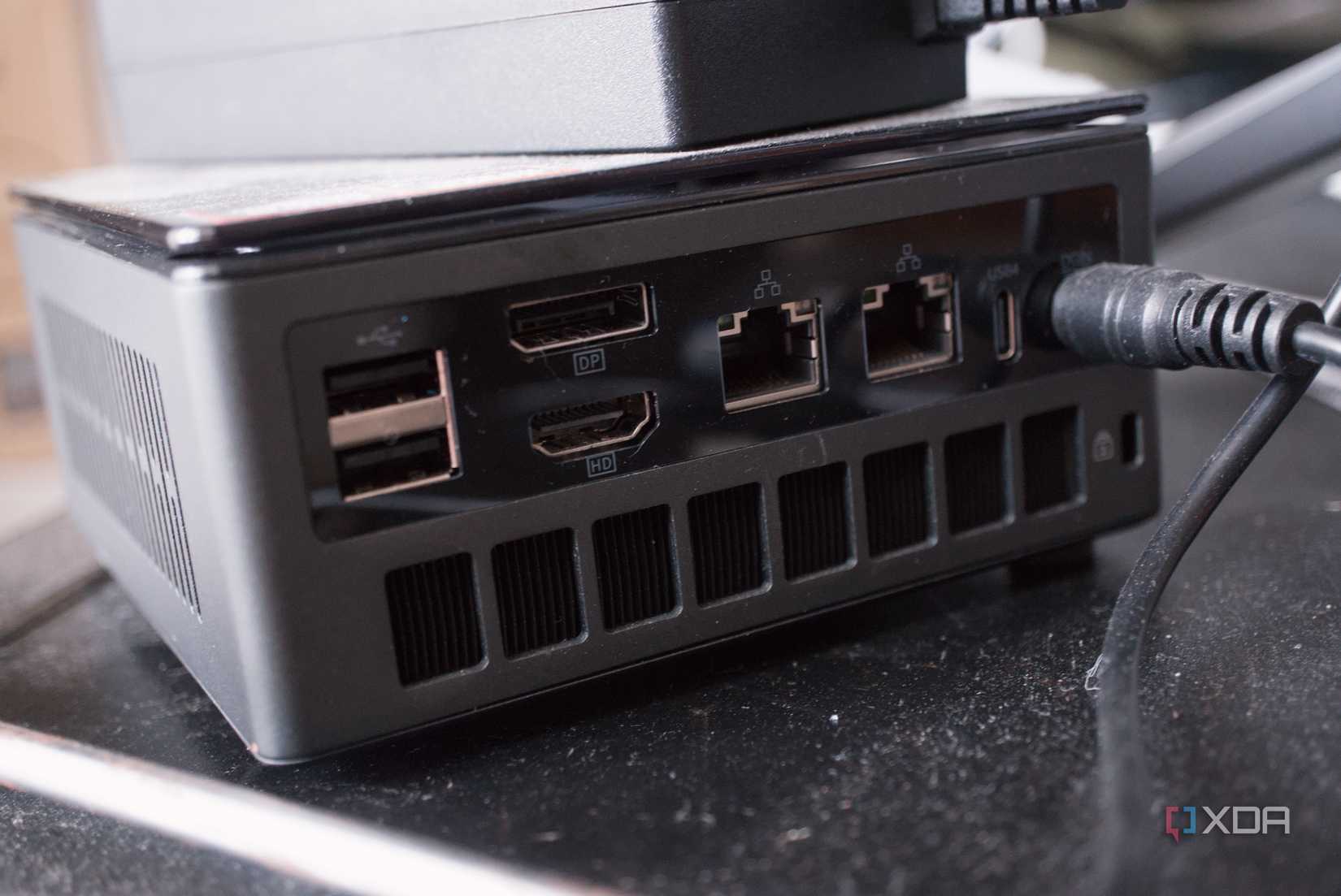
Decomissioned workstations are a great upgrade opportunity for your home lab
Hardware was rarely what stopped people from running a home server. The real walls were knowledge and patience, which are difficult to come by if you’re at all new to the process of self-hosting. Self-hosting used to mean piecing together fragmented documentation, digging through years-old forum threads, and staring at error messages not knowing if it’s something you did wrong, or if you’re the first person on the planet to have this issue.
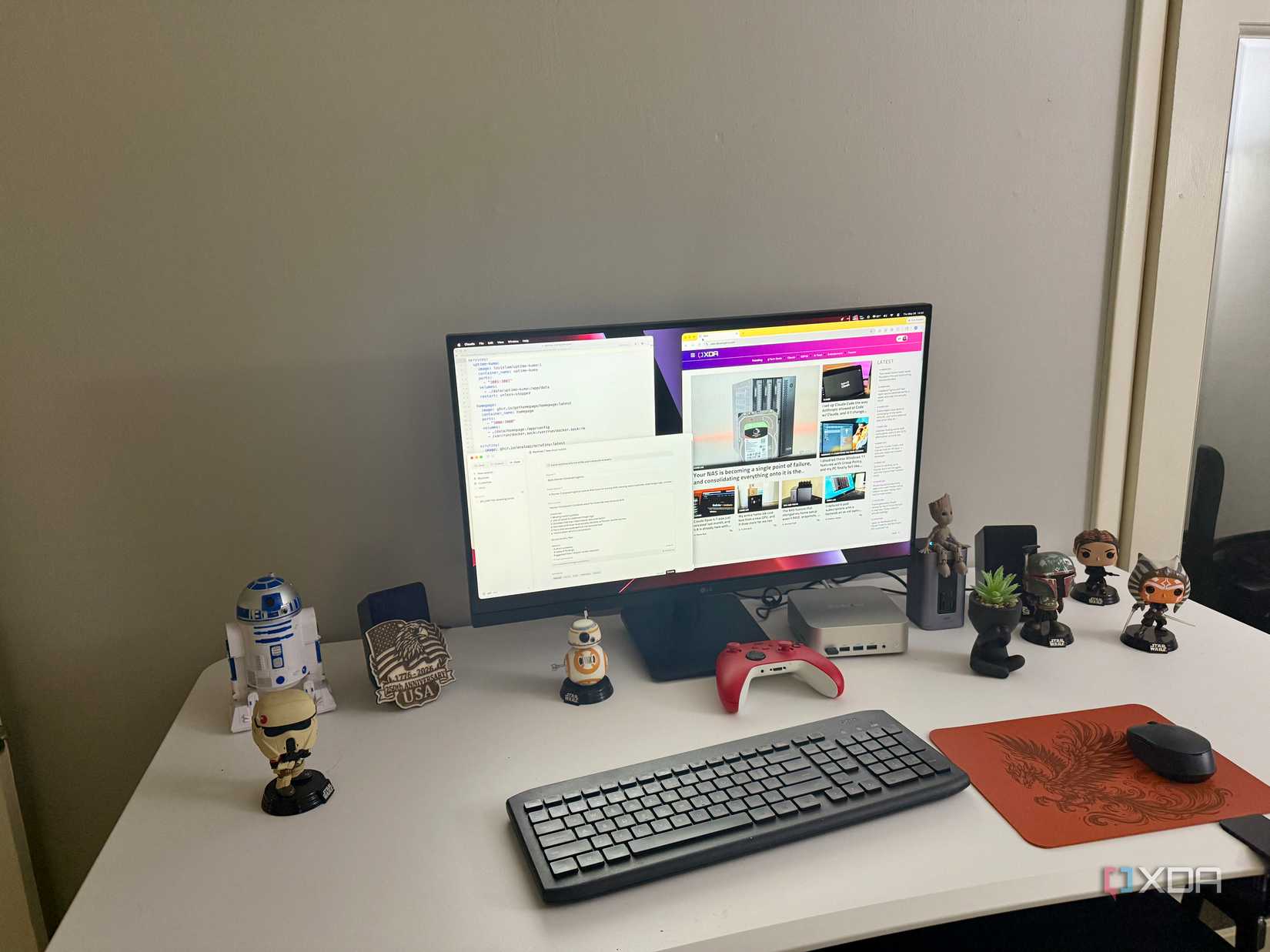
Thankfully, the accumulated documentation, forum wisdom, and tribal knowledge of the self-hosting world has been absorbed into large language models, which means you can now describe a problem in plain language and get a plain-language explanation back. Paste a failing Compose file, describe a weird quirk of Proxmox, or dump an error log, and you get something actionable in return in a language you can understand. This makes self-hosting something much easier than it was in the past, and is the difference between quitting within the first week and actually getting a service up and running. The hardware itself got cheap, sure, but knowledge gap shrinking is what has really lowered the bar to entry.
A full-fat ATX PC is the ultimate starting point for a home lab
A home server is, at its core, a storage appliance, and even if you don’t plan to run a NAS of some kind, running services off of a home lab requires RAM. Both of these things require NAND, which is exceedingly expensive. Relief of the DRAM crisis doesn’t look to be imminent, with most forecasts not seeing meaningful relief coming until 2027 at the absolute earliest. That’s why an old workstation can be such a cheat code. Sure, you still have to buy the storage, but if the RAM is inside, you’re halfway there.
LLMs also aren’t a complete replacement for knowledge of self-hosting, and it pays to read the documentation yourself. An LLM that’s confidently wrong is more dangerous to a beginner than a blank terminal, because the failure isn’t always something you’ll notice, even as someone who’s experienced. It might be as benign as some syntax in a YAML file that half-works, but it can also be as dangerous as opening a port or service to the open internet while running everything as root. If you’re someone who’s inexperienced, you don’t know what you don’t know, and that’s why LLMs can get you into trouble.
When it comes to storage, you’re not provisioning a hyperscaler here. A first server running media, photos, password management, and ad-blocking has modest needs, and you can start with the drives you already own and scale into more capacity when prices ease.
As far as using AI to assist your home lab journey, the fix is to double-check what it’s asking you to do. Treat it as a learning aid, not an oracle. Cross-check anything that touches networking or permissions against official documentation and community consensus before you run it, and the combination of fast plain-language explanation plus a quick sanity check still lowers the bar for starting a system like this far more than anything has in the last few years. It’s a net-good for this kind of use-case, as long as you push back on instructions when you think they may be unsafe.
Despite their quirks, old server-grade processors are perfect for home lab experiments
The component crunch isn’t ending soon, and that’s exactly why this is worth doing now rather than waiting for prices that may not fall until 2027. You don’t need the insanely expensive parts. You need a cheap, efficient box, a handful of services worth running, and the willingness to learn. That last requirement has never been easier to meet, and although the AI boom made a certain kind of build impossible, it opened the door for so many people that otherwise wouldn’t have been able to start home servers in the first place.