The topic PCIe 8.0 is really fast, but it might require a new connector is currently the subject of lively discussion — readers and analysts are keeping a close eye on developments.
This is taking place in a dynamic environment: companies’ decisions and competitors’ reactions can quickly change the picture.
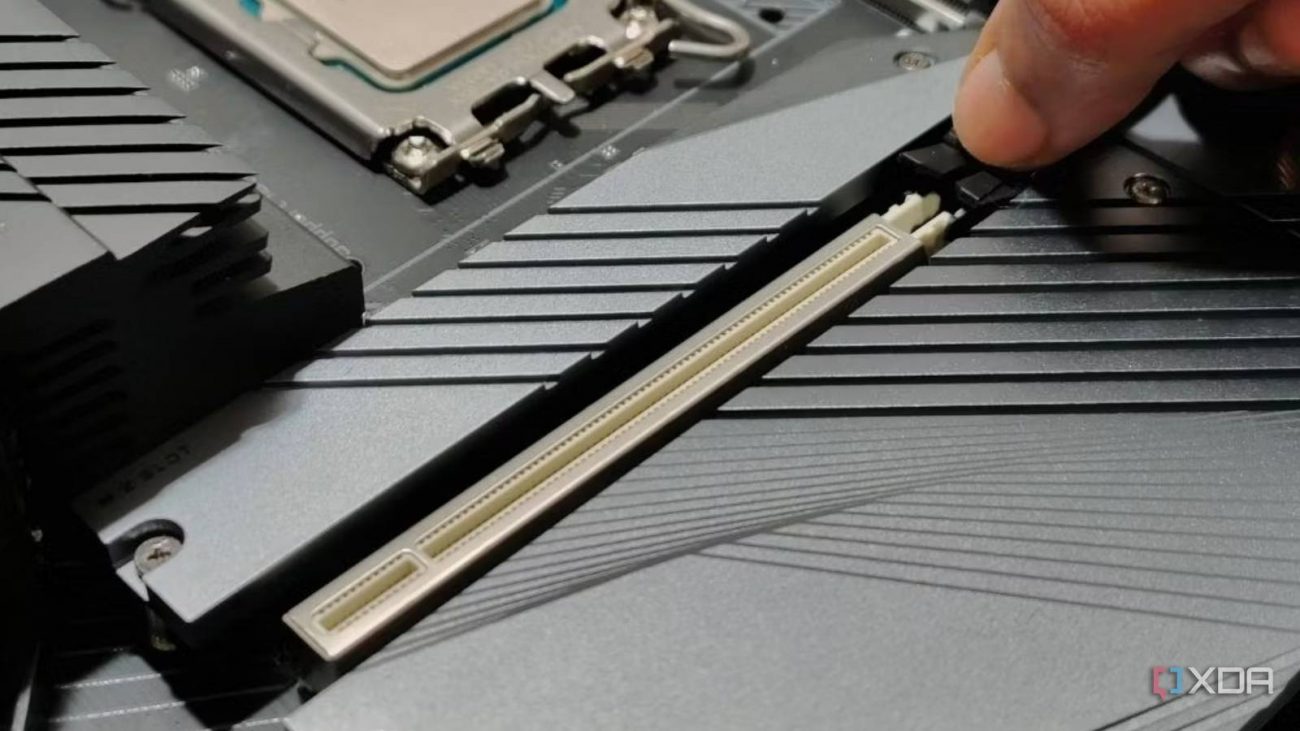
The PCIe slot is one of the longest-running pieces of consumer PC hardware still in active use. The card-edge connector you’d find on a brand-new RTX 5090 is mechanically and electrically compatible with cards built for PCIe 1.0 back in 2003—over 20 years ago. Seven generations and several orders of magnitude of bandwidth increases later, and the slot is still on motherboards today, which is a remarkable run for any standard, let alone one that has had to absorb as many changes as PCIe.
Earlier this month, PCI-SIG released draft 0.5 of the PCIe 8.0 specification, which targets a raw bit rate of 256 GT/s and up to 1 TB/s of bidirectional bandwidth on a x16 link, with full ratification planned for 2028. Buried in that announcement is a line that should catch anyone who has watched this standard evolve: PCI-SIG is “evaluating new connector technologies.” This means, in no uncertain terms, that replacing the connector that has been a mainstay on motherboards for over 20 years is finally on the table.
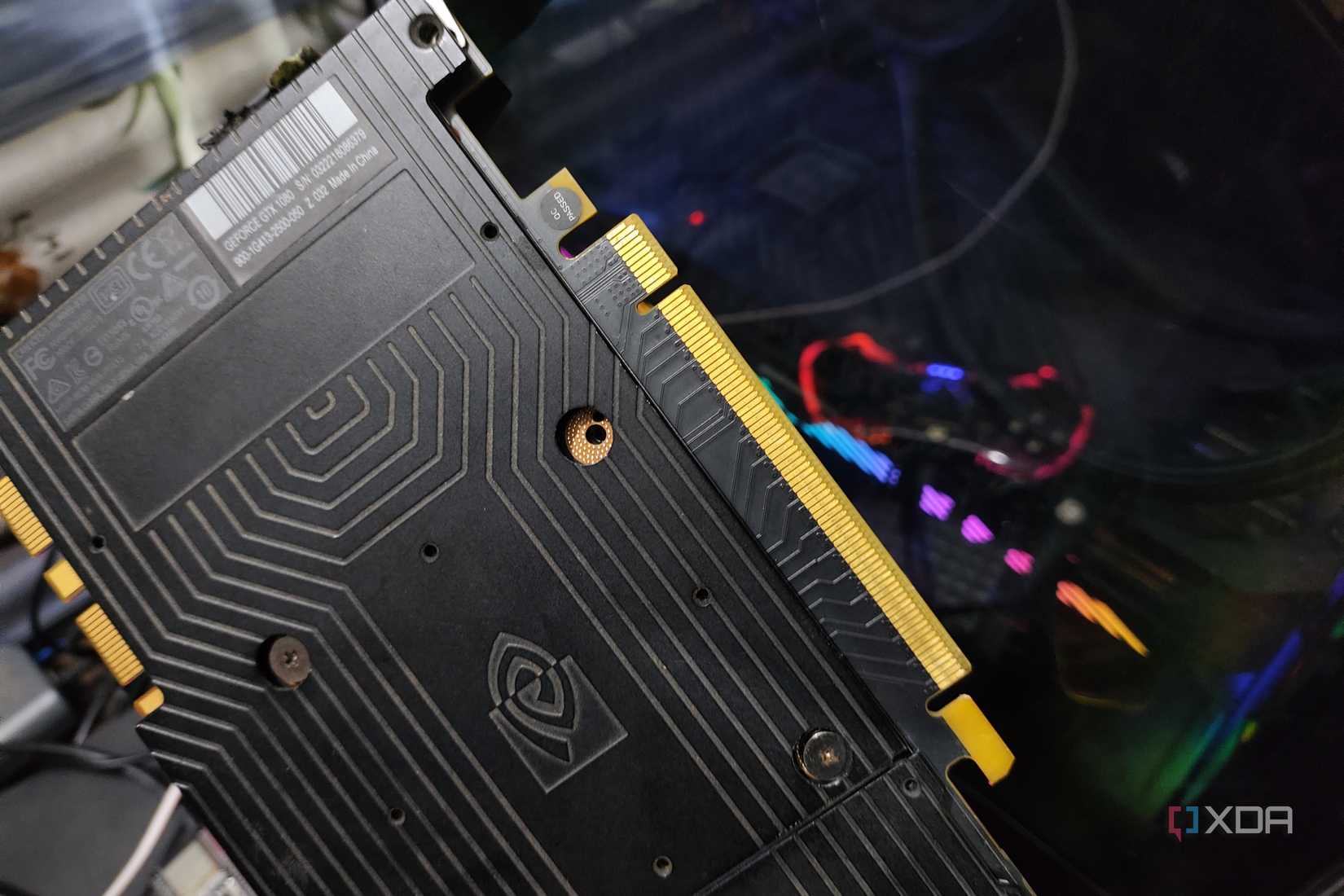
Every PCIe generation has roughly doubled effective bandwidth per lane, and starting with 6.0, the standard moved from NRZ to PAM4 signaling along with FLIT-based encoding and forward error correction to keep things manageable on copper. PCIe 8.0 keeps PAM4 but doubles the raw rate again to 256 GT/s. These kinds of speeds are unheard of for copper traces on a PCB, and genuinely push the boundaries of what a PCB can physically carry.
In actuality, this is a brutal target to hit. At those frequencies, every centimeter of motherboard trace becomes a place where signal can be lost or reflected back. Loss budgets and crosstalk that were already serious problems at PCIe 5.0 and 6.0 become even worse with bandwidth this high, and it’s also the reason why high-end motherboards ship with retimers and increasingly exotic PCB materials. The current slot was specified in an era when signaling was a small fraction of where we are now. Engineers have spent the last few generations papering over that gap, but PCI-SIG has finally said out loud that they’re reaching the limits of what the physical medium is capable of.
Use these 4 genuinely useful PCIe expansion cards to add extra functionality to your PC
Alternatives to the card-edge slot design already exist, but they’re not found on consumer motherboards. In 2024, PCI-SIG ratified CopprLink for PCIe 5.0 and 6.0 using SNIA’s SFF-TA-1016 connector for internal cabling (seen above) and SFF-TA-1032 for external. The latter has already been proven to work in eGPU enclosures as a way to get full PCIe 5.0 x16 connection, something that isn’t possible with other standards. PCI-SIG also released an Optical Aware Retimer ECN for PCIe 6.0 and 7.0 designs in mid-2025, with optical updates explicitly planned for 8.0,
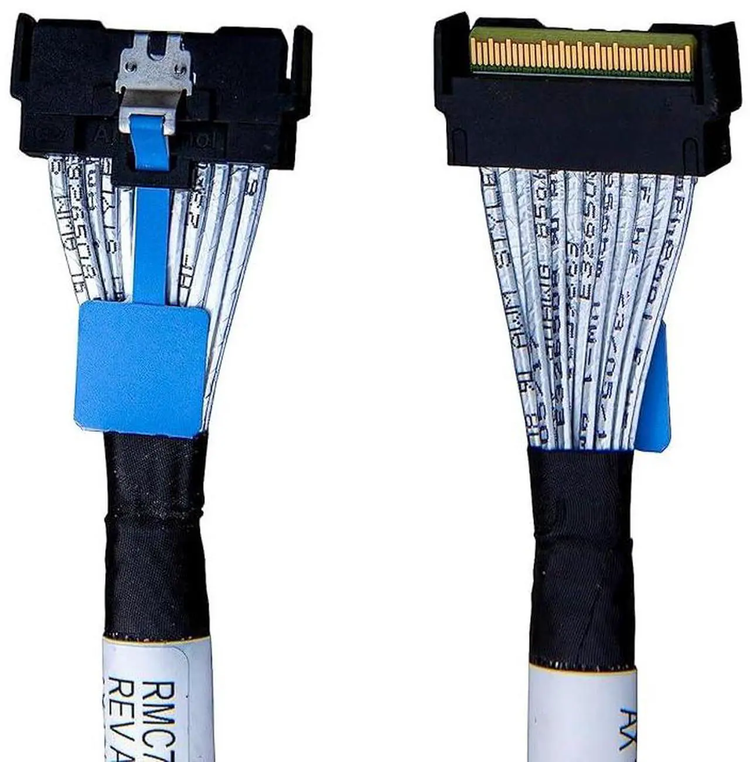
All of these fancy new connectors and additions to the standard that I’ve mentioned are already found in the enterprise world: data center hardware already harnesses these connectors, they often don’t use the standard PCIe connector at all.
PCIe 5.0 already ran too hot, and PCIe 6.0 storage devices have all the signs that they might be even hotter.
PCI-SIG has said outright that backward compatibility remains one of the core goals of PCIe 8.0, and judging by the rest of the language in the draft, it seems like they plan to accomplish that the same way they always have: better materials, tighter mechanical tolerances, shorter electrical paths, and more redrivers per link rather than a full-on slot replacement.
The current way consumers use PCIe really just reinforces that. Most GPUs and storage don’t even come close to saturating a PCIe 5.0 x16 connection, so worrying about PCIe 8.0 necessitating a motherboard upgrade for you is needless. By the time PCIe 8.0 trickles down to consumer boards (which will almost certainly be well into the 2030s), whatever connector decisions get made will have had years to settle.
For the average PC builder, none of this is worth losing sleep over. Your current motherboard isn’t going obsolete because of a draft specification that won’t be ratified until 2028 and won’t reach consumer hardware for years after that. PCIe 5.0 still has room to run on the desktop, and by the time PCIe 8.0 becomes relevant to anyone buying a gaming rig, the connector question will have long since been settled by the server market that gets there first.