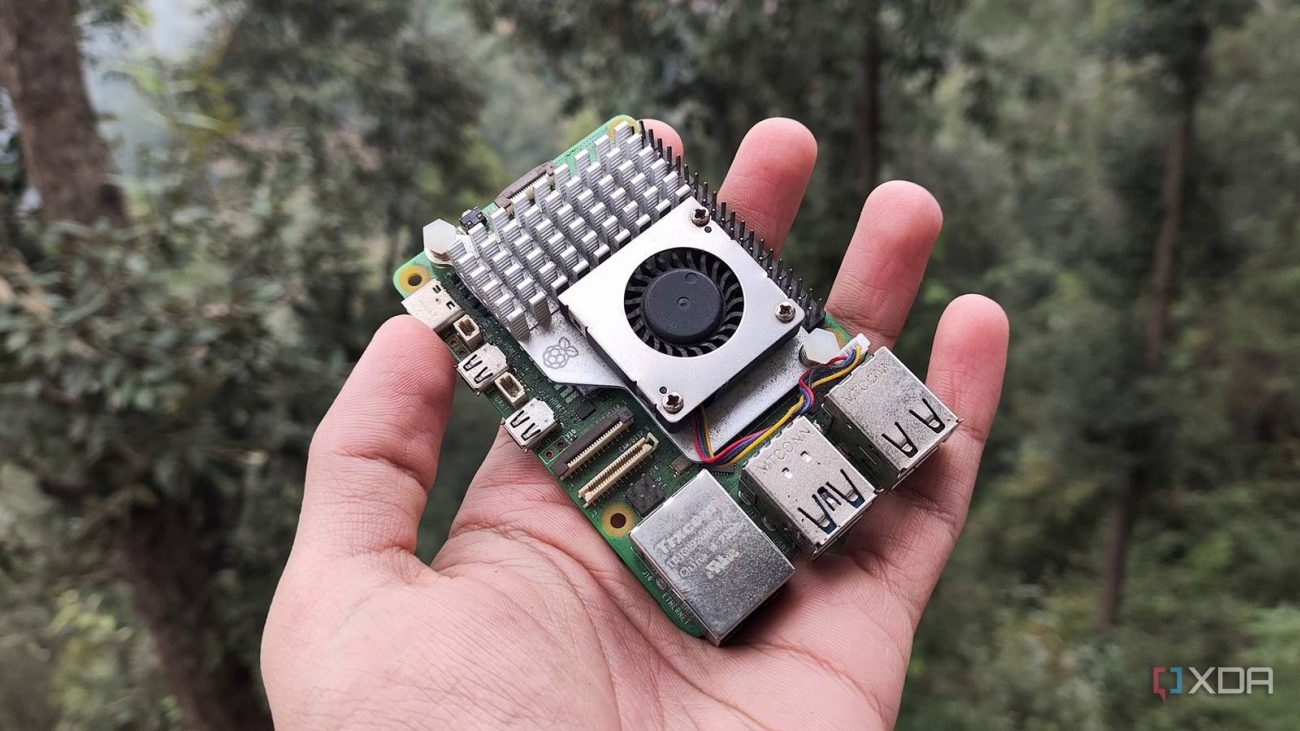
The topic Raspberry Pi OS is getting a new security measure, and people are already annoyed is currently the subject of lively discussion — readers and analysts are keeping a close eye on developments.
This is taking place in a dynamic environment: companies’ decisions and competitors’ reactions can quickly change the picture.
Adding new security measures to a piece of beloved software is always a double-edged sword. On one hand, the extra layer of defense makes it harder for malicious actors to get into the system or spread viruses. On the other hand, people who are already veterans with the software and perhaps have their own security measures get a little peeved that their workflow has been tampered with.
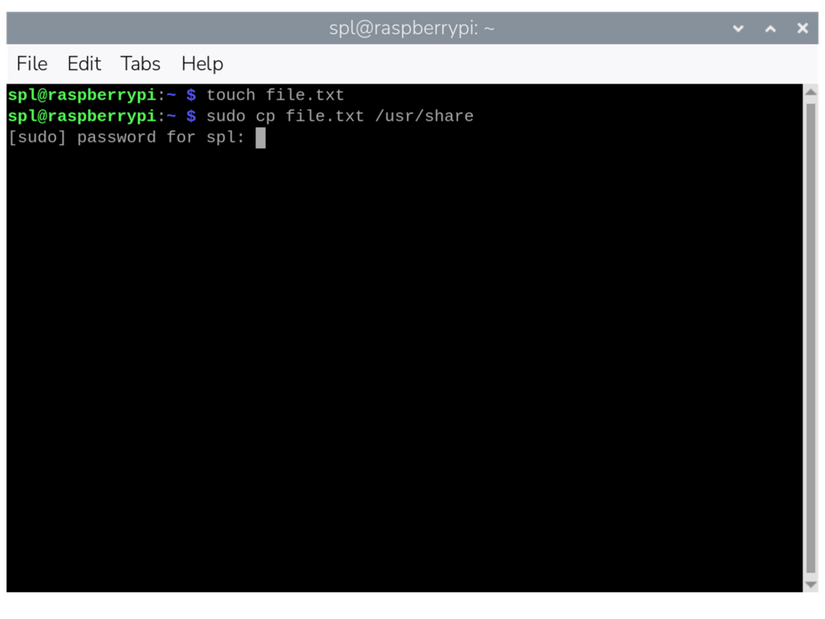
Such is the case with Raspberry Pi OS, with the foundation forcing the operating system to always ask for a sudo password when performing a super-user action. And while the practice isn’t exactly controversial, some people aren’t pleased to hear that they’ll need to jump through an additional hoop to run their elevated commands.
Secure your Raspberry Pi to avoid unauthorized access and potential vulnerabilities using the strategies highlighted below.
As announced on the Raspberry Pi blog, the foundation has released a new update to the official Raspberry Pi OS. Beforehand, when you wanted to run a superuser command (which is required to perform changes on sensitive areas of the OS and is invoked with the command ‘sudo’), Raspberry Pi OS would let you do it without any further authentication. However, with this update, that’s about to change. As the blog puts it:
From this release onwards, passwordless sudo is disabled by default. If you use sudo for administrator-level access, you will be prompted to enter the current user’s password. In the terminal, the password prompt will appear as soon as you issue a sudo command. If you enter the correct password, the command will proceed as normal; if you enter an incorrect password, the command will be refused.
The foundation notes that this only affects new setups. If you enter the password correctly, Raspberry Pi OS won’t ask you for a sudo password again for the next five minutes, so you won’t be spammed by requests when performing a series of commands.
While some people in the comments section of the blog post are supportive of the change, others aren’t so pleased. One user claims, “If you wanted to annoy users, you have gone about this the best way possible,” while another says it’s a “pretty lame change.” Regardless, more protection against unauthorised access and file editing is always welcome.
Installing apps on Raspberry Pi is not as hard as it might seem. The five methods below will help you do the installation easily.