Science
-
Science
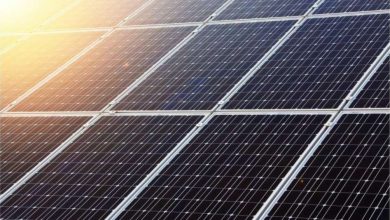
Battery Breakthrough Could Make Solar Panels Cheaper and More Powerful
A new salt-forming method gives perovskite solar cells a record 27.2% efficiency and improved long-term stability. A new ion-balancing method…
-
Science
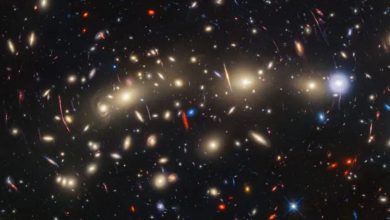
James Webb Telescope May Have Spotted First Generation of Stars in the Universe
JWST observations suggest Population III stars may have formed 13 billion years ago, helping trace early galaxies. Population III stars,…
-
Science
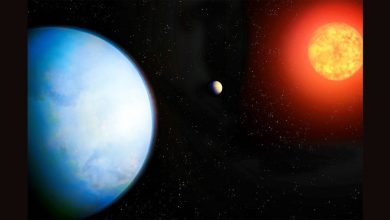
Nearby Super-Earth GJ 251 c Could Help Learn About Worlds That Once Supported Life, Astronomers Say
GJ 251 c, a super-Earth 20 light-years away, is a prime candidate to search for alien life. GJ 251 c,…
-
Science
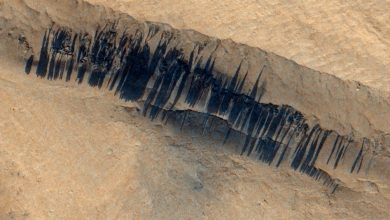
Intense Solar Storm With Huge CMEs Forced Astronauts to Take Shelter on the ISS
A powerful November 2025 solar storm generated stunning auroras but also heightened radiation in orbit. Severe solar storm triggered auroras,…
-
Science

Supernova’s First Moments Show Olive-Shaped Blast in Groundbreaking Observations
New supernova observations show a lopsided blast, providing insights into how massive stars explode. Early supernova data show asymmetric, olive-shaped…
-
Science
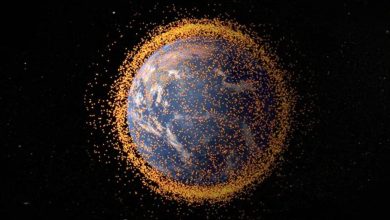
China and NASA Coordinate to Avoid Satellite Collision for the First Time
In a first, China’s space agency (CNSA) warned NASA of a possible satellite collision, offering to adjust its craft’s orbit.…
-
Science

Antarctica Nears Irreversible Climate Tipping Point, Scientists Warn
Scientists warn Antarctica is nearing irreversible tipping points as rapid melting and ice shelf collapse threaten a 3m sea-level rise.…
-
Science
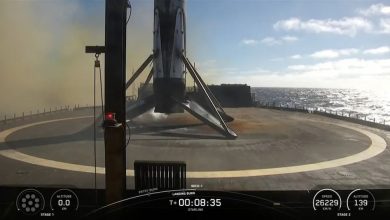
SpaceX Boosts Starlink Network with 28 New Satellites from California
SpaceX successfully launched 28 Starlink satellites under mission Group 11-14 from Vandenberg, California. Falcon 9 lands on drone ship after…
-
Science
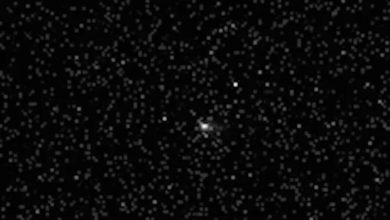
China’s Tianwen-1 Captures Rare Interstellar Comet From Orbit Around Mars
China’s Tianwen-1 captures interstellar comet 3I/ATLAS, showcasing Mars-based deep-space imaging success. The interstellar comet 3I/ATLAS, imaged from Mars orbit by…
-
Science
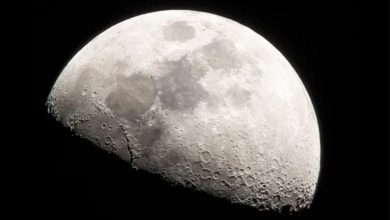
Scientists Just Solved the Mystery of the Moon’s Lopsided Dust Halo
Research shows the Moon’s dust halo is thicker on the sunlit side because warm soil launches more dust during daytime…