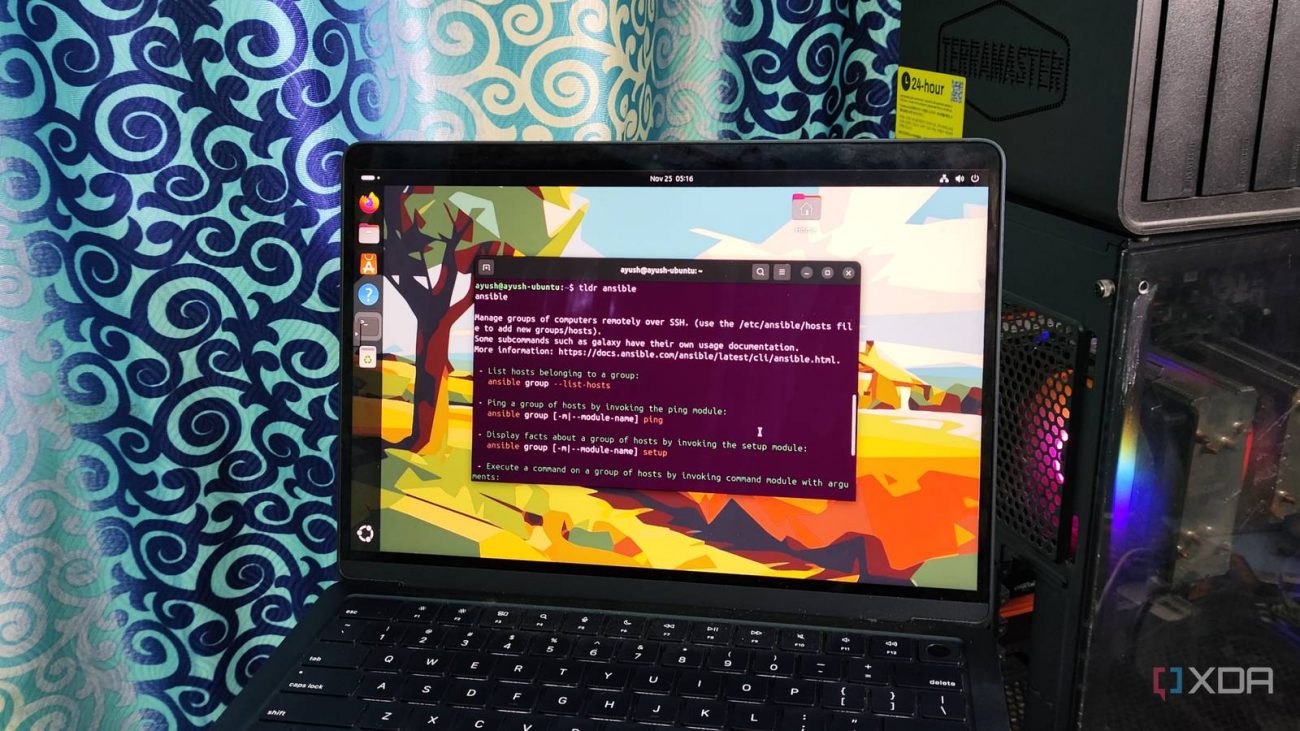
The topic Google Drive is disappearing from Ubuntu’s file manager, and it’s a bigger… is currently the subject of lively discussion — readers and analysts are keeping a close eye on developments.
This is taking place in a dynamic environment: companies’ decisions and competitors’ reactions can quickly change the picture.
Have you tried using Google Drive via Ubuntu’s file manager lately? If so, you’ve likely noticed that it has gone missing. At first, it’s a little strange, as Linux is not usually an operating system known for removing useful features instead of adding them. However, when you dive into why this happened, you start to see that this was by no means an overnight change. This had been brewing for years now, and the only people we can really blame are ourselves.
In case you missed it, people have been checking out Ubuntu 26.04. As part of the update, users have noticed that the Google Drive implementation has gone missing. Beforehand, you could attach your Google account to GNOME, and it would let you see your Google Drive files in your file explorer like it was local.
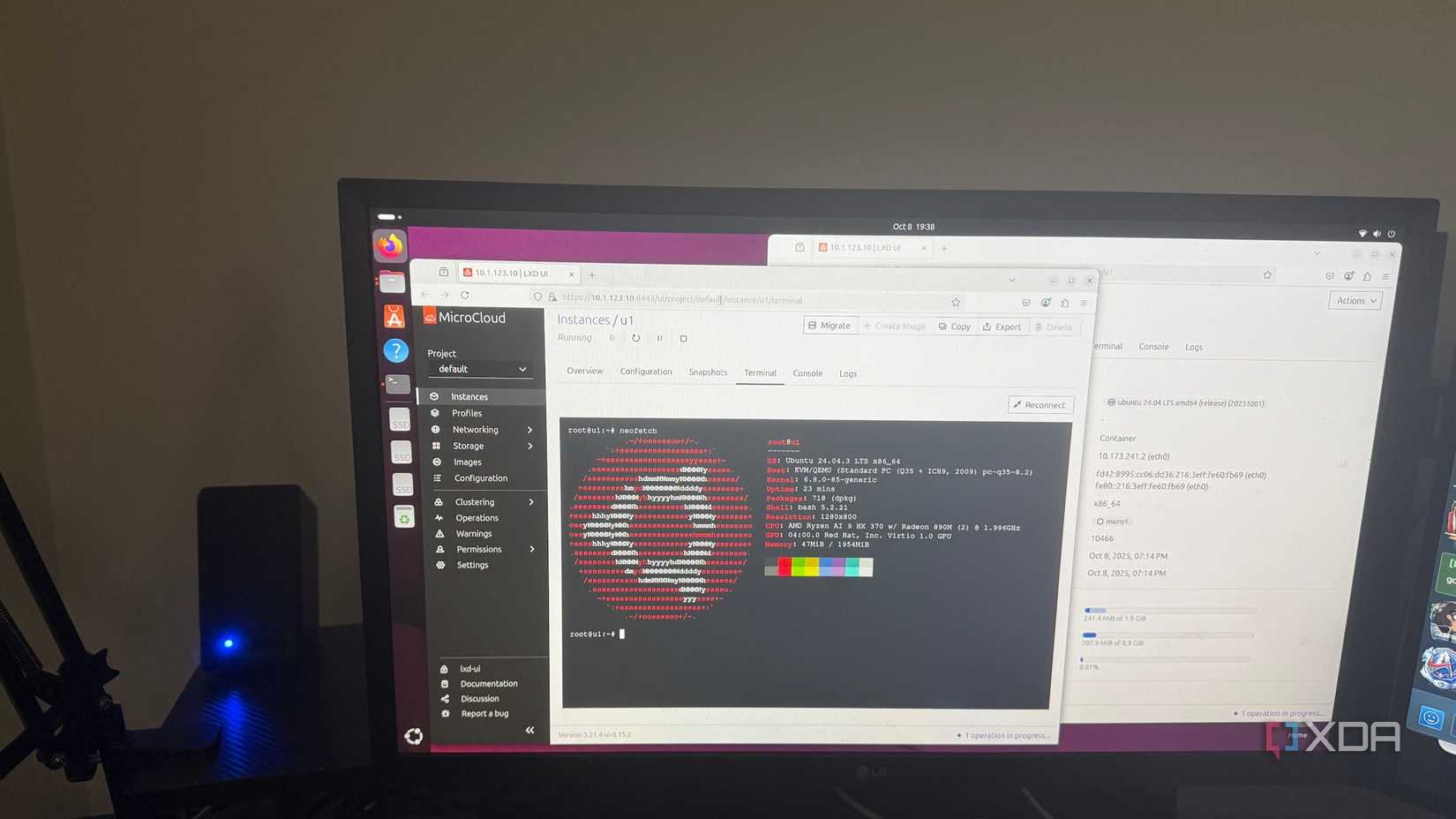
After the update, people began to notice that the Google Drive functionality stopped working. The other parts worked—Ubuntu would still let you access your Google mail, contacts, and calendar by signing in through the OS—but the Drive functionality was gone. People began wondering why it was missing, and began reporting it as a bug; however, as it turns out, not only was this not a bug, but it was something we could have stopped years ago, but didn’t.
So, why did it go away? Well, it actually isn’t an issue with Ubuntu; it’s a problem with GNOME 50. However, before you point fingers at the GNOME developers, there’s a very good reason as to why the handy feature went missing. In a reply to a bug report based on Google Drive’s disappearance, Emmanuele Bassi of the GNOME team revealed why they removed it:
It is no longer supported, unfortunately. Libgdata, which was used to handle integration with some Google online services, has been unmaintained for nearly 4 years. GVFS has disabled the dependency by default by default 10 months ago, and GNOME Online Accounts checks for that.
If people wish to work on restoring this functionality, they can reach out to the GVFS maintainer.
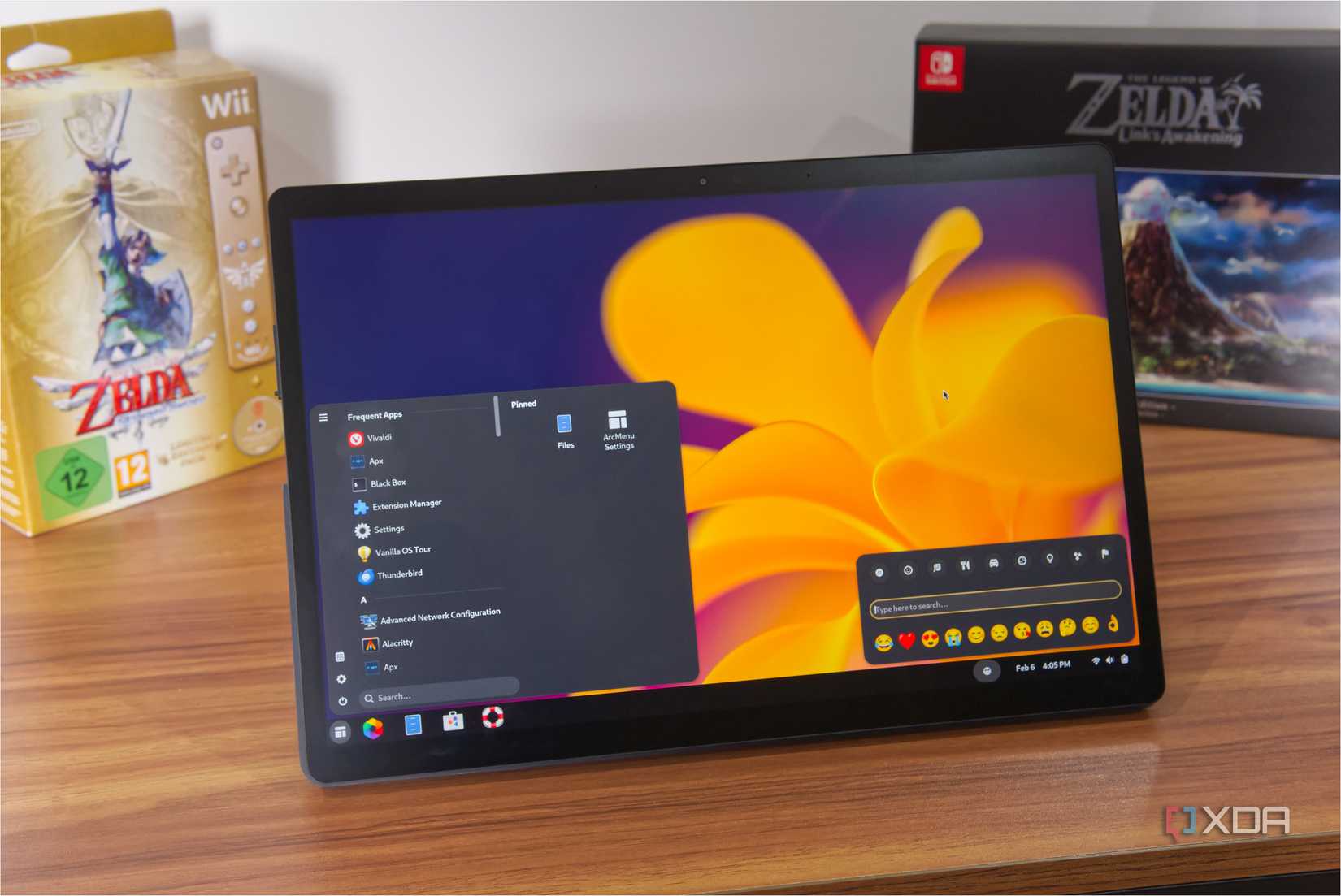
Yes, you read that correctly; not only did nobody step up to maintain the Google Drive feature in GNOME, but the team gave people almost four years to hop in and keep the code running. As such, the GNOME team was forced to remove the feature entirely.
At first glance, it seems like an open-and-shut case. GNOME looked for a maintainer for almost four years; nobody wanted to do it, so they canned it. However, after seeing everyone’s reaction online to the news of its removal, it really showed how people appreciate the features that come with their OS, but are less than enthusiastic to ensure that it’s supported for the foreseeable future.
It’s a big wake-up call that these operating systems are community efforts. These are not big businesses with a ton of money to throw at problems (well, okay, some distros have that kind of backing, but that’s beside the point). These are volunteers who are putting in time and effort to ensure we have an excellent alternative to proprietary software. And when people take that for granted, things that people don’t want to go missing, go missing.
Of course, not everyone is cut out to program for an operating system. I don’t expect every single person who lamented the lack of Google Drive in GNOME 50 to grab their keyboards and get to work. However, people can still help by writing documentation, bringing attention to issues, or even financially supporting the projects they love to ensure the developers have the cash to achieve what they want.
The worst part of looking at something and saying “Not my problem” is when it balloons to the point where it becomes your problem. People clearly wanted to have the Google Drive integration in GNOME, but the lack of support meant it had to go away. If you’re using open-source software, see if you can help out in any way, even if it’s just throwing a buck or two their way every so often. A little goes a long way to maintain the software we enjoy on a daily basis.