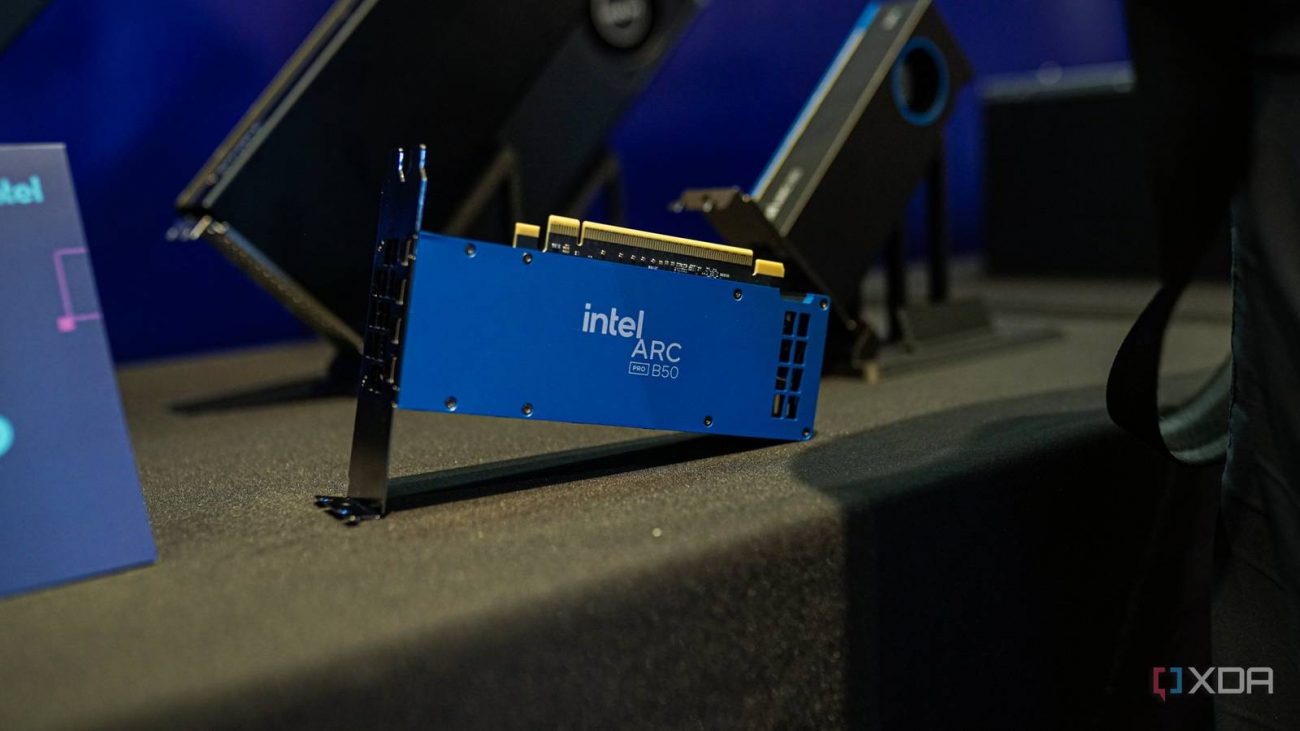
The topic When AAA game developers block entire GPU brands, PC gaming loses its biggest… is currently the subject of lively discussion — readers and analysts are keeping a close eye on developments.
This is taking place in a dynamic environment: companies’ decisions and competitors’ reactions can quickly change the picture.
One of the most defining aspects of PC gaming has been the ability to choose whatever hardware you want. As long as your PC meets the minimum system requirements, no matter who the publisher is, your games should run. It’s a simple rule, and it’s this very reliability that has served as the platform’s cornerstone for multiple generations.
This long-standing precedent almost found itself in jeopardy. A major developer recently made headlines, for all the wrong reasons. Rather than working through the usual optimization journey, they decided to take a different approach that left a small, nevertheless, significant portion of PC gamers locked out of an AAA experience—at least before all the backlash.

Crimson Desert, which currently sits in the top 10 most played games on Steam right now, was off to a rocky start when it came to compatibility. The developer, Pearl Abyss, had confirmed the game did not support Intel Arc GPUs at the time. What made this issue significantly worse was the fact that the developer did not attempt to provide a resolution or timescale for future optimization at the time, and instead stated unabashedly in their FAQ: “Crimson Desert currently does not support Intel Arc graphics cards. If you purchased the game expecting Intel Arc support, please refer to the refund policy of the platform where the game was purchased for available options.”
It’s difficult to think of another instance in gaming where a developer has outright refused to support an entire brand of GPUs. Forum speculations ran wild as to why an entire user base had been locked out of a major release, but Intel’s own statement made it clear that the lack of support wasn’t on their end. In a statement to Wccftech, Intel said that they had offered hardware, drivers and direct engineering help across multiple GPU generations. Pearl Abyss, however, had different ideas, until much later.
The initial backlash likely caught the developers off-guard, but it was certainly loud enough to change things. On March 23, Pearl Abyss announced that it was working on compatibility for Intel Arc GPUs, walking back its earlier position. The statement that ruled out Arc support was also removed from their FAQ, replaced with a message asking users for their patience while the team prepared what they described as a “smooth and stable” experience for Arc users.
The community, however, isn’t exactly celebrating at the moment. While the blocks have been lifted and the game launches on Arc hardware, it is far from what one would refer to as a “gameplay” experience. One user on Reddit described the game being rendered entirely in blue, with no textures, colors, and just a broken visual output. Suffice it to say, the “smooth and stable” experience that Pearl Abyss aims to offer Arc users still seems to be underway, with a long way to go.
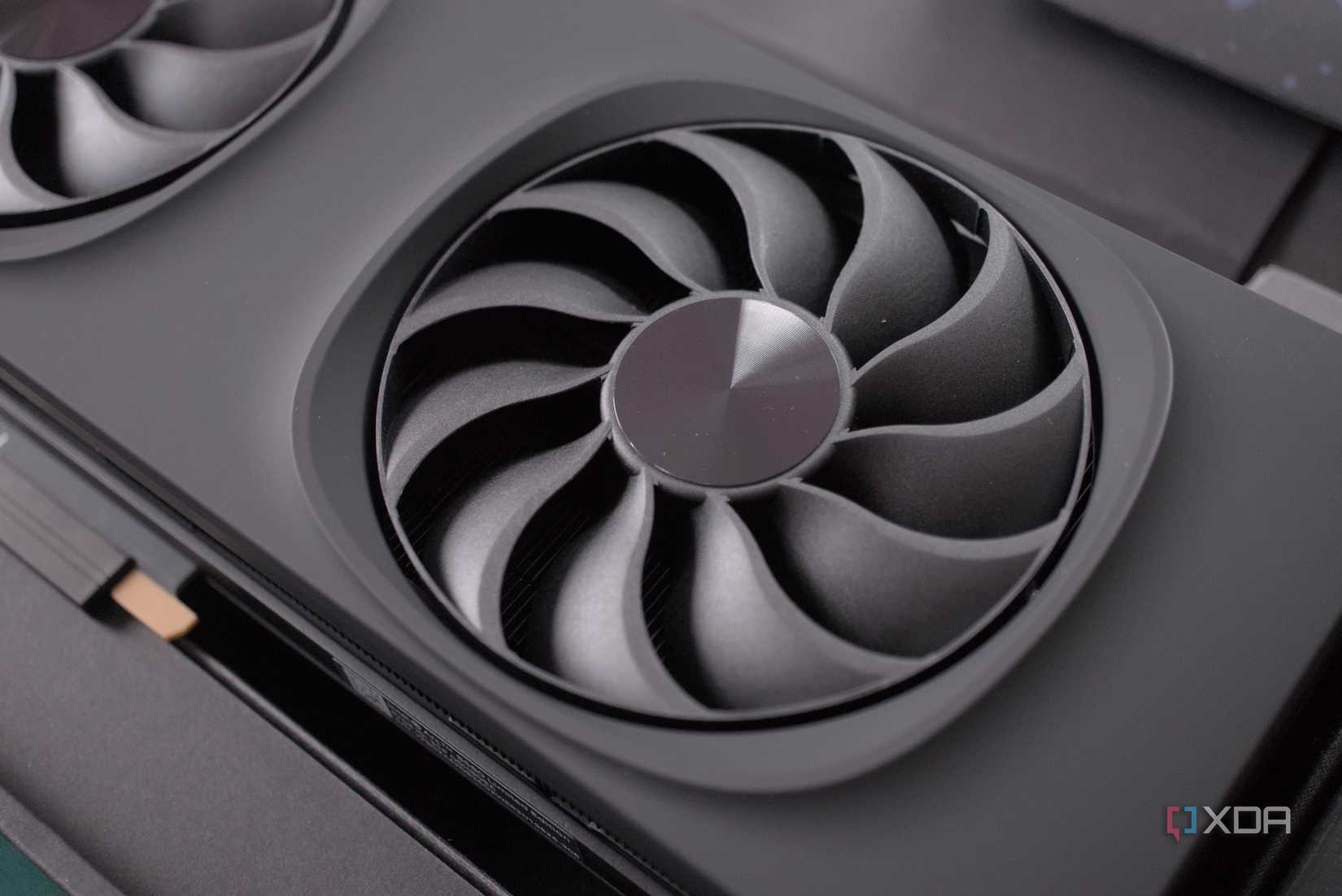
The implications of such developer practices, if sustained, can be a problem for the PC ecosystem. Intel Arc only recently crossed 1% market share in the discrete GPU market, which is a modest milestone, but nonetheless, meaningful in a market that has been a two-horse race for many years. Moves like this have very real potential to push that number back down before Team Blue gets the chance to grow in a competitive retail space.
It’s also important to note here that Arc GPUs have a specific space in the market. They are budget-friendly options that appeal majorly to cost-conscious buyers, and across forums, that’s almost always who you’ll find running them. When a major release tells the demographic to go ask for a refund, it has a very real possibility of influencing purchase decisions further down the line.
If consumers, indeed, start associating Intel hardware with compatibility uncertainty, the “safer” choice becomes an AMD or Nvidia GPU, and that’s a problem for everyone. Almost every hardware enthusiast who has been watching the market is aware that competition in the GPU market is what keeps prices in check and drives innovation forward, and AAA game developers, in that respect, have a moral responsibility to make their titles accessible to all.
When a major release tells the demographic to go ask for a refund, it has a very real possibility of influencing purchase decisions further down the line.
While Pearl Abyss eventually had to come around (thanks to the community backlash), the conversation this particular situation sparked goes much deeper than the action of one developer. The PC has always been heralded as an open platform, wherein anyone with the right specs is welcome to play any game or run any software as long as the requirements set by the developers are met. But what happens when one of these “requirements” becomes simply having the right brand name on your GPU? Certainly, nothing good.