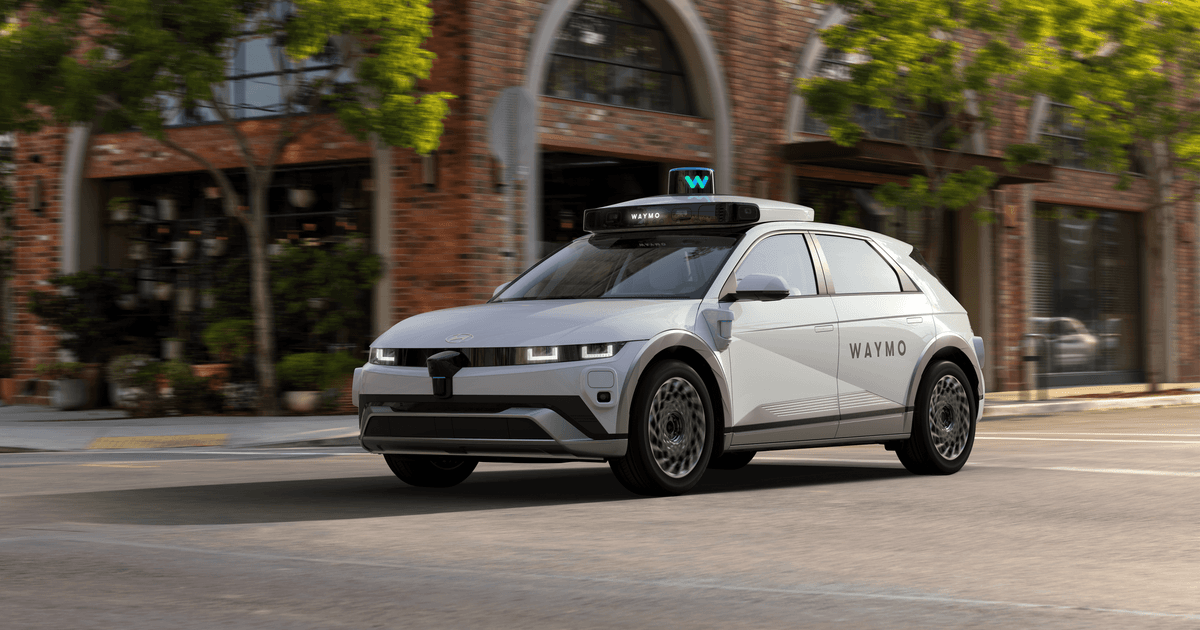
The topic Self-driving cars will no longer go scot-free in California as penalties go into… is currently the subject of lively discussion — readers and analysts are keeping a close eye on developments.
This is taking place in a dynamic environment: companies’ decisions and competitors’ reactions can quickly change the picture.
For years, California’s streets have hosted a quiet double standard: a human driver caught making an illegal U-turn got a ticket, but a driverless car doing the same thing got away with it, with perhaps a call to the manufacturer. That changes now.
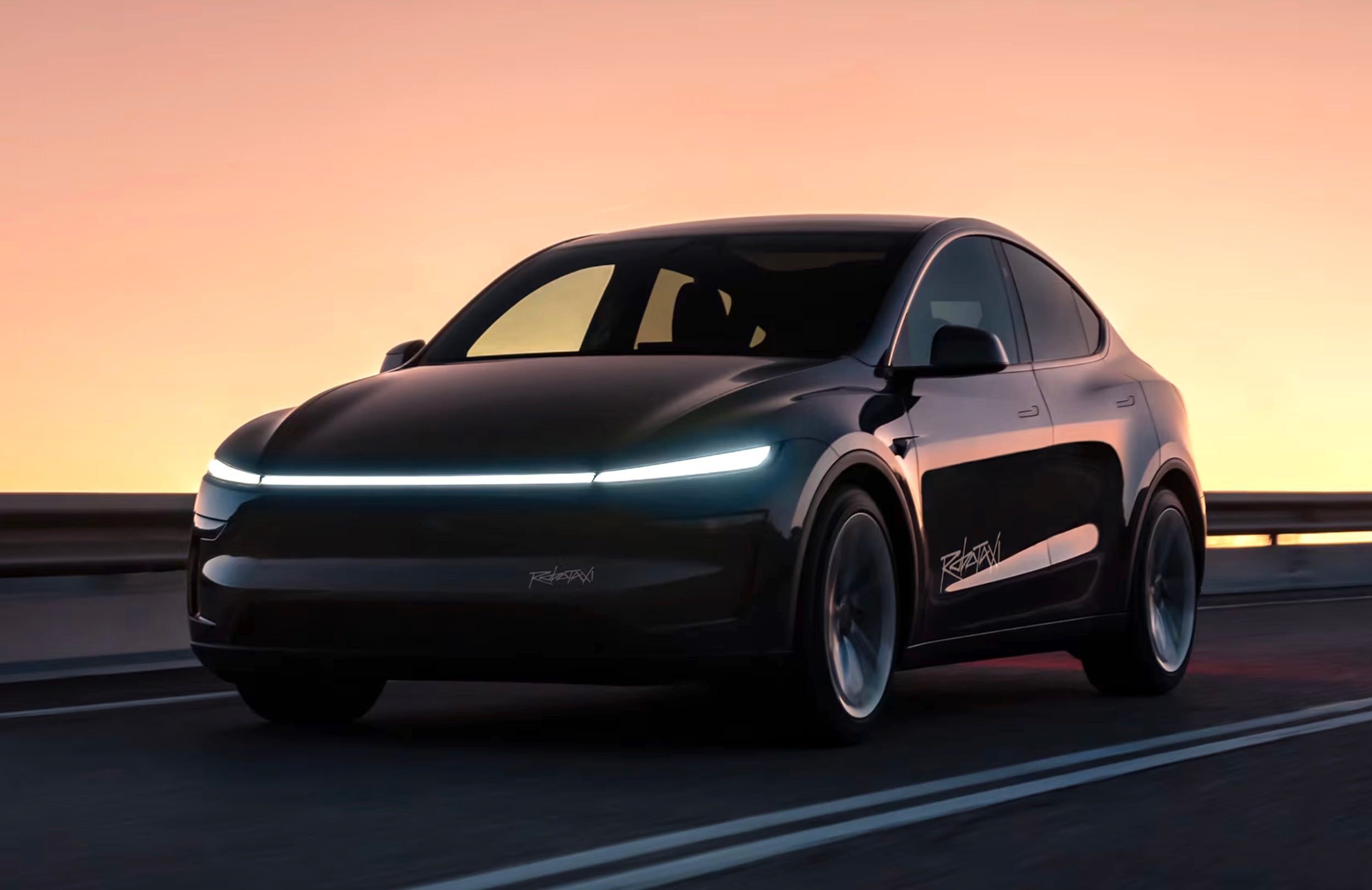
The California DMV has announced what it calls the most important autonomous vehicle regulations in the United States. For the first time, self-driving cars can now be formally cited for breaking traffic laws (via Futurism).
Quite a lot, actually. Under the new rules, authorities can issue a “Notice of AV Noncompliance” directly to manufacturers whenever their autonomous vehicle (AV) commits a moving violation. All the notices add up as a formal paper trail that feeds into the DMV’s permit review process.
Beyond traffic citations, AV companies are bound to respond to first-responder calls within 30 seconds, provide access to manual override systems, and comply with emergency geofencing directives (clearing restricted zones within two minutes of being notified).
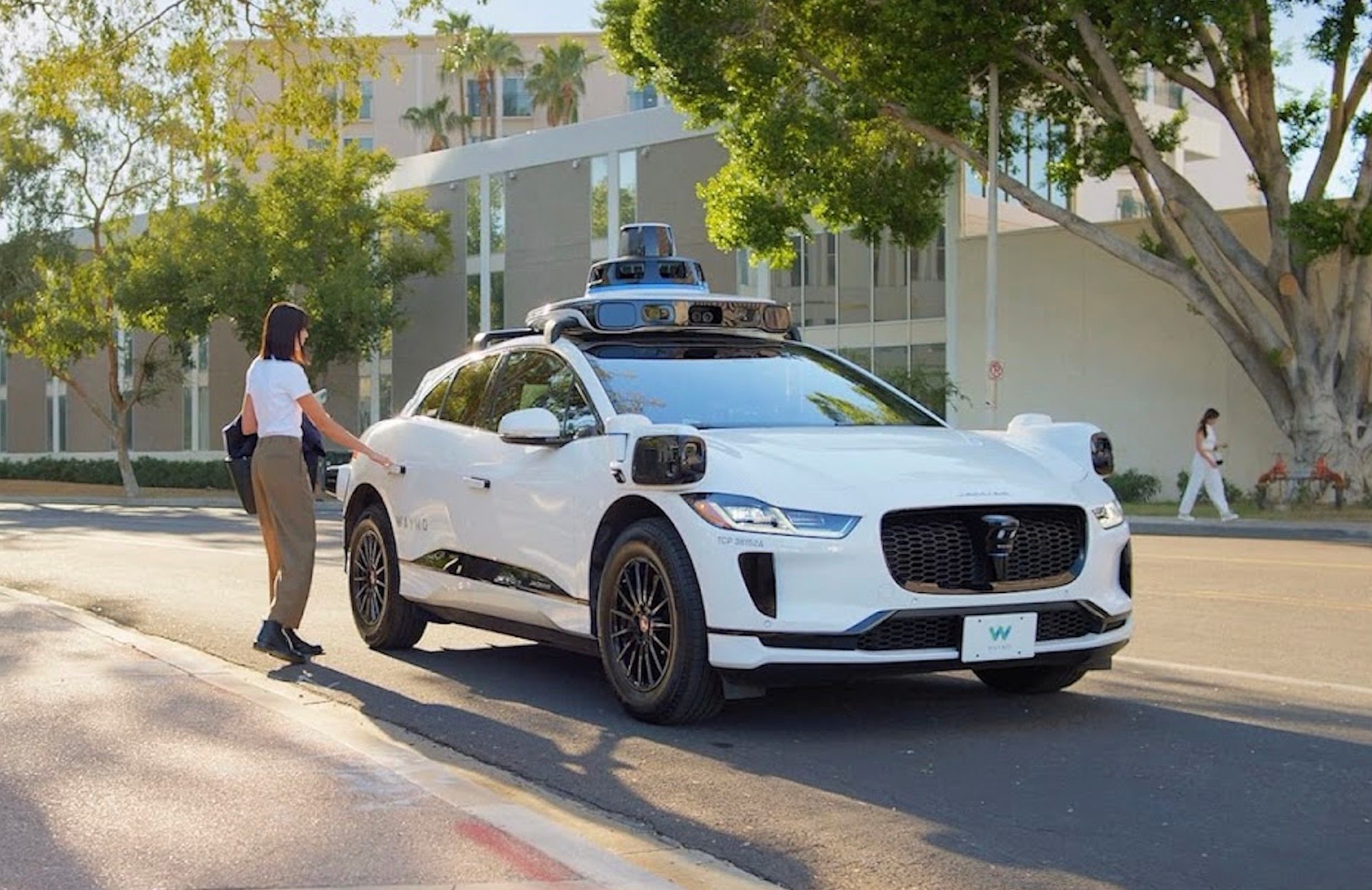
If self-driving carmakers fail to comply, they risk suspension of permits, fleet size restrictions, speed caps, and geographic operation limits, all of which could have a negative effect on the companies’ operations and revenue.
The same set of regulations also opens California roads to heavy-duty self-driving vehicles for the first time, with new permits now available for trucks weighing over 10,000 pounds. Aurora, which has been operating autonomous freight trucks in Texas, has welcomed the development.
What’s good is that AV companies have until summer 2026 to comply with the new communication, after which, the DMV’s enforcement kicks in. Given that the robotaxi services in America are scaling quickly, establishing a citation system tied directly to operating permits could keep things in check.
The regulations, in totality, were partly inspired by a September 2025 incident in San Bruno, where police were powerless in front of a Waymo that had allegedly made an illegal U-turn, and by repeated cases of robotaxis clogging emergency response routes across San Francisco.