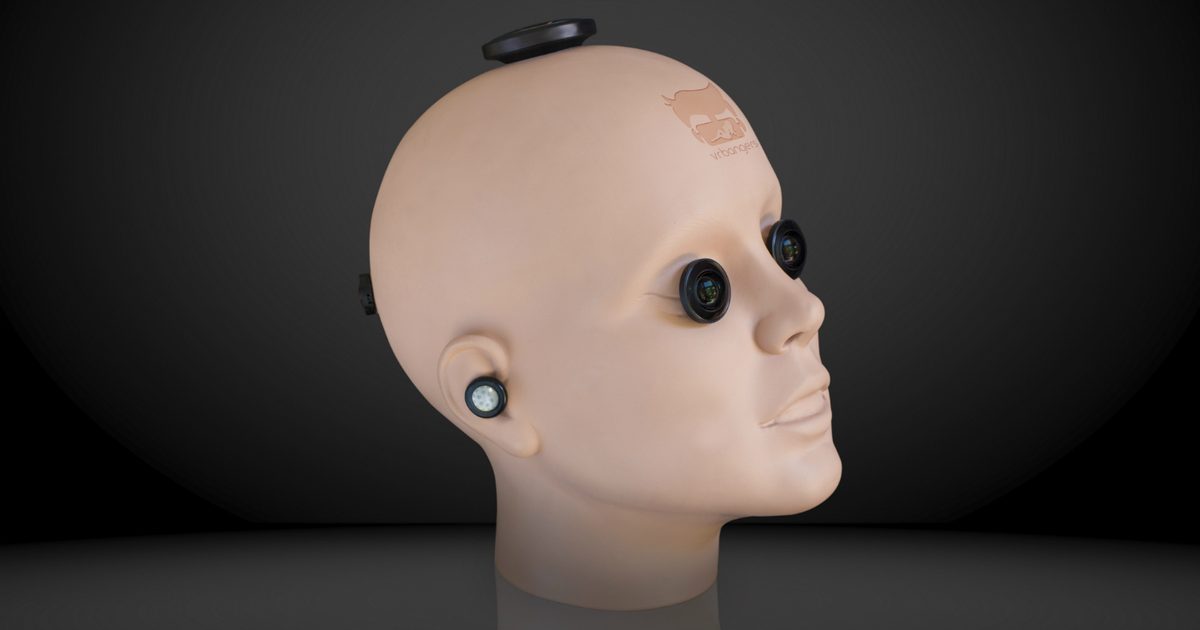
The topic After Face unlocks and fingerprint, skull vibrations could be your next password is currently the subject of lively discussion — readers and analysts are keeping a close eye on developments.
This is taking place in a dynamic environment: companies’ decisions and competitors’ reactions can quickly change the picture.
If you thought unlocking your devices couldn’t get any more personal, well…your skull would like a word. It all started with passwords, then PINs, then fingerprints, and finally face ID. Now, researchers are peering inside your head and wondering what if your identity could be confirmed by the way your body hums? A team led by Yingying Chen at Rutgers University has built a system called VitalID. This system listens to the tiny vibrations caused by your breathing and heartbeat — vibrations that travel through your skull in patterns as unique as your fingerprint. Yes, your skull now has a signature. Who knew?
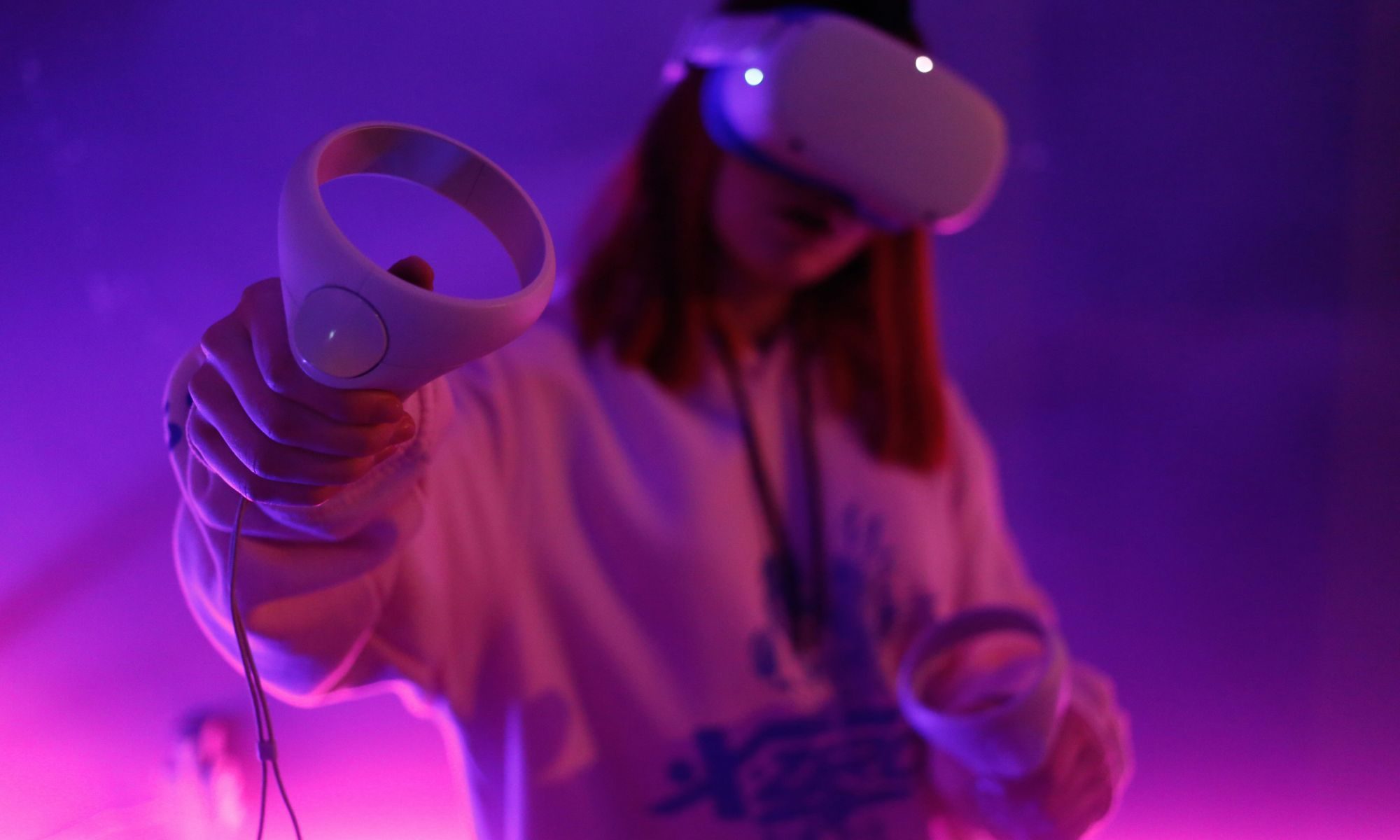
Your body is never actually still. Even when you’re sitting motionless, your heartbeat and breathing are sending subtle ripples upward through your neck and into your head. Your skull, because it’s shaped differently from everyone else’s, slightly alters those vibrations. It’s like having a deeply personal biometric that you didn’t even know you had.
And unlike typing passwords, this system works in the background. You just have to keep on existing — the headset will do the rest for you.
This matters because we’re slowly stepping into a world built around extended reality (XR), which includes virtual, augmented, and mixed reality. And no, it’s not just about gaming anymore. This is inching toward everyday life: work meetings, shopping, even medical consultations. So when your headset starts storing things like bank details, medical records, and work files, security becomes non-negotiable.
Logging into these systems right now is a major problem. That’s where VitalID uses your own body as the key, continuously verifying you in the background without requiring you to stop and log in every 5 minutes.
In testing, it worked surprisingly well: over 95% accuracy in recognizing the correct user and over 98% in keeping impostors out. That’s certainly impressive for something that relies on the rhythm of being alive. Which reminds me that you can fake a smile, maybe even trick a camera with a photo, but mimicking the exact biomechanical quirks of someone else’s skull? That’s a whole different level of impossible.
Of course, the idea of your headset constantly “listening” to your body might raise a few eyebrows. But from a purely technological standpoint, it’s kind of brilliant. It’s actually just software making use of signals your body is already generating. So yes, the future of logging in might not be something you do anymore. It might just be something you are. And if that sounds slightly invasive and incredibly cool at the same time, well, welcome to the future.