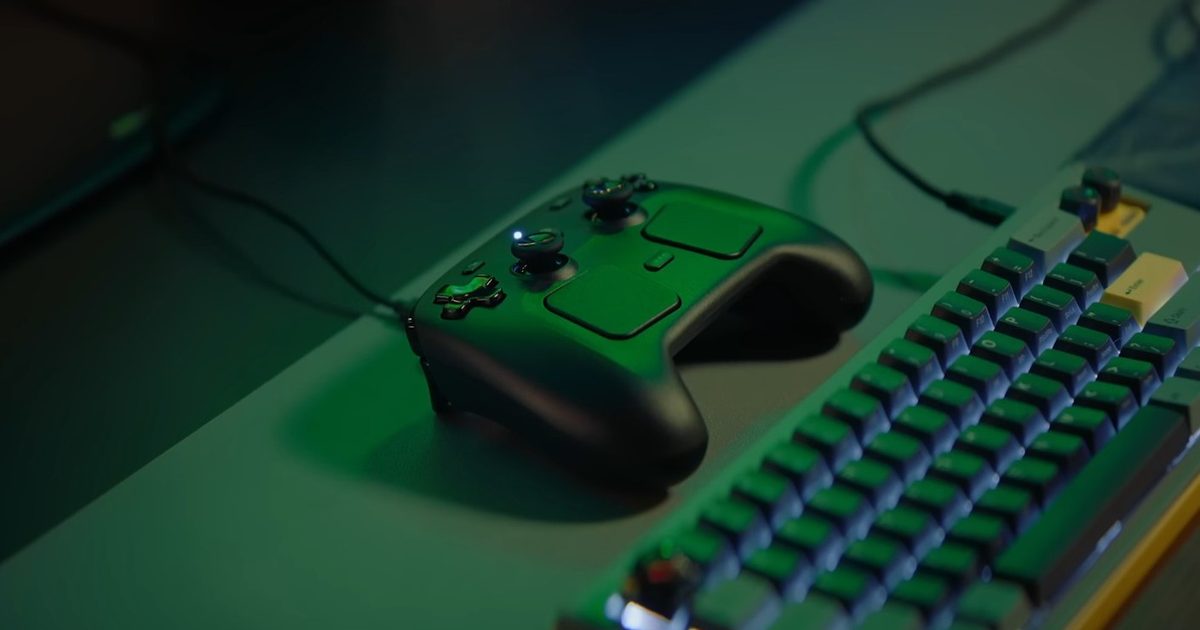
The topic Yet another Steam Controller leak predicts an imminent launch for Valve’s next-gen… is currently the subject of lively discussion — readers and analysts are keeping a close eye on developments.
This is taking place in a dynamic environment: companies’ decisions and competitors’ reactions can quickly change the picture.
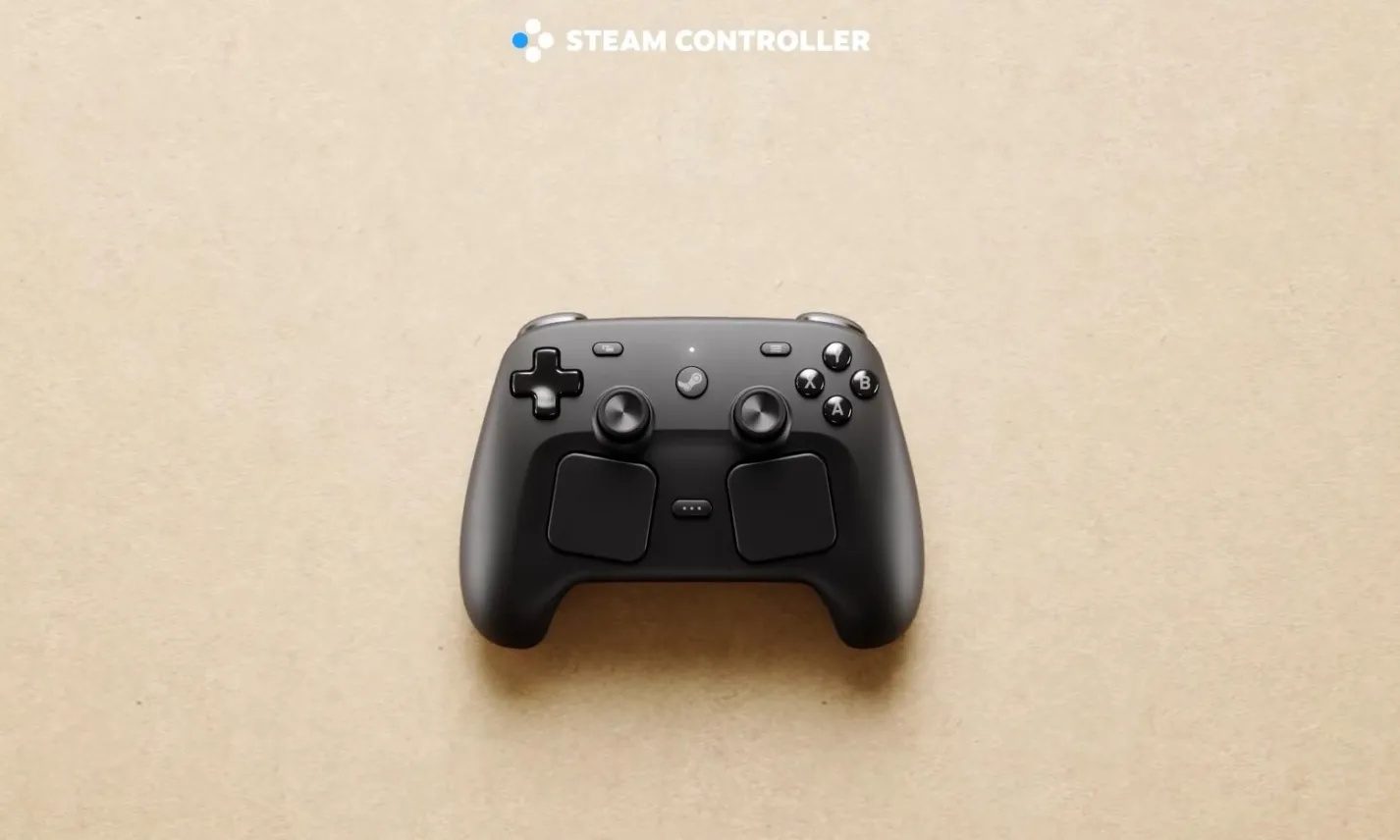
Valve’s upcoming hardware just got leaked again. This time around, we got a potential launch date for the new Steam Controller. A newly surfaced report spotted by Notebookcheck points to a review published early by Japanese outlet 4Gamer, which was quickly taken down, but not before being indexed by search engines.
according to the data the translated snippets, the next-generation Steam Controller could launch in Japan as early as next week. While the release date hasn’t been officially confirmed, this does line up with the growing pile of recent leaks.
The leak reveals an official launch date of May 4. With the number of leaks building up, it won’t be a surprise if Valve is gearing up for an imminent release. Just recently, the upcoming Steam Controller had its pricing revealed—and for $99.99, it’s more expensive than the likes of Sony’s DualSense and Microsoft’s Xbox Wireless Controller.
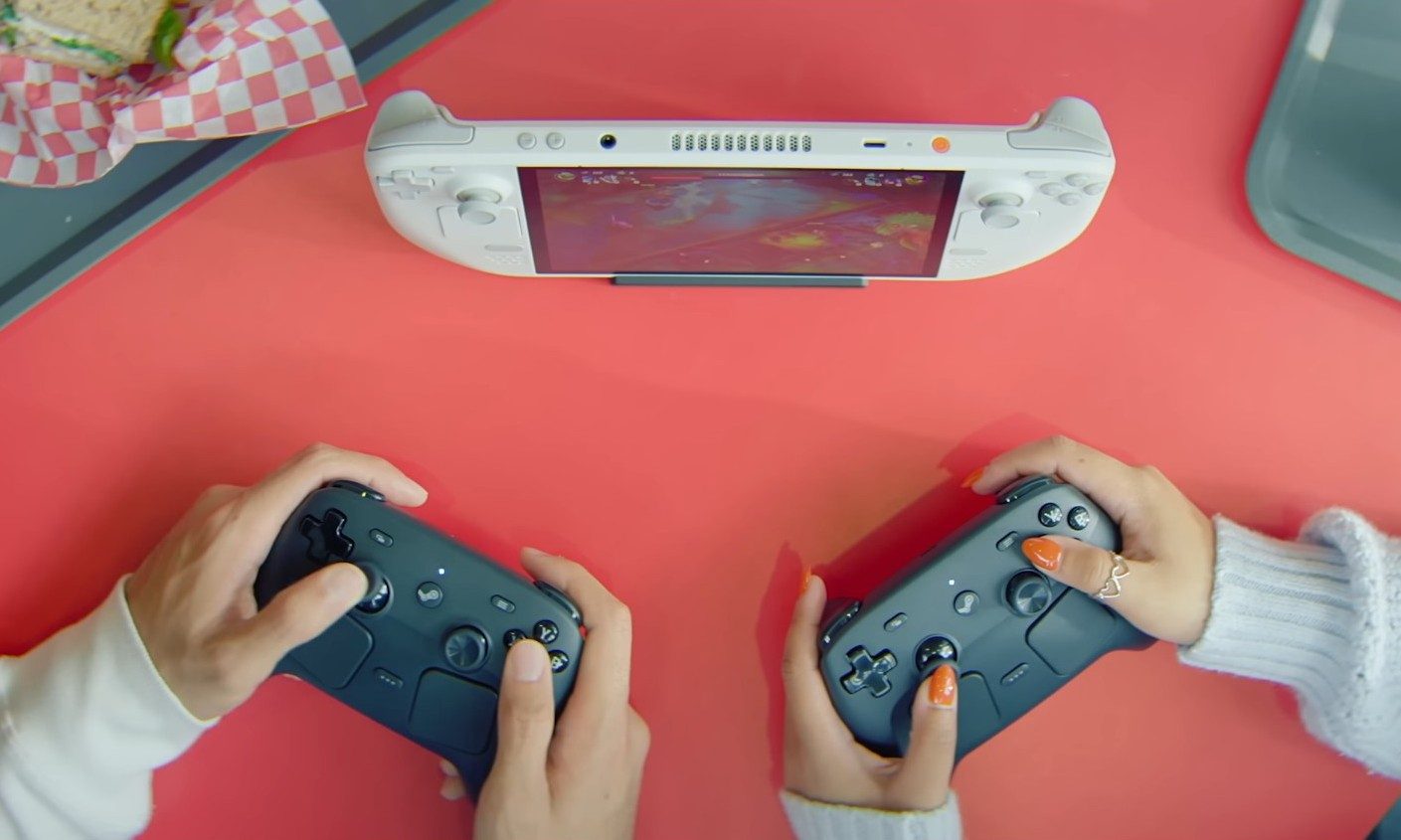
The updated version continues to lean into its unique identity, including dual trackpads and PC-focused input flexibility, a design philosophy that set the original apart. This design has been divisive, but it did carve out a niche among PC players who prefer couch gaming without giving up mouse-like precision.
The Steam Controller is a part of Valve’s upcoming range of gaming hardware. The rest of the lineup includes Steam Machine, Valve’s vision of a gaming PC-console hybrid, and the Steam Frame VR headset. But both of these have faced delays due to rising component costs and supply constraints. This makes the Steam Controller the first product from the new lineup to hit the market.
While many are waiting for the Steam Machine, the staggered rollout could help Valve regain some momentum and re-enter the hardware conversation without waiting on these more complex devices.