The topic Your PC’s front USB ports might be worse than useless if your case was designed… is currently the subject of lively discussion — readers and analysts are keeping a close eye on developments.
This is taking place in a dynamic environment: companies’ decisions and competitors’ reactions can quickly change the picture.
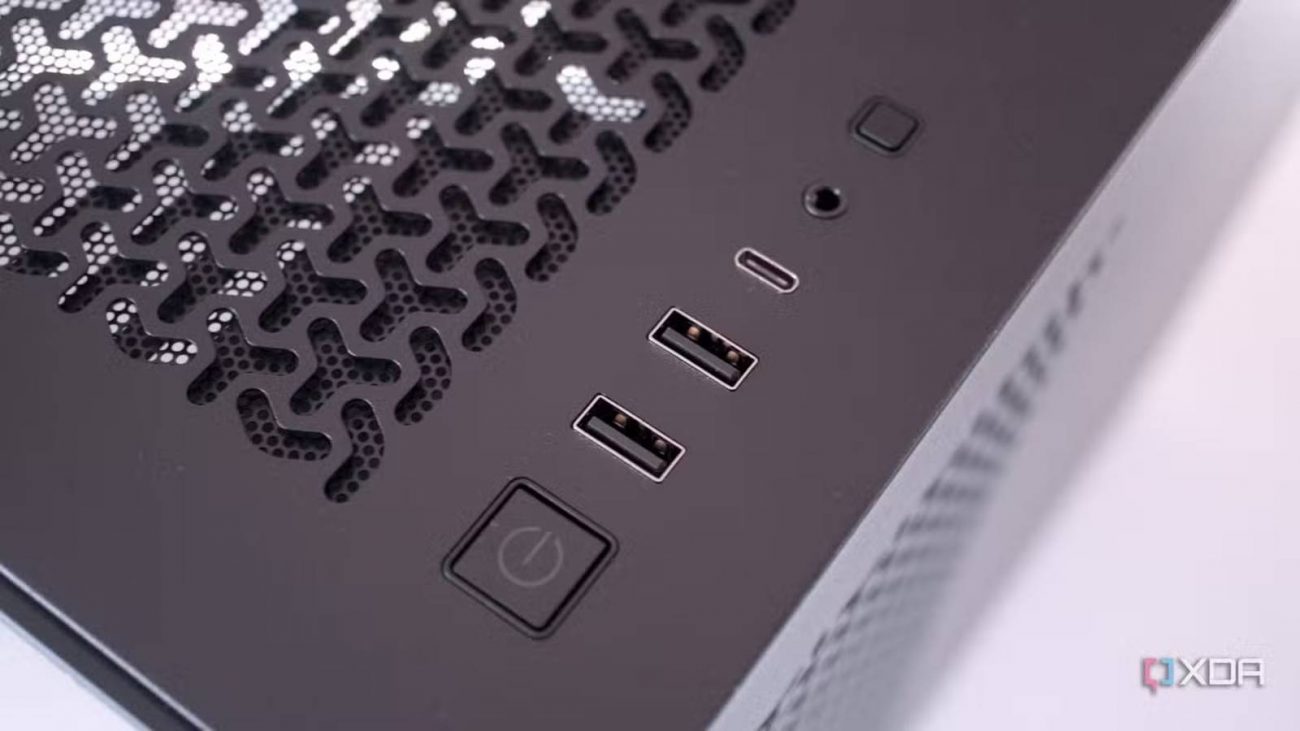
Cases from many hardware generations ago can easily house the hardware of today, and while that’s a large part of the appeal, it doesn’t come without pitfalls. One of those pitfalls is the front I/O, and it’s one of the most misunderstood parts of a desktop PC. It’s usually among the last things that you think about when buying a new case, and when most builders are carrying over an existing case from a previous build, it’s no wonder that it’s such an afterthought. USB has changed a lot, and plugging in a flash drive to transfer some files quickly can expose this quickly.
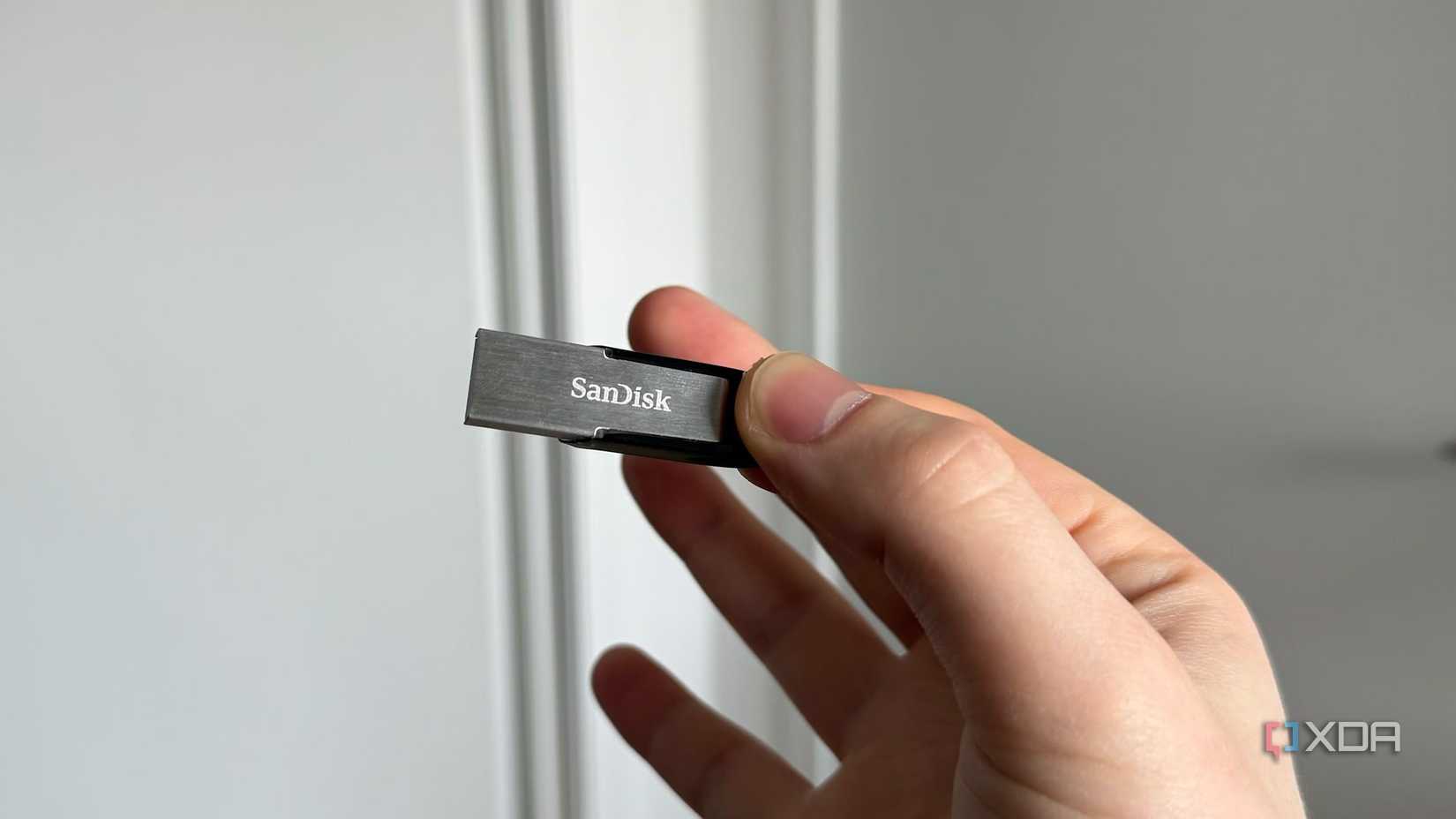
USB has changed enormously over the past decade, even if the ports themselves don’t always look any different. The jump from USB 2.0 to USB 3.0 alone represented a tenfold increase in theoretical transfer speeds: from 480 megabits per second to 5 gigabits per second. Things got more complicated from there, with USB 3.0 being rebranded as USB 3.1, then folded into the USB 3.2 specification, which added Gen 1 and Gen 2 tiers, and eventually Gen 2×2.
The naming scheme is a shambles, but the point is, the standard that governed front panel USB ports when many older cases were manufactured is now several generations behind what modern motherboards support. The internal headers on current motherboards have kept pace with improvements in the standard, but if you don’t have the front I/O to take advantage of those headers, you’re not going to get the speeds you otherwise could. That can mean a port that’s physically labeled as USB 3.0 or 3.1 on the front of your case is actually delivering USB 2.0 performance.
Nothing looks obviously wrong when using a USB 2.0 port for something like a peripheral, but it becomes very obvious once you try and use it for storage. Plugging in a USB 3.x capable drive and transferring some files into internal storage should show speeds at around 20-30 MB/s in a USB 2.0 port, depending on the data and the drive used. Contrast that with a true USB 3 port, and you should see speeds upwards of 400 MB/s.
Using your motherboard’s rear ports is a good way to find out if your front I/O isn’t getting the job done. Rear ports connect directly to the motherboard’s own USB controller and will almost always give you full-speed performance. If there’s a noticeable difference, the front panel is likely the culprit.
If your front ports are mainly used for charging a phone, connecting a wireless receiver for a mouse, or occasionally copying a small document, USB 2.0 is perfectly adequate. If you’ve checked your case and confirmed the front panel is holding you back, and you do want to address it, there are a few ways depending on how much effort you want to invest. The simplest is just to use the rear I/O for anything that requires bandwidth, but if you want a more permanent fix, PCIe expansion cards are available that add modern USB ports accessible from the front or top of a case, giving you fast connectivity without replacing the case itself. If your case is old enough to only have USB 2.0, there’s a good chance it has 3.5″ bays, which can easily be fashioned for more I/O. Internal header adapters also exist that can bridge older front panel connectors to newer motherboard headers, though compatibility can be inconsistent, and it’s worth researching your specific setup before buying.
If your case is genuinely aging and you were already considering an upgrade, this is a reasonable nudge in that direction. Modern mid-tower cases at a variety of price points now include USB-C front ports and USB 3.2 Gen 2 connectivity as standard features.
PC cases are carried through generations of PC hardware and used in many builds before being replaced, and that’s the way it should be. While it might fit all your new parts just as well as your old ones, the front USB ports on your case might be stuck in time, and perform much worse than what your motherboard allows for. Taking five minutes to look up your case model and check what standard its front ports actually support is one of the lower-effort things you can do for a build, and you have very practical options to fix it before you buy a new case.