The topic Dumb appliances are smarter than smart ones, and my home network finally proves it is currently the subject of lively discussion — readers and analysts are keeping a close eye on developments.
This is taking place in a dynamic environment: companies’ decisions and competitors’ reactions can quickly change the picture.
My smart home began to feel over-engineered and complicated, to the point where I was spending more time fixing problems than utilizing automations, so I decided to start from scratch. By completely tearing down my ecosystem and starting over, I’ve wondered whether native smart appliances are really just devices that enforce vendor lock-in, monetize user data, and introduce planned obsolescence into long-life-cycle home goods. I am now enforcing a strict dumb-appliance smart-infrastructure framework to build a system that is structurally uncomplicated, more private by design, and less vulnerable to cloud shutdowns. Old-school mechanical reliability is actually the true foundation of a sophisticated smart home.
The current state of mass-market consumer IoT gives me extreme fatigue. It feels like, in order to have a “modern home,” you have to upgrade perfectly functional mechanical hardware to premium Wi-Fi-connected counterparts. Realistically, I don’t need a house full of smart refrigerators, app-connected kettles, and cloud-dependent washing machines.
As I started my smart home from scratch, I realized that native smart appliances are fundamentally flawed tech traps. True automation efficiency doesn’t come from buying a machine with an embedded microchip and a touchscreen. It comes from leaving the machine completely dumb and augmenting its physical boundaries with localized smart scaffolding, such as inline relays, power-monitoring plugs, and mechanical actuators.
When using native smart architecture, there is a lifespan asymmetry. This is because a high-quality mechanical appliance, such as a premium washing machine, coffee maker, or water heater, is built to operate reliably for well over a decade, sometimes even two. On the other hand, the operational lifespan of an integrated consumer IoT chip is dictated by software support cycles, server hosting budgets, and smartphone app store compatibility. Frequently, this renders the entire machine obsolete within three to five years when the manufacturer sunsets the cloud backend.
Alongside this, sometimes having overcomplicated smart home devices was more frustrating than not. An example is having a classic smart light bulb over a standard light switch. Native smart devices require physical infrastructure to conform to software logic. This means that if a family member or guest accidentally flips a switch they’re not supposed to, which kills the current and turns off the smart bulb’s radio node, the entire automation is broken. However, flicking a switch is a natural part of human behavior, and for many people, it can’t be overridden, which then needs to be factored into your smart home to ensure it’s truly smart.
Another factor you can eliminate by switching from smart appliances to dumb ones is hidden data taxation and subscription paywalls. Subscriptions are becoming increasingly common in the 2026 smart home market, where basic appliance telemetry data or routine scheduling options are locked behind manufacturer cloud profiles and monthly subscription gates. By utilizing dumb technologies, you no longer have to worry about paying a monthly fee to use all of the features of your washing machine.
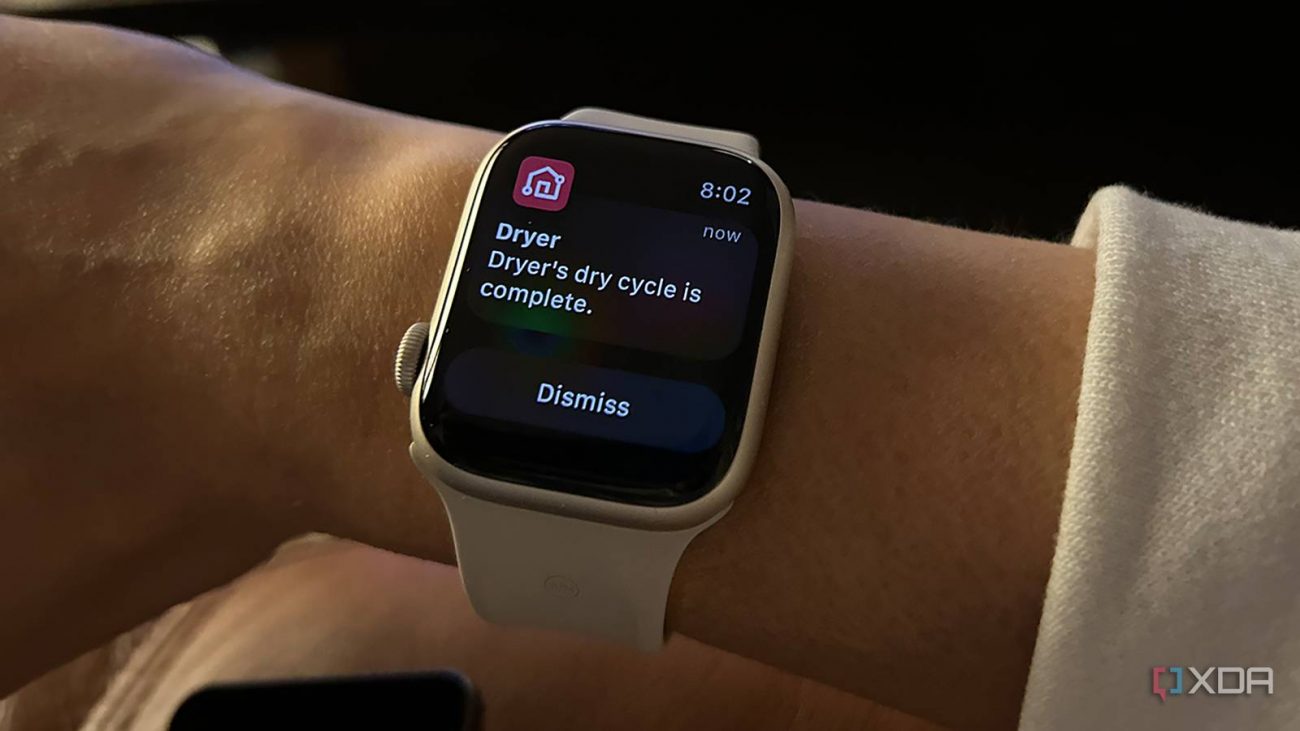
Just because you’re using seemingly dumb technologiesdoesn’t mean you can’t still take advantage of smart scaffolding to automate these devices as you would if they were smart. Instead of relying on a proprietary app to tell you when an appliance is running, you can use a standard local-first power monitoring plug. By tracking the raw current spikes and voltage drops of a standard washing machine, your local automation core can deduce state metrics such as idle, washing, spinning, or complete with absolute accuracy, bypassing the need for a manufacturer-hosted API.
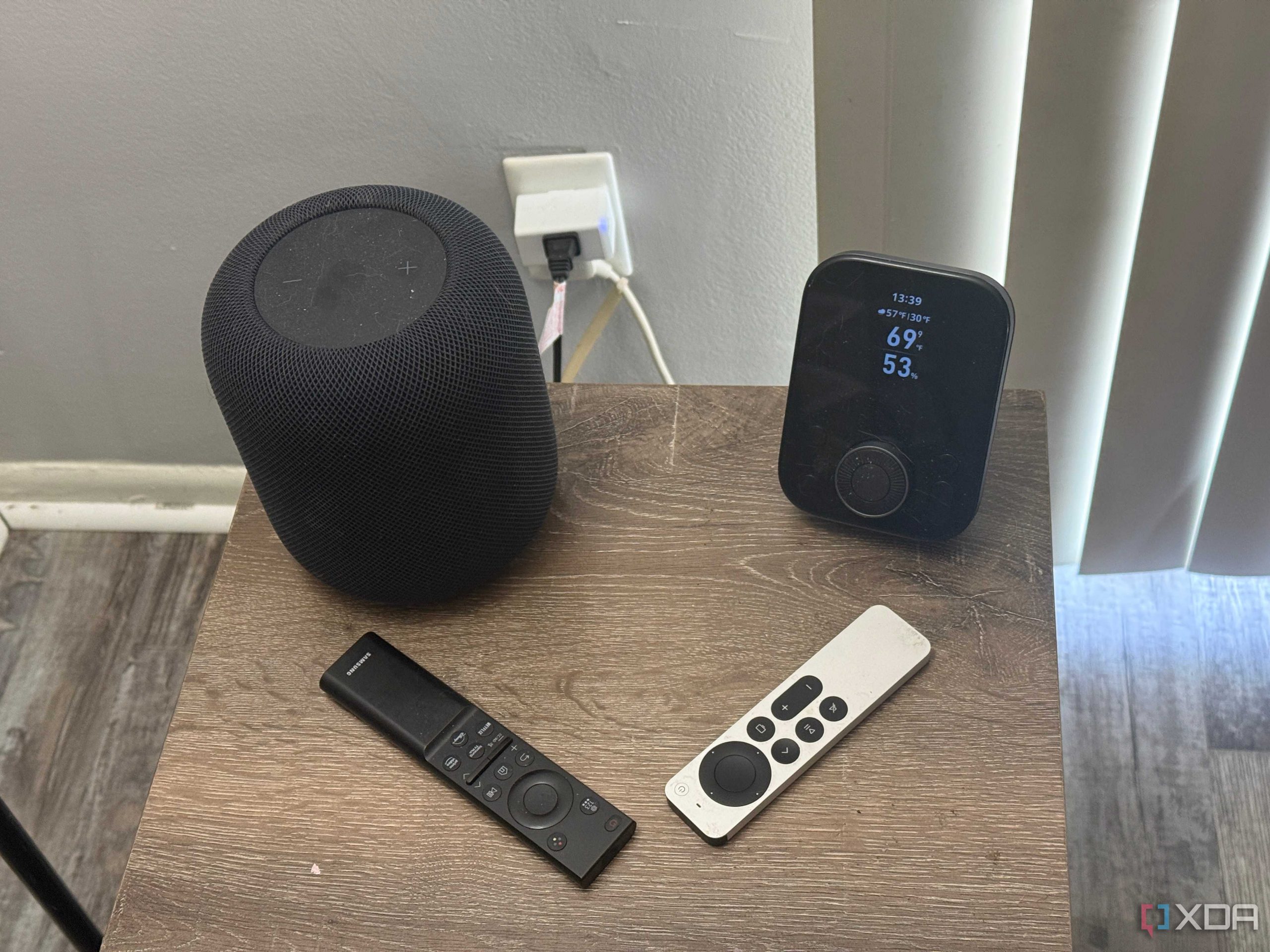
Leveraging actuator autonomy is also a great way to turn standard appliances into smart ones. Physical overlays like switch bots, smart wall relays hidden inside junction boxes, and universal IR/RF blasters are fantastic as they treat the appliance as an immutable physical utility. A switch bot pressing a coffee machine’s physical power button or a hidden inline relay toggling current to a dumb LED fixture leaves the machine’s internal electronics completely stock, preserving its native warranty and baseline operational logic.
This also makes maintenance significantly easier, as decoupling the smart home elements makes hardware repairs much simpler. If an inline smart relay or plug fails, it’s a cheap, five-minute module replacement. If a native smart refrigerator’s integrated mainboard fries or loses its Wi-Fi handshake, it might come down to replacing the entire unit.
Alongside these benefits, by sticking to dumb appliances and using a local-first topology, you get a range of other security benefits. There’s a massive local network performance advantage to going for the retrofitted approach.
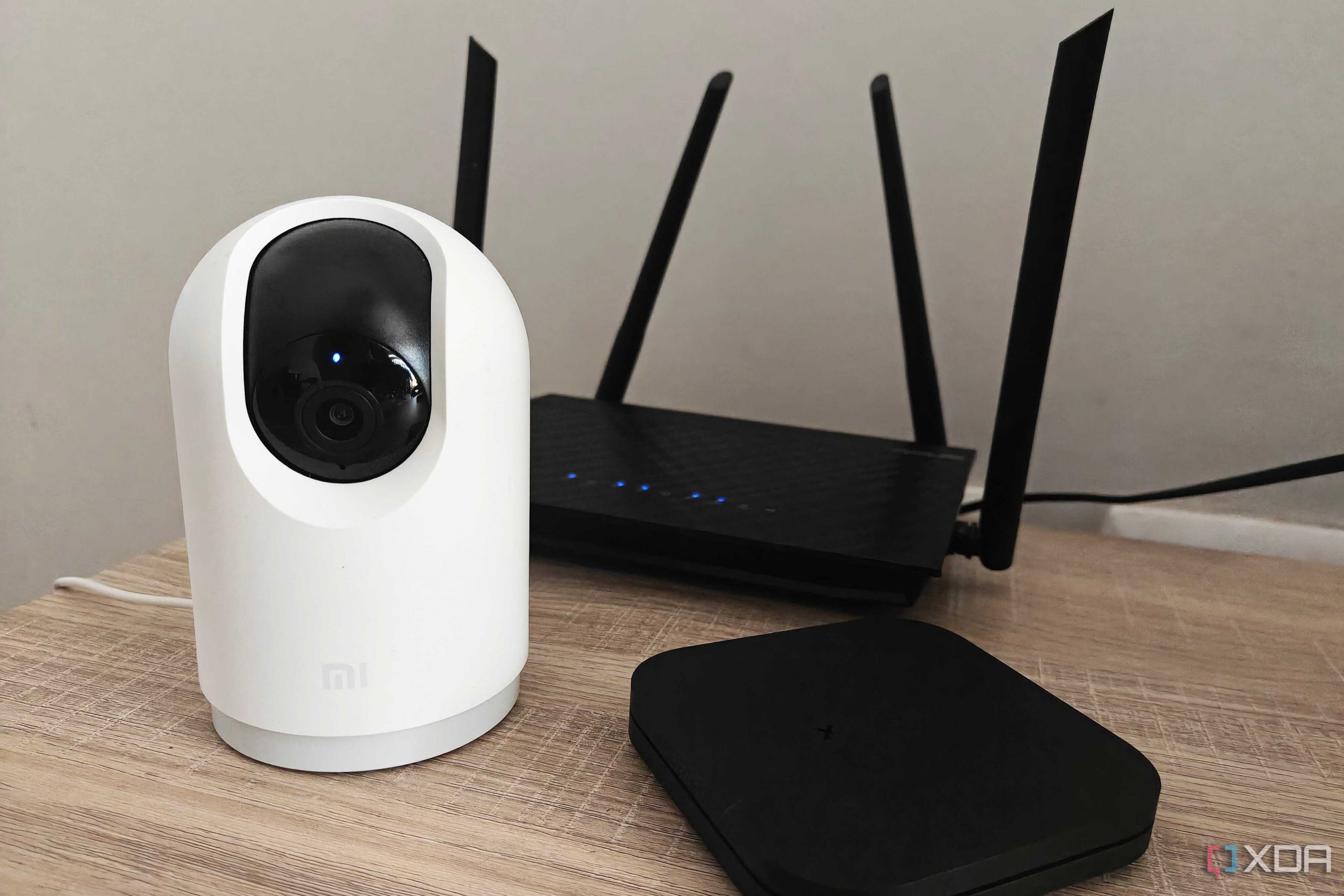
Flooding a home router with 30 individual native smart appliances, each demanding a dedicated IP address, broadcasting cloud telemetry packets, and maintaining persistent TCP connections can exhaust your router’s RAM and cause systemic buffer bloat. You might think that your Wi-Fi is out when, in reality, your router is just struggling under the load.
By utilizing non-IP wireless protocols like a localized Zigbee or Thread mesh for your smart plugs, relays, and sensors, the entire smart home footprint can be concentrated onto a single local coordinator bridge. The appliance layer remains completely silent, invisible, and barred from broadcasting data outside your physical walls.
A Wi-Fi-connected smart oven or security camera is an active lateral entry point for malicious network exploitation, especially if the manufacturer fails to patch a firmware vulnerability. A dumb appliance turned off or even on via an external physical smart relay exposes minimal network surface area, keeping your local LAN secure, too.
Rebuilding a smart home from scratch makes you rethink practically everything, and suddenly you realize that not every single item in your home needs to be smart. True domestic automation isn’t about teaching your toaster how to think. It’s about building a reliable, low-maintenance framework around appliances that already know how to do their jobs perfectly and last you years on end.
In turn, by using dumb appliances, you’re also protecting your home’s infrastructure from the fragility of corporate cloud life cycles. There’s a seemingly unkillable reliability of mechanical dumb engineering. Utilize this with a layer of localized smart additions, and you still get all the benefits of automation with your long-lasting appliances.