The topic Amazon’s Starlink rival is set to launch satellite internet later this year is currently the subject of lively discussion — readers and analysts are keeping a close eye on developments.
This is taking place in a dynamic environment: companies’ decisions and competitors’ reactions can quickly change the picture.

Amazon’s long-awaited answer to SpaceX’s Starlink is finally nearing liftoff. according to the data an exclusive report from Reuters, the company plans to begin offering its Leo satellite internet service later this year, after its latest rocket launch pushed the constellation to 394 satellites in orbit.
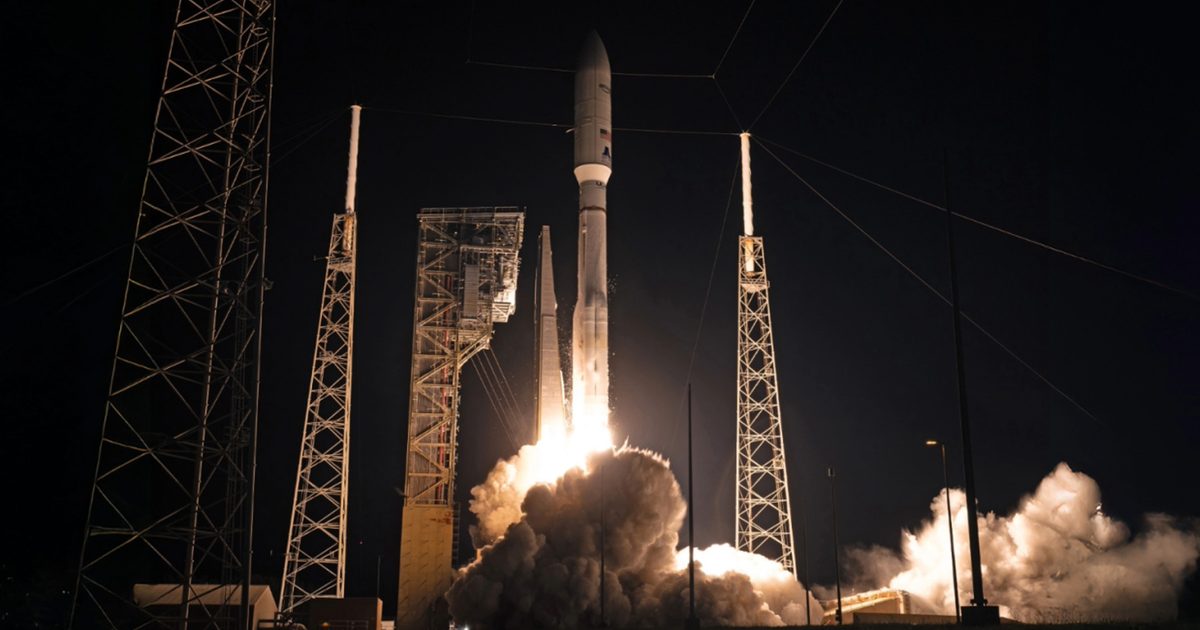
The milestone came after Amazon’s latest mission deployed 29 additional satellites aboard a United Launch Alliance (ULA) Atlas V rocket. according to the data Chris Weber, vice president of Amazon Leo (formerly known as Project Kuiper), there’s still work to do before the satellites reach their final operating positions. Still, Amazon has now completed enough launches to begin its initial rollout this year.
Last few launches were big for @AmazonLeo – bringing us to 390+ satellites deployed, enough to support continuous service across initial latitudes.Still lots of work ahead – including raising all these new satellites to their assigned altitude – but we’ve completed enough… pic.twitter.com/UZb404fXRq
Amazon hasn’t revealed which countries or regions will receive service first. However, Reuters reports that coverage is expected to begin near the Earth’s north and south poles before gradually expanding toward the equator as more satellites are added to the network. Eventually, Leo aims to deploy more than 3,200 satellites to provide global broadband coverage.
Unlike traditional satellite internet services that rely on a handful of satellites positioned far above Earth, Low Earth Orbit (LEO) constellations place thousands of satellites much closer to the planet. That significantly reduces latency while improving speeds, making the technologies far more practical for everything from streaming and video calls to online gaming and remote work.
That’s exactly the market Amazon wants to tap into. Like Starlink, the company plans to sell internet service to households using dedicated user terminals, while also targeting businesses, governments, and industries such as airlines. With Starlink already operating roughly 10,000 satellites, Amazon still has plenty of catching up to do. But having another major player enter the LEO internet race could ultimately mean more competition, better coverage, and potentially lower prices for customers in the years ahead.