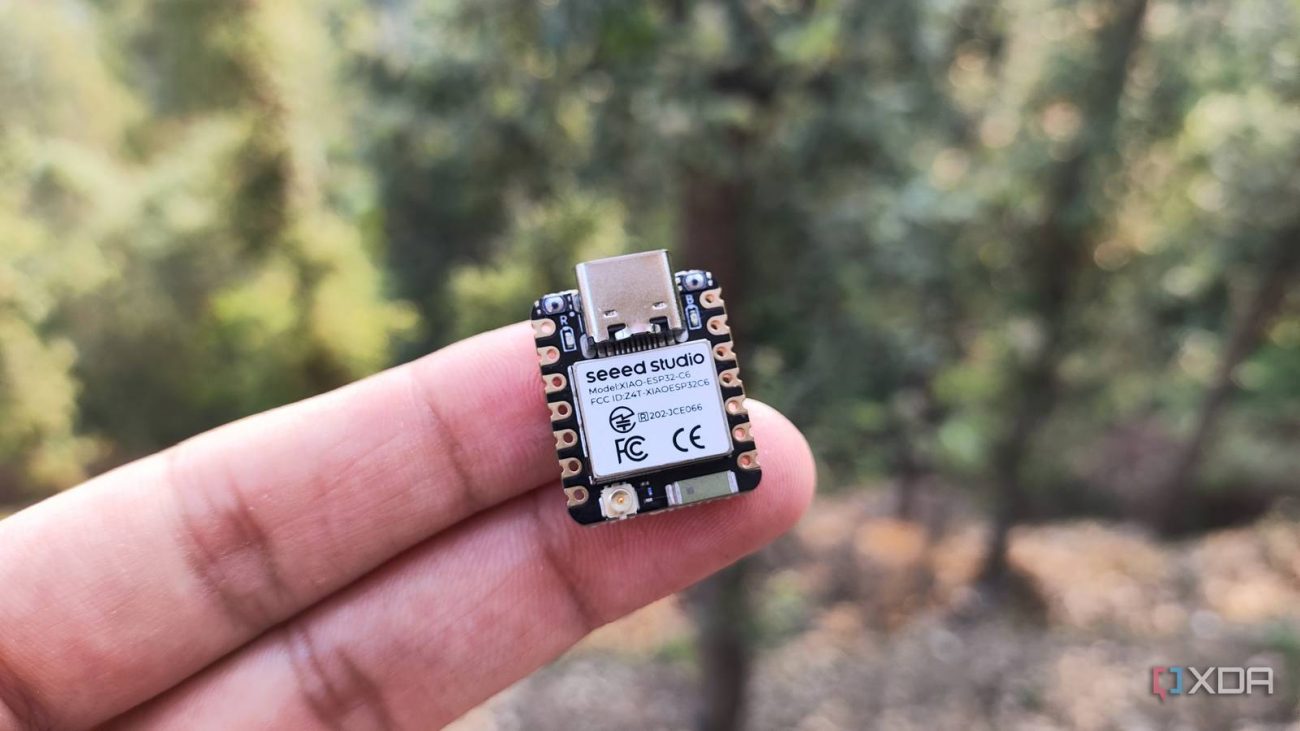
The topic Someone built a BIOS for the ESP32-C6, bringing a PC-like architecture to the $2 chip is currently the subject of lively discussion — readers and analysts are keeping a close eye on developments.
This is taking place in a dynamic environment: companies’ decisions and competitors’ reactions can quickly change the picture.
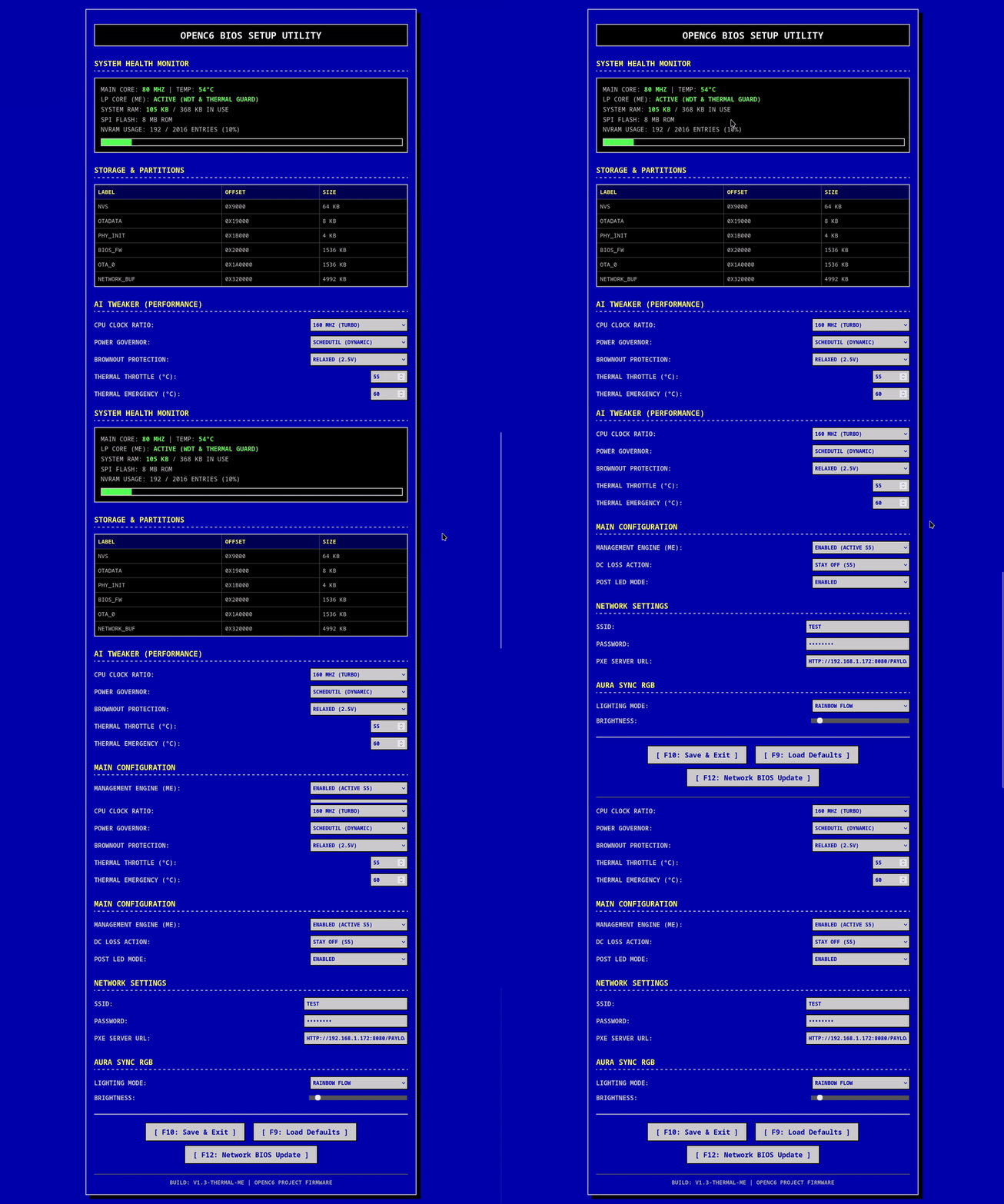
Long before UEFI came along, PCs used to use a BIOS to get everything set up. It took quite a bit longer to get the job done, but seeing the old BIOS screens brings back memories of diving into an older PC and tweaking settings to better control the hardware. If you long for those days, someone has managed to design a BIOS for the ESP32-C6 chip, and while it’s not entirely feature-complete just yet, it’s still really cool.
As spotted by Hackaday, this cool feat was performed by Rompass over on GitHub. It’s called the OpenC6 BIOS, and its main goal is to bring a BIOS to ESP32-C6 chips. It’s fully open-source and allows your ESP32 to run a “PC/Server-like architecture” on a $2 chip. Sounds good to me.
Instead of monolithic firmwares, OpenC6 acts as a host platform. It initializes the hardware, provides out-of-band management via an independent LP-Core coprocessor, and exposes a standardized system Call Interface (ABI). This allows you to hot-swap, download, and execute tiny, lightning-fast bare-metal Payloads directly into RAM or Execute-In-Place (XIP) Flash.
It’s not quite the same BIOS as you’ll find on a PC; however, it will allow you to run modules off the RAM instead of from the OS’s kernel, and gives you more customization with your chip.
The GitHub page has all the code and setup instructions, so if you want to give it a go, grab it from the link above. It is worth noting that this project isn’t complete just yet; in fact, Rompass posted a bounty board for features they’d like to see, including a completely open-source file system and a security measure to prevent corrupted executions from firing.