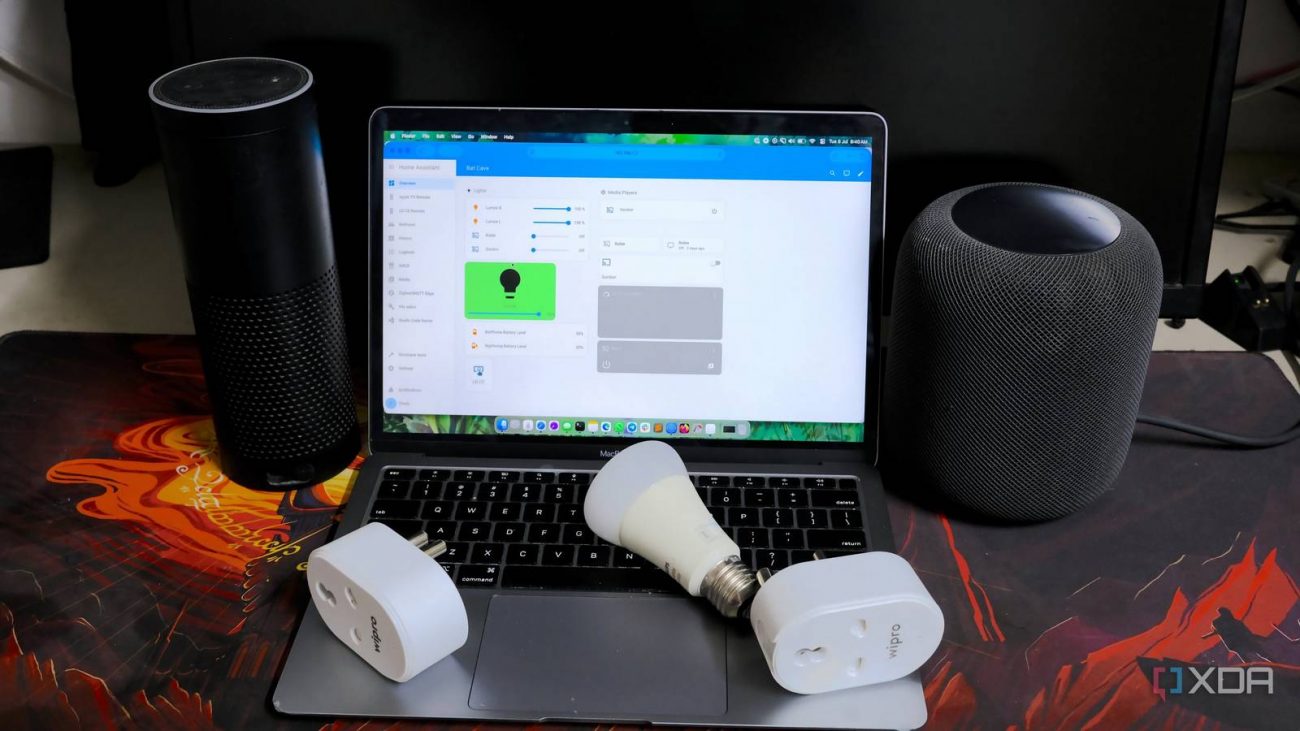
The topic Home Assistant’s May update finally makes Alexa devices worth integrating, but… is currently the subject of lively discussion — readers and analysts are keeping a close eye on developments.
This is taking place in a dynamic environment: companies’ decisions and competitors’ reactions can quickly change the picture.
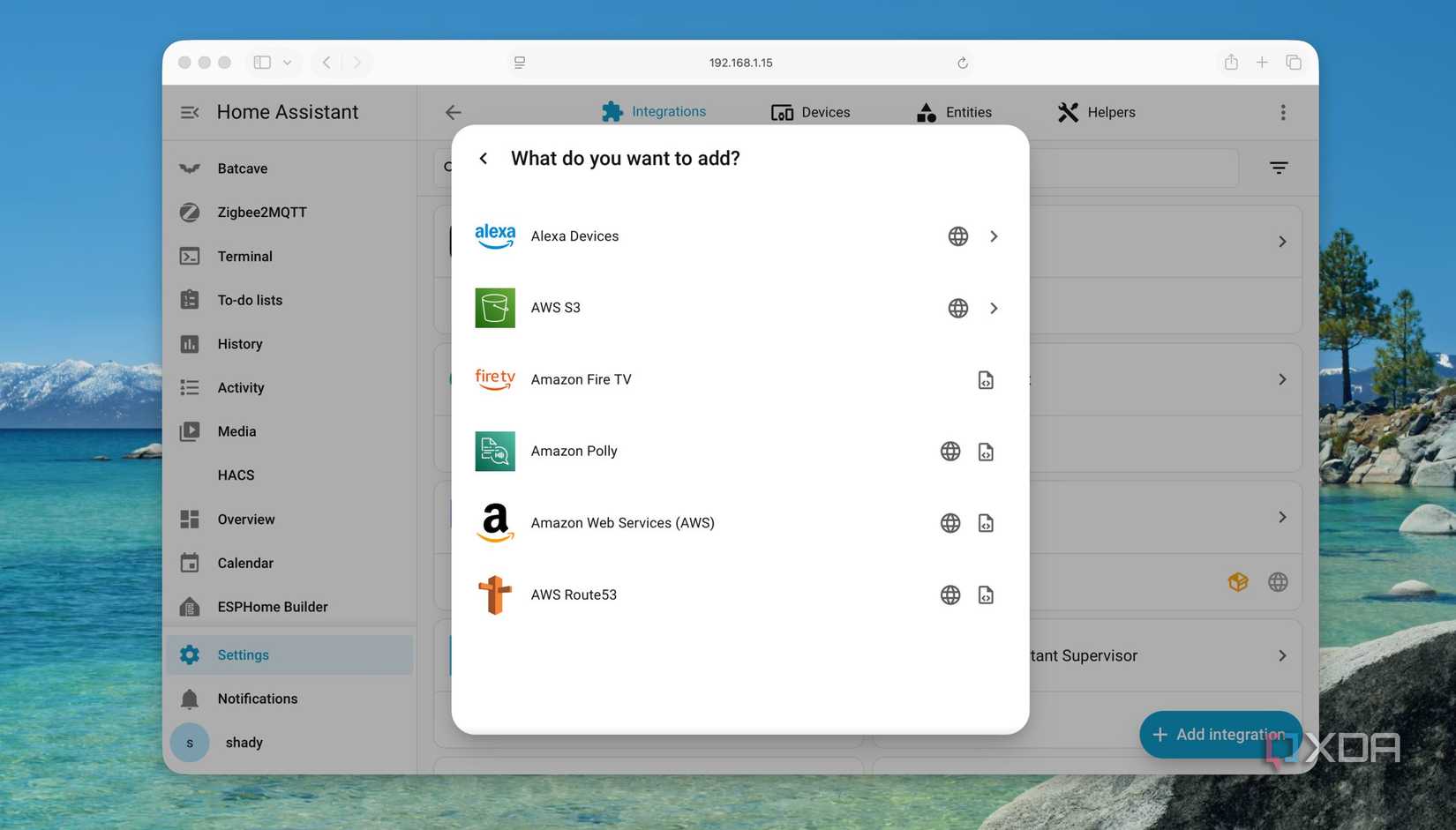
Ever tried integrating Amazon’s Alexa devices into Home Assistant? You already know the pain — the integration was always a hit-or-miss gamble requiring Amazon Skills authentication hoops.
Home Assistant’s May update finally fixes that — sort of. The new Alexa Devices integration sounds like great news on the surface. However, it still depends on Amazon’s cloud API and doesn’t offer the local control you’d hope for. That said, the reality is more nuanced and actually useful if you already run Home Assistant.
The process wasn’t the smoothest, but it’s much better than Alexa.
Before you scroll past, you need to know: Home Assistant’s new Alexa Devices integration uses Cloud Polling. Every Home Assistant command still routes through Amazon’s servers. Unfortunately, the Echo devices won’t be local-first devices yet. Whenever the internet goes down, you can’t control the Alexa-powered Amazon devices.
It’s not entirely about escaping Amazon or using their devices locally anymore. You can manage your Alexa devices through Home Assistant in a way that actually works. Previous integrations were flaky because they relied on inconsistent workarounds to patch Amazon’s API. The latest Alexa devices integration acknowledges the dependency on cloud servers upfront.
Home Assistant now treats this cloud dependency as a feature and not a bug. The integration is built around the reality of cloud polling instead of fighting Amazon’s API with unreliable workarounds. That honesty actually makes it more stable than anything that came before it.
The new updated integration lets Home Assistant pull the device states reliably and send commands without troubleshooting the Amazon Skills or wrestling with the Alexa app’s interface. Now you can craft real automations without worrying about any skills or apps.
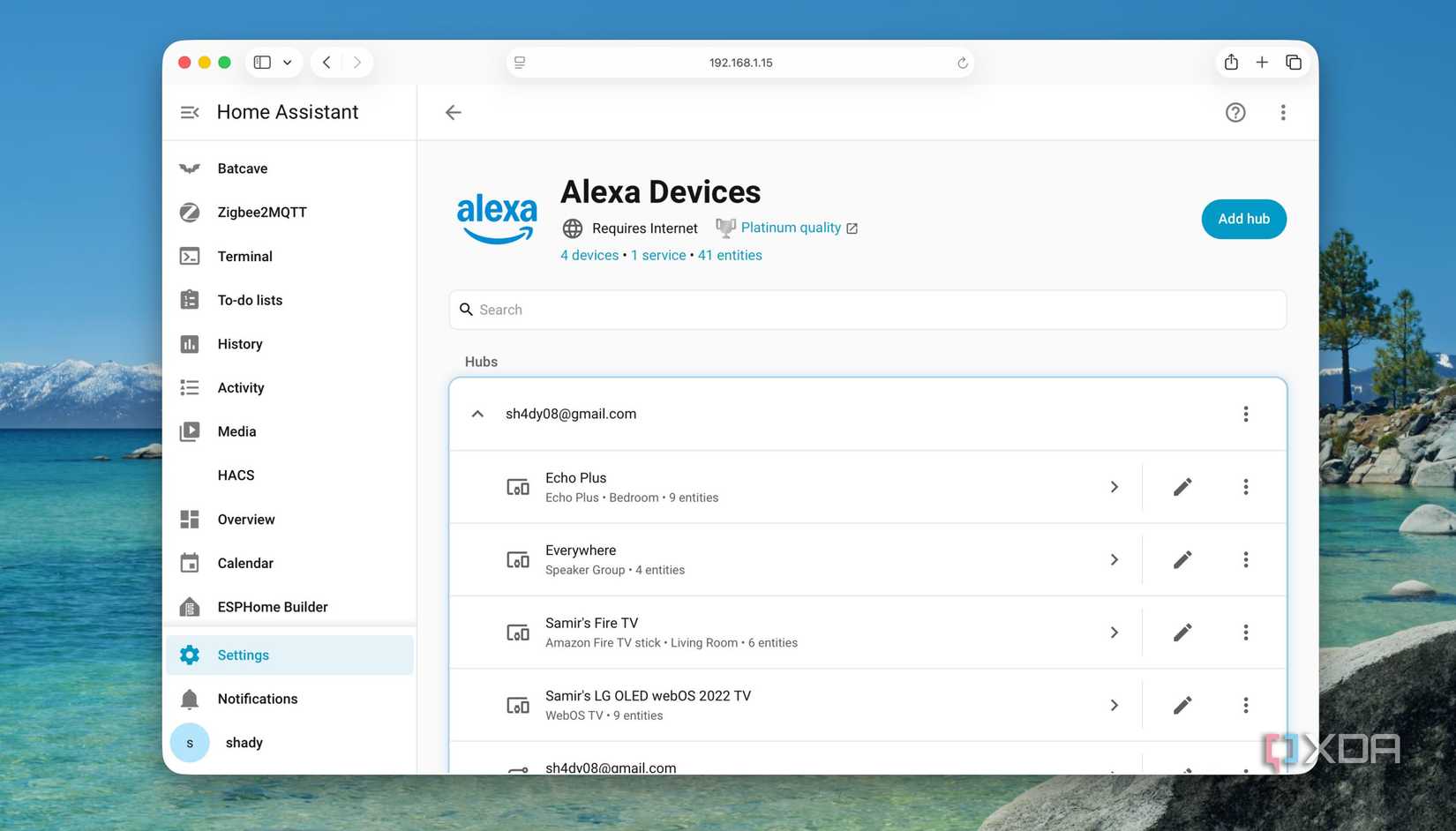
The improved integration exposes the Alexa devices as native Home Assistant entities. That’s what makes it easier to craft automations. The new entities let you send voice messages directly to the Echo devices.
The Alexa Devices integration exposes Speak and Announce entities for each Alexa device. In automation, you can send TTS messages directly to specific devices without adding bloat to your setup with the Alexa Media Player integration.
These notify entities become available automatically and integrate seamlessly with Home Assistant’s notification system, providing native integrations.
You get volume control, Do Not Disturb, and device-specific actions. The binary sensors and sensor platform expose the device’s data as readable entities, such as temperature, connectivity status, and other device states.
for example, any motion detected in the backyard triggers a scene that turns on the light in other rooms. You can set the Echo Plus to announce “Motion Detected” as part of the same automation. You can also send custom texts that every Echo speaker will read out loud as announcements.
Several options are still missing: Timer, Reminder, and Alarm information. Media player controls are also not available. On top of that, you still can’t access the Zigbee radio on Echo Plus devices.
Amazon released the Echo Plus models with a built-in Zigbee hub. However, that processing power wasn’t harnessed, and those models became large, expensive speakers that couldn’t do much.
The new Alexa Devices integration doesn’t unlock the Echo Plus’s Zigbee radio. Instead, it transforms the device into a controllable automation node and a centralized announcer — useful for local automations, but not the local control the hardware originally promised.
In practice, this means your Alexa device can coordinate announcements across scenes. It can even respond to home events with voice feedback and act as a hub for voice-based status updates. It’s an upgrade for a hub that was otherwise just a speaker.
You can ditch the Alexa Media Player integration, which is a serious drag on Home Assistant’s startup time. Switching to the native Alexa Devices integration eliminates startup delays.
Home Assistant automations let you escape the Alexa app entirely so that you don’t struggle with Amazon’s interface. The TTS and announcements work cleanly through the notify entities. Of course, it’s entirely up to you whether to turn the Echo into just another device in the smart home stack.
Here’s the reality: if privacy is your main concern, the update doesn’t deliver. Your device states and commands still transit through Amazon’s servers. The company continues to gather data on your Echo usage.
You can’t avoid MFA through Amazon account logins. Since the default polling rate is every 5 minutes, Amazon aggressively rate-limits API calls. You’ll experience errors if you increase the polling frequency.
If you disable polling, sensor updates will stop, which defeats the purpose. The reliability drops to frustrating levels if you hit rate limits. Don’t try to bring down the polling time to 30 seconds. Otherwise, Amazon will start throttling your speeds due to your issues.
The sweet spot is the default 5-minute interval. If you need faster updates, increase the device polling selectively rather than applying it to all devices. That way you won’t hit Amazon’s hard limits.
Home Assistant is the best unified platfom for your smart devices.
This is a genuine improvement for home labbers running Home Assistant. Your Alexa devices integrate with your broader smart home logic rather than being separate entities. Entity names can be verbose (like notify.bedroom_echo_plus_announce), so plan your naming convention first.
The real game-changer would be direct local access to the Echo Plus’s Zigbee radio. Until then, the Home Assistant May update is a practical improvement. It’s enough to finally make hardware you already paid for actually useful to your smart home setup.