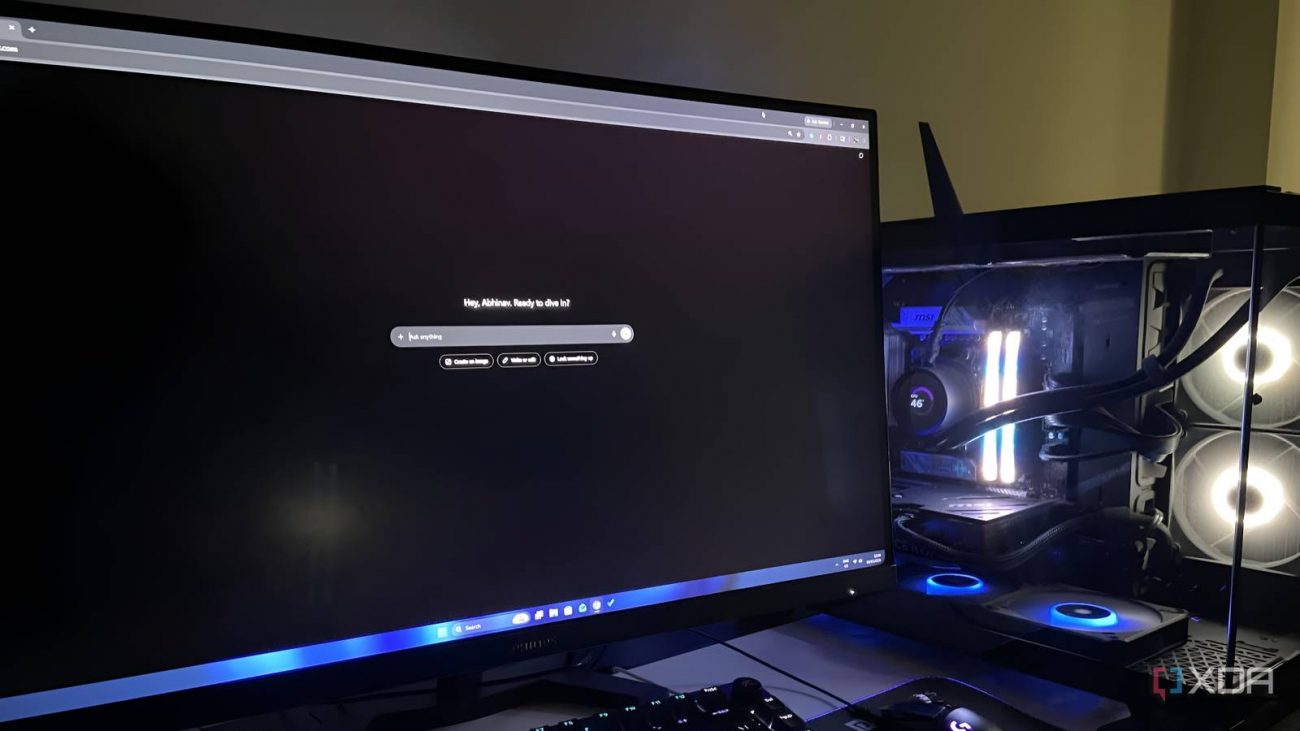
The topic ChatGPT can now remember you better by dreaming about you while it ‘sleeps’ is currently the subject of lively discussion — readers and analysts are keeping a close eye on developments.
This is taking place in a dynamic environment: companies’ decisions and competitors’ reactions can quickly change the picture.
It’s near-impossible to guess where the world of AI LLMs will go next. With technologies advancing rapidly, we’re seeing companies try all sorts of things to create a product that outdoes its rivals.
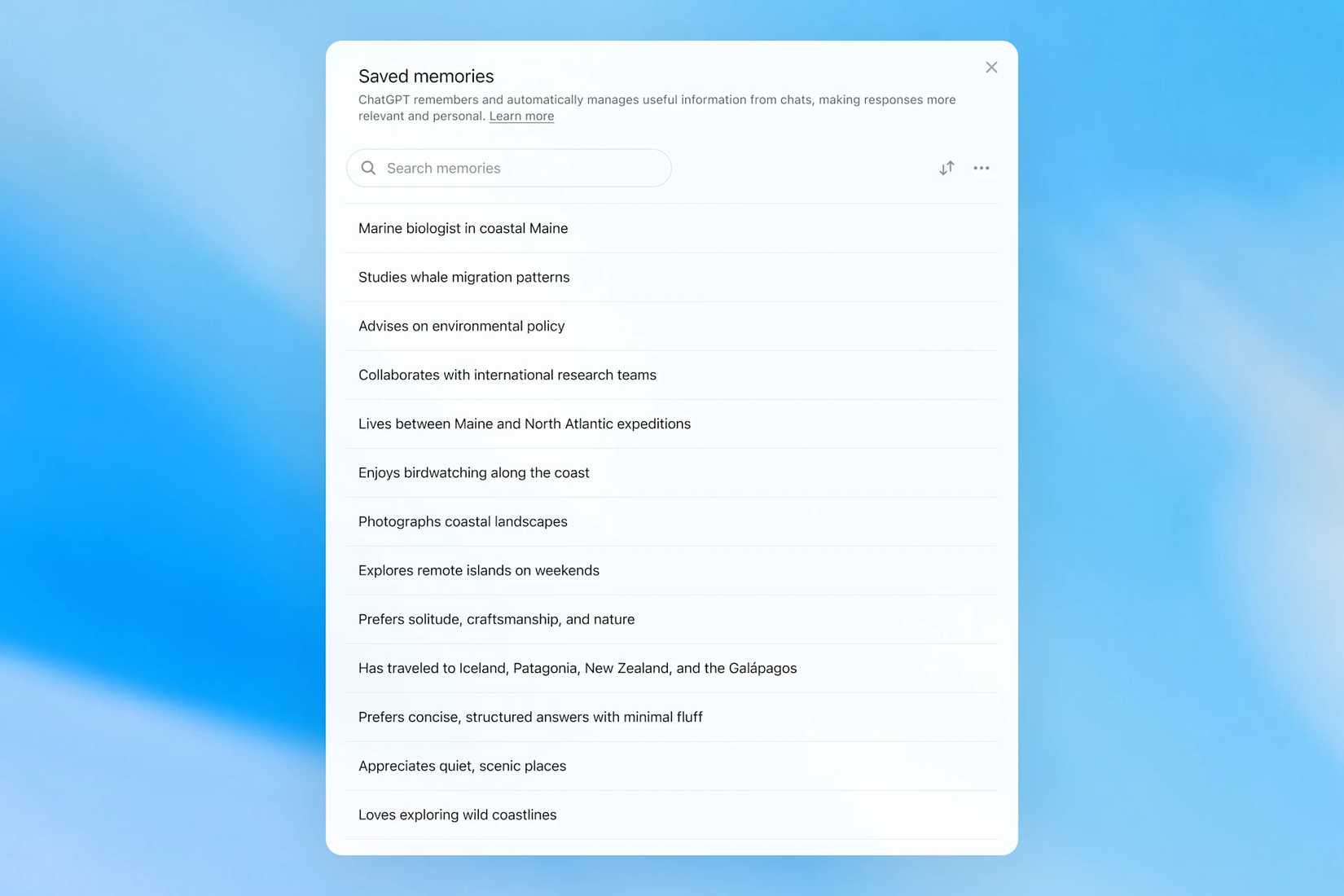
For a while, AI developers advertised their models as reliable workers that are always on, but recently, we’ve seen some companies announce that, actually, it’s best if AI models ‘went to sleep’ on occasion and ‘dreamt’ to keep their knowledge in check. Now, OpenAI has announced that ChatGPT will dream about you to better learn about you.
On OpenAI’s blog, the company announced changes to ChatGPT’s memory feature. The biggest change here allows the AI to ‘dream,’ a state in the LLM world where the agent puts down its work and goes through all past chats, noting where it went wrong and where it got things right. Once it has the details nailed down, it notes everything it learned, delivering a better experience for the user.
ChatGPT could dream since 2025, but with this latest update, OpenAI is making the AI remember more information about you and your lifestyle:
When you start a new chat with ChatGPT, you don’t have to introduce yourself from scratch. ChatGPT can save you time and build on prior context, especially for complex, long-running projects.
for example, imagine you’re using ChatGPT to shop for new camera gear that’s compatible with your current camera. If you’ve discussed your camera setup with ChatGPT in the past, you can ask for products that are compatible with “my photography setup” and get tailored recommendations that meet your needs.
ChatGPT will achieve this by reviewing all the chats you’ve had with it, extracting the important parts (such as information, preferences, and constraints), and comparing them over time to get a sense of where you are right now. For instance, if you’ve used ChatGPT to plan a holiday, it’ll know when you’ve taken said holiday and will stop bringing up your prep plans during chats.
On top of all that, you can now pop into ChatGPT’s summary after it’s finished dreaming and tweak things that may have been misremembered. Overall, OpenAI claims that the new feature bumps ChatGPT’s factual recall successes to 82.8%, up from 41.5% in 2024. The feature is rolling out to all users, including the Free tier, right now.