The topic Amazon says it isn’t making another phone, after burning itself with the Fire Phone is currently the subject of lively discussion — readers and analysts are keeping a close eye on developments.
This is taking place in a dynamic environment: companies’ decisions and competitors’ reactions can quickly change the picture.
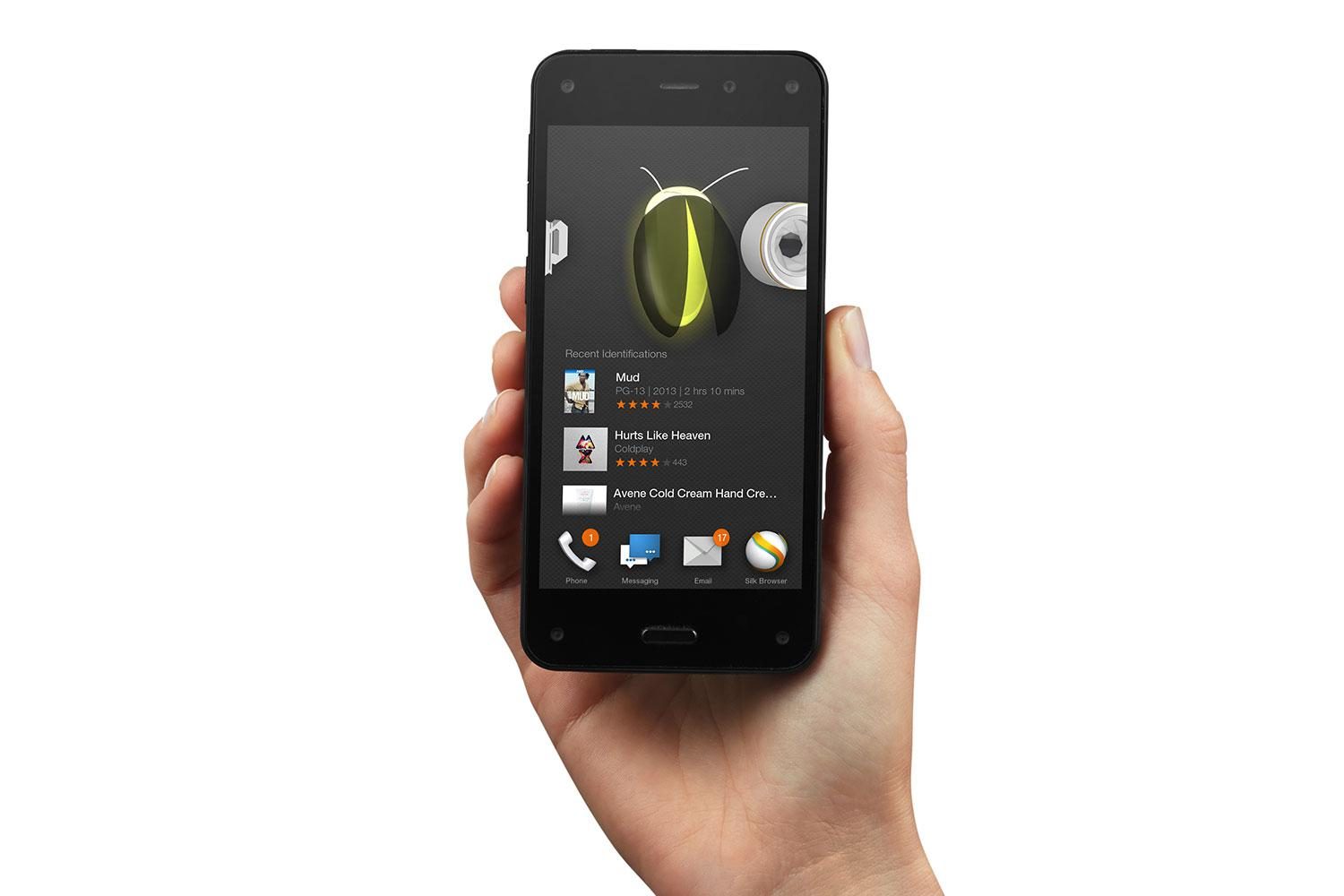
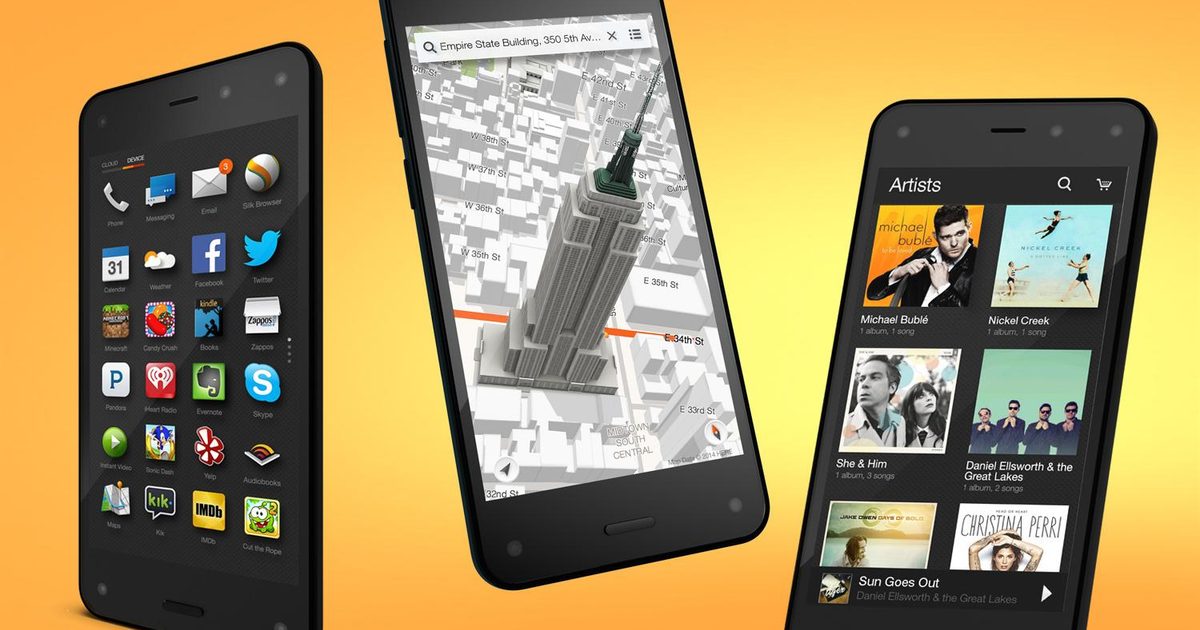
Amazon’s Fire Phone was a spectacular failure that marred the e-commerce giant’s hardware attempt. More than a decade later, Amazon appears to be eyeing the mobile segment again with an AI twist. But it may not be preparing a straightforward smartphone sequel.
In a Financial Times interview, Amazon devices chief Panos Panay says that the company has no plans to simply try to build another phone. Panay said Amazon is “not necessarily going after phone,” while acknowledging that mobile technologies is changing and that new AI-powered form factors could blur the usual lines around what counts as a phone.
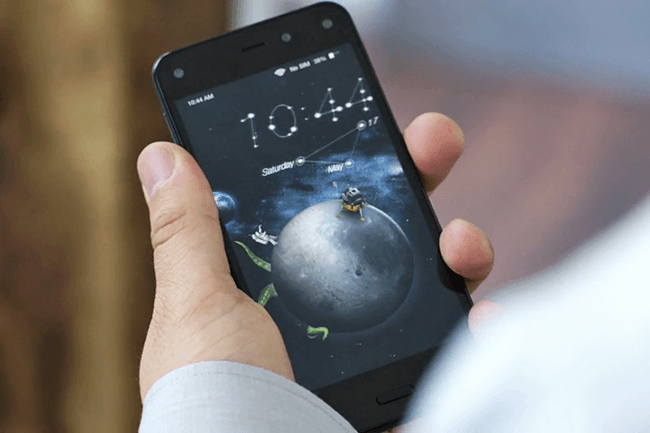
It isn’t surprising that Amazon is still cautious about stepping into smartphones again. Amazon’s original Fire Phone launched in 2014 and was discontinued in 2015 after failing to seriously challenge Apple or Android rivals. The device became a case study in what happens when a company with a powerful ecosystem misreads the smartphone market.
The Fire Phone was not cheap enough to be an easy impulse buy, did not have the app ecosystem to rival Android or iOS, and leaned on features that did not give buyers a strong reason to switch. So when Reuters reported in March that Amazon was working on a new mobile device codenamed Transformer, the obvious question was whether the company was walking back into the same trap. The report describes a project focused on AI integration, Alexa features, and mobile personalization led by Amazon’s ZeroOne group.
Panay hasn’t denied that Amazon is thinking about mobile hardware. But where he drew the line was between building a traditional smartphone and building an AI-first device that happens to be a mobile. A normal Amazon phone would have to compete directly with iPhones, Pixels, and Galaxy devices, which is a brutal market even for companies that know phones inside out. So an AI device built around Alexa+, shopping convenience, integrated smart home controls, and other Amazon services will likely be its USP.